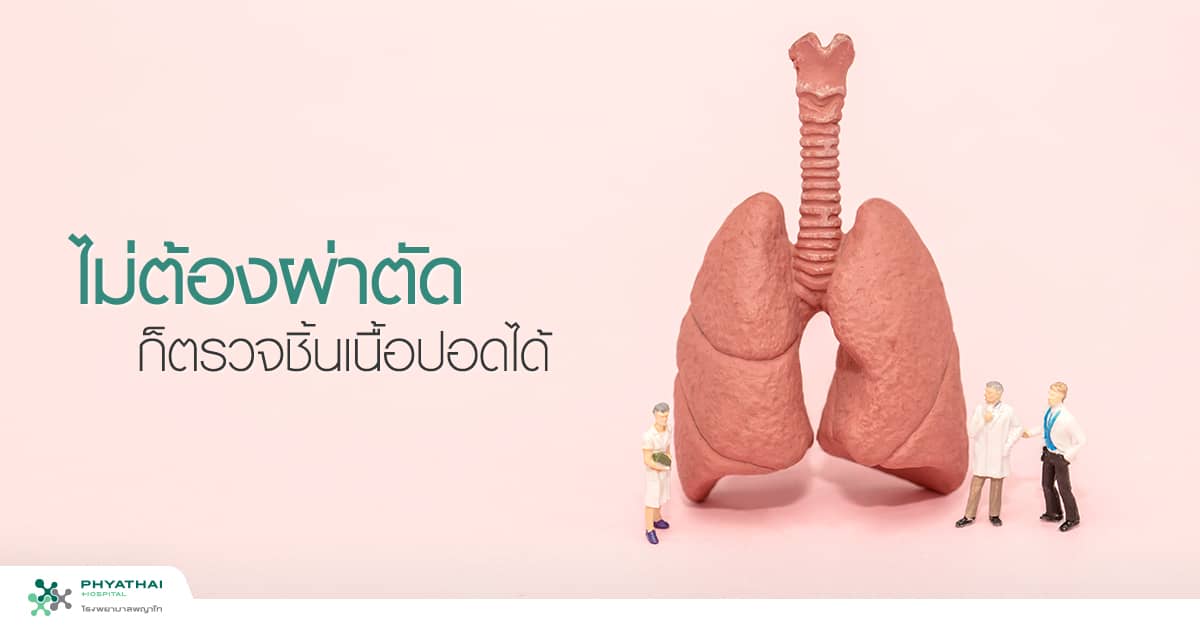
In the past, to determine the cause of a lung mass, surgery was commonly used to remove the mass. The advantage was that doctors could diagnose and treat in a single operation. However, this type of surgery is a major procedure requiring general anesthesia, causing patients to have a long recovery time and potentially losing lung tissue unnecessarily.
Currently, both methods and tools have been developed to identify the cause of a lung mass without major surgery by using bronchoscopy. This helps patients avoid long recovery times and reduces side effects that may occur from surgery. It is a procedure that provides accurate and safe diagnosis for patients.
Bronchoscopy Procedure
Bronchoscopy is mostly performed in a supine position. Before the bronchoscopy, the patient will receive a local anesthetic spray in the nose and throat. Then, the doctor will insert the bronchoscope through one nostril or the mouth, passing through the throat and vocal cords into the bronchus. During the procedure, the patient may feel some discomfort, and the doctor will intermittently spray anesthetic through the scope into the bronchus, which may cause coughing or slight choking. The patient can breathe normally throughout.
During bronchoscopy, the patient’s blood pressure, pulse, and blood oxygen levels will be continuously monitored for safety. In some cases, intravenous sedatives may be given before the procedure to help the patient relax. The doctor will take a small tissue sample for detailed pathological examination to determine the type of tissue and plan targeted treatment.
Possible Complications
After bronchoscopy, the patient may experience a sore throat or slight blood-tinged sputum or cough, which usually resolves on its own. However, some patients may have bleeding after biopsy, pneumothorax (air leak in the pleural cavity), low blood oxygen levels, or arrhythmia. These complications depend on the individual patient’s condition. Patients will be closely monitored and scheduled for follow-up to review test results and plan further treatment.
How to Prepare Before Undergoing “Bronchoscopy”
- Do not eat or drink anything after midnight before the day of bronchoscopy, or at least 8 hours before the procedure.
- Clean your mouth and teeth thoroughly.
- Inform the doctor about any medications you are taking, as some medications need to be stopped before bronchoscopy.
- Bring one relative with you on the day of the procedure.
- Stop taking blood thinners one week before the bronchoscopy.
How to Care for Yourself After Bronchoscopy of the Bronchi and Lungs
- After bronchoscopy, the patient should rest and be observed at the hospital for about 1-2 hours or stay overnight for observation (depending on the case).
- Avoid eating and drinking for about 1–2 hours or until the anesthetic wears off
to prevent choking. - Monitor your symptoms. If you have heavy bleeding with sputum or cough with a large amount of blood, dizziness, shortness of breath, or chest tightness, seek medical attention immediately.
Dr. Winai Boveja
Head of Lung Health Center
Pulmonologist and
Critical Respiratory Care Specialist, Phyathai 3 Hospital
02-467-1111 ext. 3185 – 3186
Make an Appointment
