What is a colostomy?
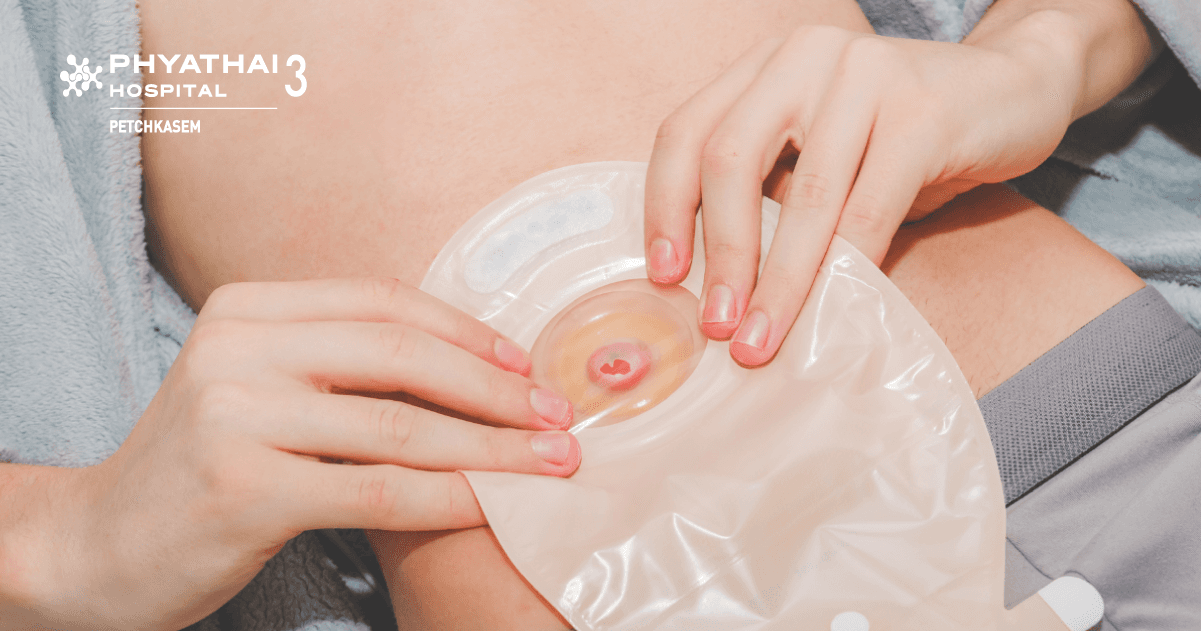
A colostomy is an opening in the belly made by a doctor as a way for bowel movements to leave the body. To make a colostomy, The doctor will perform a procedure to make a small opening in your belly. Then he or she will connect your large intestine to this opening.
A colostomy is sometimes called a “stoma,” which is a medical word that means “opening.” After a colostomy is made, your bowel movements will come out through the stoma into a bag that is attached to your skin.
What will my bowel movements be like with a colostomy?
You will probably have about 4 to 8 bowel movements a day. Your bowel movements might be looser than they used to be (not as solid).
How do I manage my colostomy?
A special nurse (called an ostomy nurse) will teach you how to manage your colostomy. He or she will teach you:
- When and how to empty the bag that collects your bowel movements
- When and how to put on a new bag to collect your bowel movements
- How to check your stoma for problems
There are different types of colostomy bags that people can use. With some types of bags, you empty, clean, and reuse them. With other types, you throw them out after each use.
Some people worry that their bag will leak or that other people will be able to smell their bowel movements. But this is not common. The bags are made so that they do not leak or smell.
If you have a certain type of colostomy, you might be able to manage it with a process called “irrigation.” This is a way to make your bowel movements regular. It involves squirting water into your stoma on a regular basis to cause a bowel movement to happen.
What problems can happen with a colostomy?
Different problems can happen with a colostomy, either right away or years later. Let your doctor or nurse know if you have any of the following symptoms or problems:
- Your stoma is swollen or larger than usual.
- Your stoma is smaller than usual.
- Your stoma leaks more than usual.
- You have a rash or sores around your stoma.
- The inside of the stoma sticks out through the opening.
- You notice a bulge under the stoma or next to it.
- You have diarrhea.
- You have sudden belly pain, cramps, or nausea.
- You are dehydrated. Dehydration is when the body loses too much water. Symptoms of dehydration include not making as much urine, having dark yellow urine, or feeling thirsty, tired, dizzy, or confused.
- You haven’t had any gas or bowel movements for 4 to 6 hours (during the day). These symptoms could mean that your stoma is blocked.
Do I need to follow a special diet?
Probably not. But you should avoid getting constipated. (Constipation means trouble having bowel movements.) To avoid constipation, you can:
- Eat foods that have a lot of fiber.
- Drink plenty of water and other fluids.
The foods you eat can affect the odor of your bowel movements and how solid or loose they are. Certain foods can also make you have more gas. The foods that can affect your bowel movements and gas are listed in the table.
What will my life be like with a colostomy?
You should be able to live an active and normal life with your colostomy. But many people worry about the following things:
- Clothes: You do not need to wear special clothes. Other people won’t be able to see your bag under your clothes.
- Baths and showers: You can take a bath or shower with or without your bag on.
- Sports: You will probably be able to play most sports. You might want to wear a special belt to protect your bag and keep it in place. Doctors usually recommend that people with a colostomy not play certain contact sports (such as football) or lift weights.
- Swimming: You can swim with your bag on. Make sure to empty your bag before you swim.
- Sex: You can have sex. But you might want to wear a special wrap to protect (and hide) your bag during sex.
- Travel: When you travel, be sure to bring extra supplies to manage your colostomy. If you fly, take your supplies in your carry-on luggage.
It is normal to feel sad, upset, or worried when you have a colostomy. If you have these feelings, try to get help. You can talk with a family member, friend, or counselor. You might also find it helpful to go to a support group for people who have a colostomy. to 2 days after surgery and eat solid foods soon after that. If your intestines take longer to heal, your doctor might need to give you extra nutrition through a vein in your arm until you can eat again.
What problems can happen after a colectomy?
Although uncommon, there are problems that can happen after a colectomy. They include:
- Bleeding in the belly
- Infection in the belly or other parts of the body
- Blockage of the remaining part of the colon or of the small intestine
- Leakage at the place where the intestine is reconnected
- Injury to the ureter (the tube that connects the kidney to the bladder), which is near the colon
