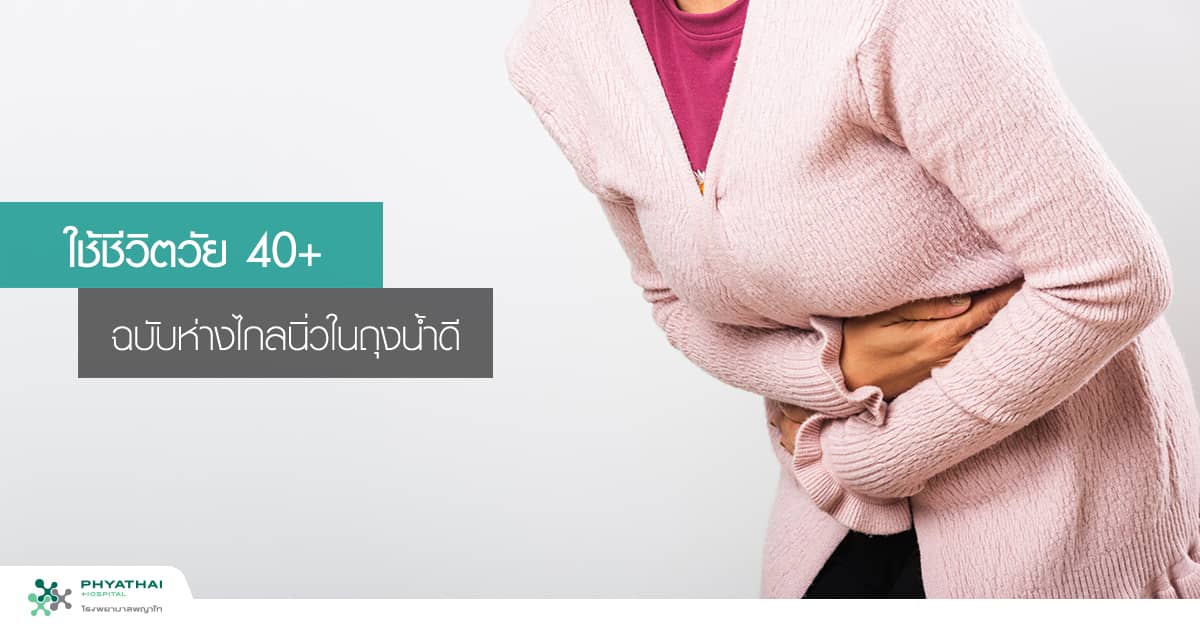
Being a woman comes with unique challenges, particularly due to the complex physiology that requires careful self-care. Women must remain vigilant about various health issues that can arise, particularly those that disproportionately affect them. Among these concerns is “gallstones,” a silent yet potentially life-threatening condition that occurs more frequently in women than in men, especially those over the age of 40.
To help women in their forties protect themselves from gallstones, it’s crucial to understand this condition and its implications.
Gallstones: A Condition Linked to Dietary Choices
Gallstones are hardened deposits that form in the gallbladder from accumulated waste products. There are two primary types of gallstones:
- Pigment Stones: These stones are formed from the precipitation of bilirubin, which is related to the pigmentation in our skin. They are more commonly found in individuals with darker skin tones, such as those with tan or yellow complexions.
- Cholesterol Stones: These are the most prevalent type of gallstones and result from the crystallization of excess cholesterol in bile. The modern diet, which often includes higher fat consumption, contributes significantly to the formation of these stones. When the body processes large amounts of fat, it increases the likelihood of suspended substances in bile settling and forming solid stones.
Gallstones: Misinterpreting Symptoms as Gastritis
Gallstones are often difficult to detect due to their variable symptoms; they can manifest in both symptomatic and asymptomatic forms. In cases where symptoms do occur, they may resemble those of gastritis, presenting as intermittent pain, discomfort, and a feeling of fullness in the abdomen, often unrelated to meals. Patients may also experience nausea and vomiting.
If inflammation occurs due to the irritation of the gallbladder by gallstones, symptoms may escalate to include fever and significant abdominal pain. Should a gallstone migrate to the bile duct, it can lead to jaundice, presenting as yellowing of the skin and eyes, similar to symptoms of cholestasis.
The severity of gallstone disease can potentially lead to fatal outcomes, particularly if a bloodstream infection occurs. Therefore, it is essential to be vigilant about any unusual symptoms and seek immediate medical attention from a specialist when abnormalities arise.
Who is Most at Risk for Gallstones?
Generally, individuals with poor dietary habits—such as frequent consumption of fried foods, high-fat items, and fast food—are at greater risk for developing gallstones. However, the demographic most at risk remains women over 40 who are overweight, often referred to as “Fat Female Forty.” This group experiences a decline in metabolic function, and pregnancy can exacerbate risks due to impaired bile flow, increasing the likelihood of gallstone formation.
Diagnosis and Treatment of Gallstones
Diagnosing gallstones begins with a thorough assessment of symptoms to differentiate them from gastritis, often requiring an endoscopic examination. Following this, an ultrasound is performed to assess the gallbladder wall and check for the presence of stones. If gallstones are found, particularly alongside thickening of the gallbladder wall and chronic abdominal pain, further treatment options will be considered.
The standard treatment for gallstones is surgical removal of the gallbladder. This is necessary because the gallbladder’s thin, paper-like structure makes it susceptible to rupture if treated with laser therapy to break down stones. Fortunately, even after gallbladder removal, the body continues to function normally, producing bile as needed. The primary change is the lack of a reserve for bile storage, which may lead to slower fat digestion, causing mild discomfort when consuming fatty foods. However, by moderating intake of high-fat and fried foods, individuals can maintain a healthy quality of life without significant issues.
How to Prevent Gallstones: Self-Care Tips
To reduce the risk of developing gallstones, consider the following self-care practices:
- Avoid Fast Foods and Fried Foods: Steer clear of high-fat foods to minimize fat accumulation in the body, which can lead to gallstone formation.
- Exercise Regularly: Engage in consistent physical activity to effectively burn fat and reduce the likelihood of fat deposits that may contribute to gallstone development.
- Avoid Extreme Dieting: Do not engage in excessive fasting or drastic weight loss measures, as these can disrupt the function of the gallbladder and increase the risk of gallstone formation.
- Seek Medical Attention for Prolonged Abdominal Pain: If you experience abnormal abdominal pain lasting more than 24 hours, especially if over-the-counter medications do not alleviate it, seek medical care immediately. Untreated pain due to gallstones can lead to inflammation and infection, posing serious health risks.
- Include Ultrasound in Annual Health Checkups: Regularly schedule abdominal ultrasounds during your yearly health assessments to check for gallstones, as many cases remain asymptomatic. Early detection allows for timely and appropriate treatment planning.
Gallstones are a silent threat that can be influenced by dietary habits. Women, particularly those over 40, are at significantly higher risk than men. Therefore, it is crucial to maintain a balanced diet and monitor your health closely. If you experience symptoms like abdominal pain, bloating, or discomfort resembling gastritis, do not dismiss them as trivial. Seek medical evaluation to ensure accurate diagnosis and treatment, minimizing the risk of complications such as infections.
Dr. Narasara Vittayapipat
Surgeon, Advanced Surgical Technology Center (ASIT)
Phayathai 3 Hospital
