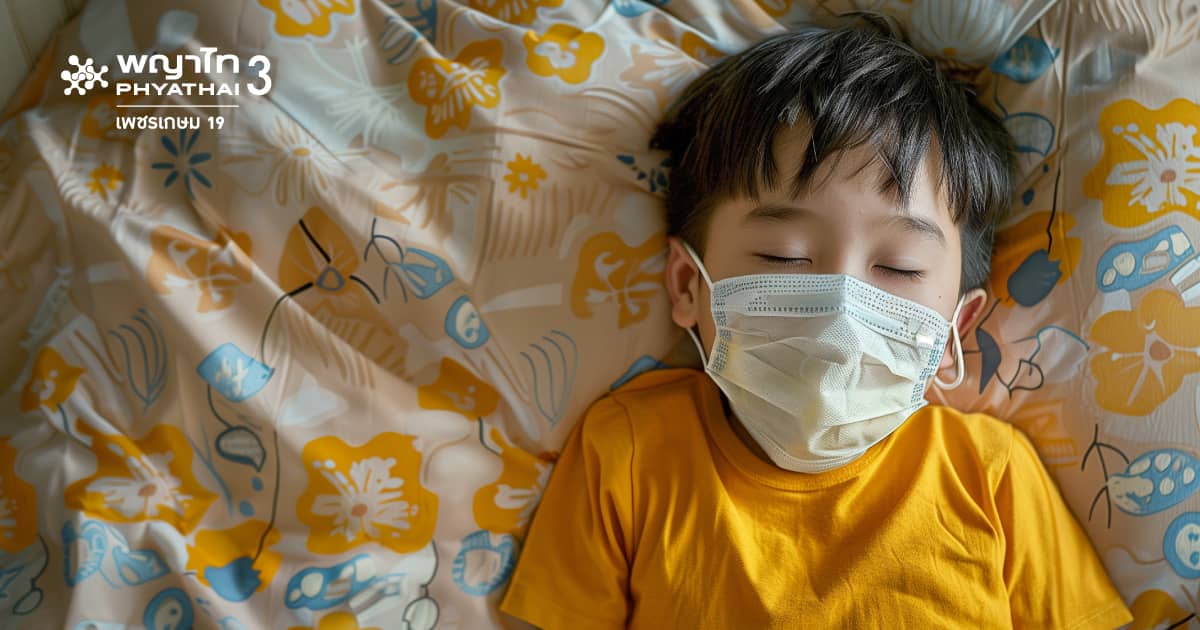
Monitoring Your Child for Illness: Pneumonia Caused by Human Metapneumovirus (hMPV)
During this rainy season, parents and caregivers should be cautious of their child’s illness symptoms, especially from the human metapneumovirus (hMPV), which has symptoms similar to a cold but can be severe, risking pneumonia and affecting the respiratory system.
What is the hMPV virus? What suspicious symptoms should parents watch for? Let’s get to know more about human metapneumovirus (hMPV) infection to be prepared for prevention.
What is the hMPV virus?
The hMPV virus, or Human Metapneumovirus, is a type of virus that causes respiratory tract diseases similar to RSV (Respiratory Syncytial Virus) and influenza virus, which are major causes of respiratory illnesses in young children and can lead to pneumonia in young children.
How does hMPV cause pneumonia?
When hMPV enters the body through the respiratory tract, the virus multiplies in the respiratory cells, causing inflammation and tissue damage, leading to various respiratory symptoms. Children may have difficulty breathing, and in severe cases, it can cause pneumonia.
Causes of hMPV virus infection in children
hMPV infection can occur at any age but is most common in young children under 5 years old. The virus spreads through droplets from coughing, sneezing, or contact with contaminated secretions.
- Direct contact with secretions from coughing, sneezing, or talking of an infected person
- Touching objects or surfaces contaminated with hMPV and then touching the nose, mouth, or eyes
- Inhaling airborne virus particles
Symptoms of children infected with hMPV virus
When infected with hMPV, 50-80% of children typically start with the following symptoms:
- Fever, cold-like symptoms
- Cough
- Runny nose and phlegm
- Sore throat
- Shortness of breath
- Difficulty breathing
How dangerous is the hMPV virus and why should parents be vigilant?
hMPV infection in adults or older children usually presents with symptoms similar to a common cold. However, in young children with weak immune systems, it can cause severe pneumonia, which may require hospitalization.
In cases at risk of pneumonia, symptoms worsen beyond cough and fever. Children often have difficulty breathing, rapid breathing, and some may be irritable, fussy, restless, and refuse milk or food.
Therefore, parents should monitor symptoms closely. If a child shows signs of difficulty breathing, they should be taken to see a doctor immediately for testing.
Diagnosis and treatment
Testing procedure
Diagnosis of hMPV infection is done by nasal swab testing sent to a laboratory, similar to testing for influenza virus and RSV.
Treatment guidelines
Treatment is mostly supportive because there is no antiviral medication for hMPV. This includes giving fever reducers, symptom relief medications, and oxygen if breathing is difficult. In severe cases, hospitalization may be required for nebulization, suctioning mucus, chest physiotherapy, or intravenous fluids (if dehydration is present), etc.
How many days does hMPV take to recover in children?
Generally, children infected with hMPV will be ill for about 5-7 days and then gradually recover. However, in some cases, symptoms may be severe and require longer hospitalization.
Prevention of human metapneumovirus (hMPV) infection
Since there is no specific vaccine for hMPV, prevention in children that parents should be aware of includes avoiding taking young children to crowded public places, avoiding close contact with people who are coughing, sneezing, or have respiratory illnesses, and maintaining cleanliness.
- Wash hands frequently with soap and water or use alcohol-based hand gel
- Try to prevent children from picking their nose or putting their hands in their mouth
- Regularly clean surfaces to reduce the chance of respiratory infections
In summary, although the hMPV virus causes pneumonia, especially in young children and the elderly, it can be prevented. If early symptoms are detected, take the child to see a doctor immediately, especially if the child has difficulty breathing. Most importantly, focus on hygiene such as frequent handwashing, avoiding contact with sick people, and cleaning the environment to help keep your child safe from hMPV infection.
