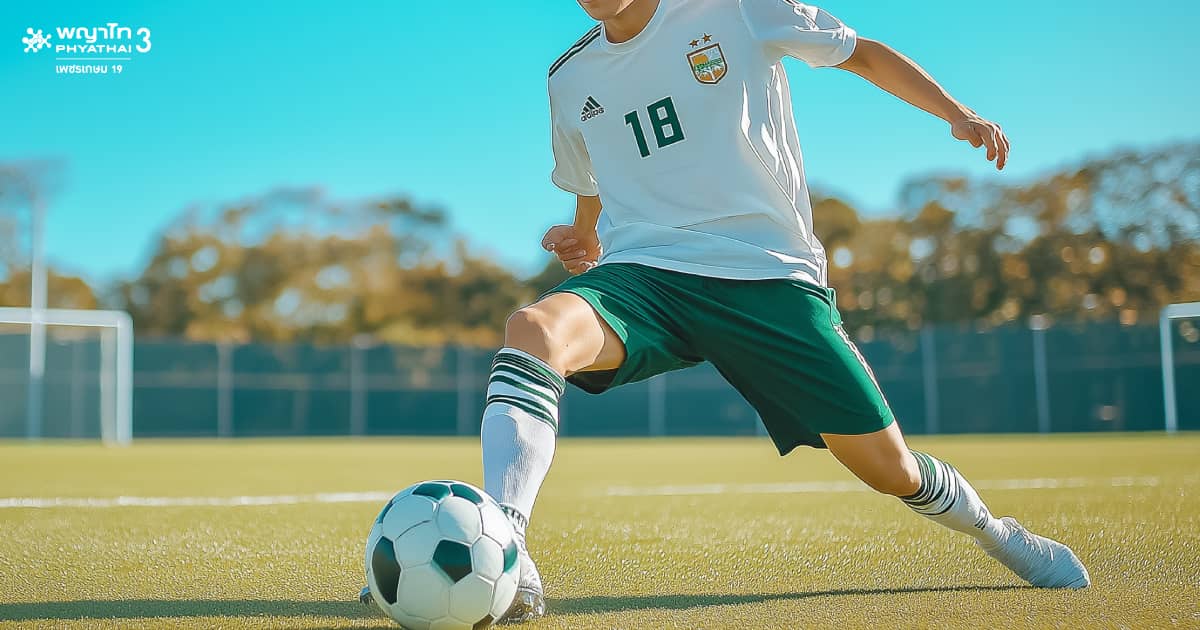
“Torn Meniscus” is one of the common health problems found in people of all ages and genders, especially athletes and the elderly. This problem can significantly affect daily life because the meniscus plays an important role in supporting weight and allowing smooth knee movement. Understanding the causes, symptoms, and treatment methods is essential to help us properly care for knee health.
What is a Torn Meniscus?
A torn meniscus (Meniscus Tear) is a condition where the meniscal cartilage tissue in the knee tears or is damaged. The meniscus is a crescent-shaped structure that acts as a shock absorber between the thigh bone and the shin bone.
Each knee has 2 menisci, which are:
- Medial Meniscus (inner meniscus)
- Lateral Meniscus (outer meniscus)
Meniscus tears can occur in various forms, ranging from small tears to severe tears that cause tissue fragments to detach.
Why is the Meniscus Important?
The meniscus plays an important role in knee function as follows:
- Weight Bearing : The meniscus helps distribute body weight and pressure from various activities evenly across the knee surface, reducing cartilage wear.
- Shock Absorption : Acts as a natural shock absorber, reducing impact forces from walking, running, or jumping.
- Enhancing Stability in Movement : Helps the knee remain stable and secure during movement, preventing inappropriate bone displacement.
- Joint Lubrication : Assists in distributing synovial fluid throughout the knee, allowing smooth movement.
- Maintaining Balance : Helps ensure knee movement follows the correct alignment.
Causes of Meniscus Tears
Meniscus tears can result from various causes, divided into two main types:
1. Acute Injury Causes, such as
- Rapid change of direction or sudden twisting while running
- Knee rotation while the foot is still planted, common in football and basketball players
- Direct impact from collision or falling on the knee
- Overbending the knee, such as squatting for prolonged periods
2. Degenerative Causes, such as
- Aging, as the meniscus becomes stiffer and more brittle over time
- Overuse from repetitive knee activities
- Osteoarthritis causing meniscus degeneration
- Knee structural abnormalities, such as bow-legged or knock-kneed conditions
Who is at Risk of Meniscus Tears?
Groups at risk for meniscus tears include:
- Athletes who play sports requiring frequent direction changes, such as football, basketball, tennis, badminton, squash, and combat sports like wrestling and judo.
- Older adults especially those over 40 years old, with increased risk due to meniscus degeneration, reduced tissue flexibility, and decreased muscle strength.
- Overweight individuals as excess body weight increases pressure on the knee and meniscus.
- People with physically demanding jobs that require kneeling, heavy lifting, or walking long distances regularly.
- Those with a history of knee injury as previous injuries may weaken knee structures and increase risk of re-injury.
Symptoms of a Torn Meniscus
Symptoms of a torn meniscus vary depending on the severity of the tear. Common symptoms include:
Acute Symptoms (occur immediately after injury)
- Pop sound hearing a “pop” or “snap” at the time of injury
- Immediate knee pain severe pain in the knee area
- Knee swelling occurs within 24-48 hours after injury
- Limited movement inability to fully bend or straighten the knee
Chronic Symptoms (develop later)
- Aching pain during movement especially when rotating or twisting the knee
- Knee catching feeling like the knee “catches” or “locks” sometimes
- Knee instability feeling that the knee is unstable and may “give way”
- Intermittent swelling knee swelling occurring periodically, especially after exercise
- Clicking sounds hearing noises when moving the knee
Symptoms Based on Tear Location
- Medial Meniscus : pain on the inner side of the knee
- Lateral Meniscus : pain on the outer side of the knee
Treatment for Torn Meniscus
Treatment depends on several factors such as the severity of the tear, patient’s age, activity level, and tear location.
Non-Surgical Treatment for Torn Meniscus (Conservative Treatment)
Rest and Activity Modification
- Stop activities that cause symptoms
- Avoid movements that increase pain
- Use a cane for walking if necessary
Cold Compress
- Apply cold compress for 15-20 minutes every 2-3 hours during the first 48-72 hours
- Helps reduce swelling and pain
Medication
- Pain relievers and anti-inflammatory drugs such as ibuprofen, paracetamol, or prescribed medications
Bracing or Knee Support
- Helps keep the knee in the proper position
- Reduces movements that may worsen the injury
Physical Therapy
- Exercises to strengthen thigh muscles
- Stretching to improve flexibility
- Balance and stability training
- Training for proper movement techniques
Injection Treatment for Torn Meniscus
Injection treatment depends on severity and physician assessment. Injections that help reduce pain include:
Steroid Injection
- Helps reduce inflammation and pain when other treatments are ineffective
- Limited number of injections allowed
Hyaluronic Acid Injection
- Helps lubricate the joint and may reduce pain and improve knee function
Is Knee Surgery Necessary to Repair a Torn Meniscus?
Surgery may be considered in severe cases, such as:
- Patients with pain and swelling that do not improve after 6-8 weeks of non-surgical treatment
- Frequent knee locking that prevents normal movement
- Pain that significantly interferes with daily life
- Large or complex tears
- Meniscus fragments displaced into the joint
- Tears in well-vascularized areas (may be repairable)
- Young patients who want to return to sports
- Patients with high activity levels
Types of Meniscus Tear Surgery
There are 3 surgical approaches to repair a torn meniscus:
1. Meniscal Repair
- Suitable for tears in well-vascularized areas
- Suturing the tear to reattach the tissue
- Helps preserve the meniscus structure
2. Partial Meniscectomy
- Removing only the torn part that cannot be repaired
- Trying to preserve as much healthy tissue as possible
3. Arthroscopic Surgery
- Minimally invasive surgery
- Using a small camera inserted into the knee joint
- Small incisions and faster recovery
Can Meniscus Tears Be Prevented?
Although some meniscus tears cannot be prevented, we can reduce the risk by the following methods:
1. Exercise to Build Strength
- Strengthen thigh muscles, such as quadriceps (front thigh) and hamstrings (back thigh). Aerobic exercises that are low-impact on the knees, such as cycling and swimming, are recommended.
- Improve flexibility by regularly stretching thigh and calf muscles, such as yoga or Pilates.
2. Improve Movement Techniques
- Practice correct posture such as safe direction changes and balanced use of both legs.
- Warm-up before sports or exercise and stretch afterward.
3. Use Protective Equipment
- Wear appropriate shoes. Recommended to choose shoes with good support and replace them when soles wear out.
- For those using knee supports due to previous injuries or high risk, consult a doctor or physical therapist before use.
4. Maintain Healthy Weight
Maintaining a healthy weight reduces pressure on the knees.
5. Avoid Risk Factors for Injury
Modify activities to avoid repetitive injury risks or choose exercises suitable for age and physical condition.
6. Get Adequate Rest
- Allow the body to recover between exercises and avoid overexertion.
Do Not Neglect a Torn Meniscus
A torn meniscus is a health problem that can greatly affect quality of life. If you experience knee pain or suspect a meniscus tear, consult a specialist for proper diagnosis and treatment. Early appropriate treatment leads to the best outcomes and prevents possible complications.
However, successful treatment does not always require surgery. Non-surgical treatment and rehabilitation can help many patients regain a good quality of life. The important thing is to plan appropriate treatment promptly.
