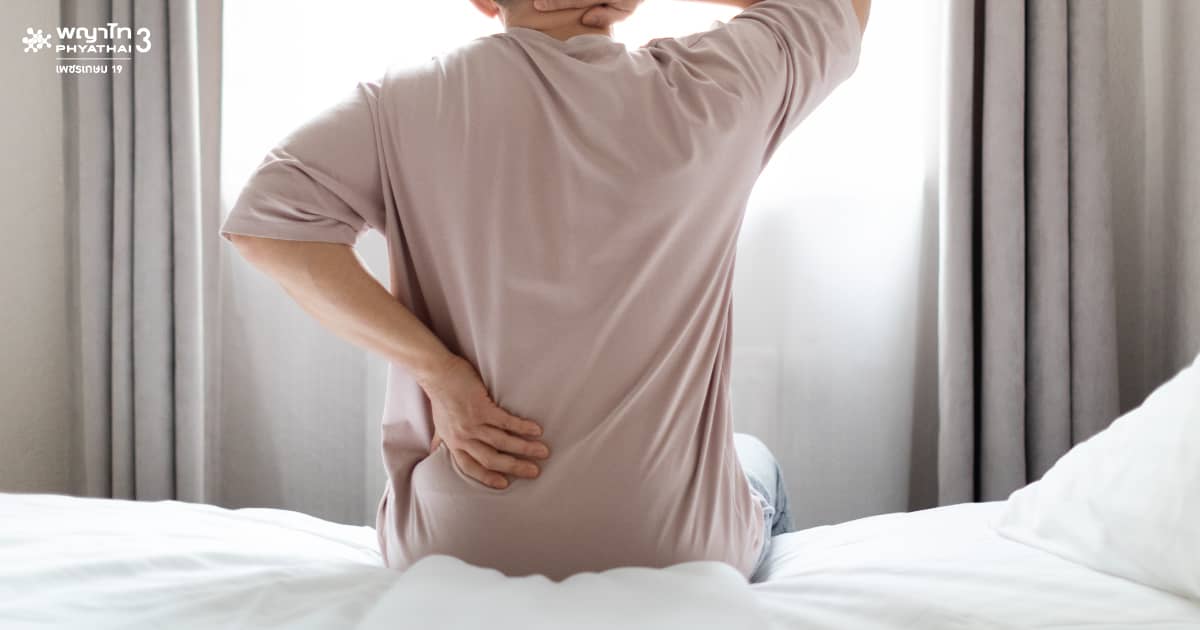
Back pain is a warning sign of many serious diseases, one of which is “lumbar spondylolisthesis.” Generally, when back pain occurs, most people tend to take it lightly, thinking it is just ordinary muscle soreness or back pain. This causes delays in treatment and results in the disease becoming more severe. To help everyone better understand lumbar spondylolisthesis and recognize the symptoms distinguishing ordinary back pain from back pain caused by lumbar spondylolisthesis, today we will get to know this disease more closely.
Getting to Know Lumbar Spondylolisthesis
Although lumbar spondylolisthesis occurs less frequently than spinal nerve compression, the severity of this disease is no less significant. In severe cases, it can lead to an inability to walk. Lumbar spondylolisthesis is a condition caused by the displacement of the lumbar vertebrae, where the vertebra moves forward and interferes with other vertebrae, eventually causing pain.
What Causes the Risk of Lumbar Spondylolisthesis?
In reality, there are several causes of lumbar spondylolisthesis, but most commonly it results from age-related degeneration of the bones and heavy usage, as well as improper movements or postures. Therefore, this disease is often found in elderly patients and those who perform heavy labor, including those who enjoy exercising, playing sports, or engaging in strenuous activities. Besides age and behavior, other causes include spinal infections, cancer spreading to the spine, and accidents, all of which increase the risk of lumbar spondylolisthesis.
What Kind of Pain Indicates Lumbar Spondylolisthesis?
Of course, just saying “pain” alone makes it difficult to distinguish the exact cause. To help you accurately observe your symptoms and seek medical attention promptly, if you experience the following types of pain, prepare yourself as you might be suffering from lumbar spondylolisthesis.
- Pain in the lower back from the waist down
- Pain gradually worsens and intensifies when walking or standing
- Pain also occurs in the buttocks and thighs
- Numbness and muscle weakness may occur if the displaced vertebra compresses the nerves
- Some cases may show visible spinal curvature
- In severe cases, difficulty urinating may also be present
Spinal Fixation Surgery with Metal Screws
Treatment for lumbar spondylolisthesis does not always require surgery; it depends on the severity and degree of vertebral displacement. If the symptoms are mild, treatment involves using back support devices, physical therapy, behavioral adjustments, and medication. However, for patients with severe pain and nerve compression, surgery is necessary. Currently, the most effective treatment for lumbar spondylolisthesis is minimally invasive spinal fixation surgery using metal screws, medically known as Pedicular Screw Fixation Miniopen. Simply put, this surgery involves inserting screws to firmly secure the displaced vertebra back into its normal position.
Using a minimally invasive surgical technique with small incisions on the left and right sides of the spine instead of a large open incision in the middle reduces the risk of complications, minimizes blood loss, and lessens muscle and tissue damage around the affected area. This results in less pain, faster recovery, and quicker return to normal movement compared to traditional surgery. The small incision spinal fixation surgery involves incisions only 2-3 cm in size, which is significantly smaller than traditional open surgery.
How to Live to Stay Away from Lumbar Spondylolisthesis
No matter how effective minimally invasive spinal fixation surgery is in treating patients, prevention remains the best solution for everyone. Therefore, we should prioritize caring for our backs starting today to reduce the risk of developing this disease. The following guidelines can help prevent the risk of lumbar spondylolisthesis:
- Be cautious to reduce the risk of accidents affecting your back
- Exercise regularly but avoid overexertion that could harm your back
- Eat a nutritious diet with all five food groups to keep your bones strong
- Avoid lifting excessively heavy objects
- Avoid sitting for long periods without changing posture
- Maintain a healthy weight to avoid putting excessive strain on your back
If you experience back pain, do not take it lightly. Consult a doctor and undergo physical therapy to reduce the risk of disease.
The spine is important; if neglected, you may never walk normally again.
Spine Center
Phyathai 3 Hospital
Tel. 02-467-1111 ext. 3262
