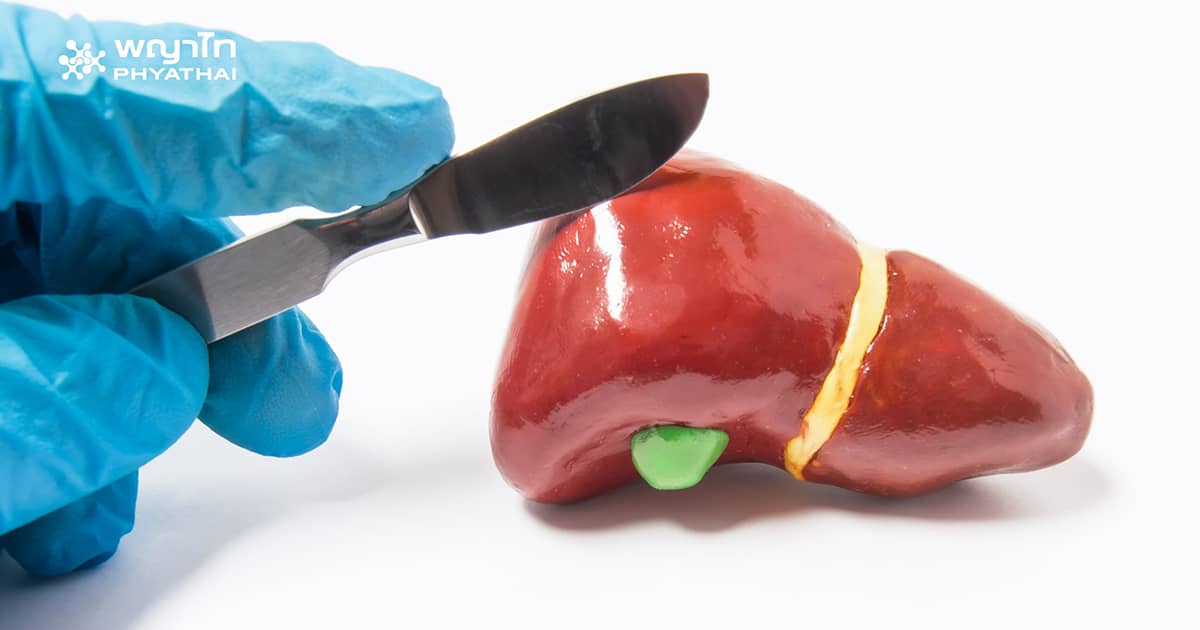
Gallstone surgery nowadays is modern, fast, and more cost-effective than traditional surgery. Patients can be confident in the advanced and higher quality equipment after undergoing surgery….
The gallbladder is an organ in the abdominal cavity shaped like a pouch that stores bile from the liver to deliver to the small intestine to digest fats. Gallstones mainly form from cholesterol crystallization.
What are the risk factors for gallstones?
- Occurs more in women than men
- Age over 40 years
- People with obesity, diabetes, and blood disorders
- People who regularly consume alcohol
What are the symptoms?
- Bloating, indigestion, pain, fullness under the right rib cage or epigastric area, usually occurring after meals and subsiding after about 2 hours.
- May have yellow eyes, yellow skin, and fever due to bile duct obstruction or inflammation of the gallbladder and nearby organs.
Diagnosis
- History taking and physical examination
- Blood tests to check liver function
- Upper abdominal ultrasound
- Endoscopic retrograde cholangiopancreatography (ERCP) will be done if bile duct stones are suspected
- Percutaneous transhepatic cholangiography (PTC) will be done in cases of bile duct obstruction
Treatment
Surgery is a definitive treatment that prevents gallstones from recurring and prevents severe complications by removing the gallbladder.
- Open cholecystectomy is performed in cases where the gallbladder is severely inflamed or ruptured in the abdominal cavity. The doctor will make an incision about 10 cm long under the right rib cage.
- Laparoscopic cholecystectomy is performed in patients without acute gallbladder inflammation, except in cases of severe inflammation, pus, or when the doctor suspects concurrent pancreatitis, in which case open surgery will be considered.
Laparoscopic cholecystectomy procedure
The doctor will make 3-4 small incisions in the abdomen, each about 0.5-2 cm in size. Then, a long camera and surgical instruments are inserted through the incisions. The camera transmits images to a monitor, allowing the doctor to perform the surgery clearly on the screen and remove the gallbladder using the instruments.
Advantages of laparoscopic surgery
Patients only need to stay in the hospital for 1-2 days. Compared to open surgery, where recovery takes 5-7 days, laparoscopic surgery causes less pain, smaller and more aesthetically pleasing scars, and faster recovery, allowing patients to return to work sooner.
Postoperative care
Patients must be careful to keep the wound dry at all times. Light walking exercise is allowed, but heavy lifting should be avoided for 6 weeks or as advised by the doctor. Avoid smoking, eat nutritious food, avoid fatty meats that cause bloating, fullness, and indigestion, take medications, and attend all follow-up appointments as prescribed.
How to prevent gallstones
We can reduce the risk of gallstones by changing eating habits to avoid fatty foods, controlling weight, and for those over 40 years old, both men and women should regularly check their health. If any abnormal symptoms are found, see a doctor for diagnosis.
General Surgeon
Surgery Center, Phyathai Nawamin Hospital
