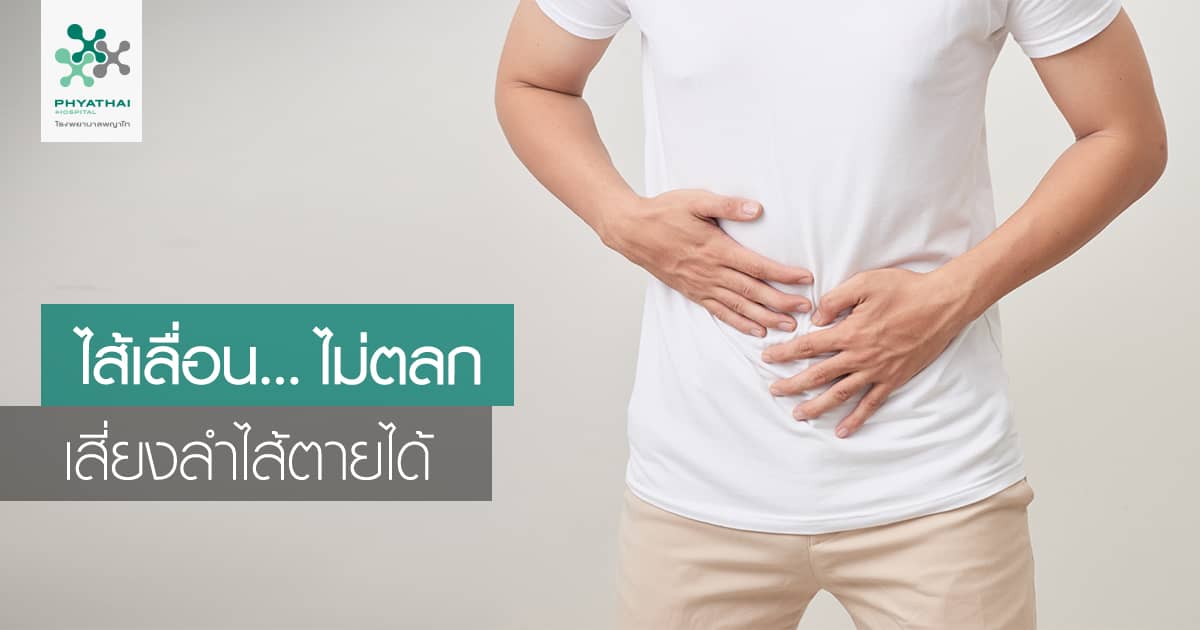
Feeling a heavy sensation when standing or walking, this symptom.. may not be normal because this is one of the warning signs of “hernia”, a condition where the intestine moves out from the abdominal cavity to the outside. Although this disease is common in males, females are also at risk of hernia. Importantly! If left untreated for a long time, it may cause more severe complications than expected.
Hernia.. How does this condition occur?
When the pressure inside the abdominal cavity increases.. pushing the intestines out, if the patient has a weak abdominal wall, which may be due to congenital abnormalities or aging, it will cause a bulging lump characteristic of hernia. Sometimes the intestines can move back into the abdominal cavity on their own, but in some cases.. where the intestines cannot move back into the abdominal cavity, abnormal symptoms will follow.
What symptoms? Fit the criteria for “hernia”
Besides the heavy feeling when standing or walking, patients will notice a bulging lump where the intestines have moved out, such as the groin (the most common area), scrotum, diaphragm, or navel, etc. Some patients may also have other abnormal symptoms such as chest pain, abdominal tightness, or heartburn similar to acid reflux.
Severe complications that may occur
If stool cannot pass through this part of the intestine, there is a risk of intestinal obstruction, causing the patient to have cramping abdominal pain, nausea, vomiting, bloating without passing gas. If the displaced intestine loses its blood supply, it will cause the intestine to die and rot. The patient will experience severe abdominal pain and be unable to move. Some may have low blood pressure and require urgent surgical treatment.
Hernia surgery, another treatment option
To reduce the risk of severe complications, some doctors may recommend hernia surgery. Hernia surgery is divided into two main methods as follows:
- Open surgery: This surgery involves returning the intestines to their original position in the abdominal cavity. The popular surgical techniques include two methods: returning the intestines to their original position and suturing or reinforcing the weak spot, or using a synthetic mesh to close the hole or weak spot.
- Laparoscopic surgery: The principle is similar to traditional surgery, but the technique differs by using a camera and laparoscopic instruments. The advantages of laparoscopic hernia surgery are smaller incisions and faster recovery, but it must be performed by a specialized surgeon and requires general anesthesia.
Because medical advancements never stop, laparoscopic techniques have been continuously developed, especially using synthetic materials to close the hernia defect from the inside, significantly reducing the chance of recurrence.
Self-care recommendations after surgery
- Avoid getting the wound wet until the stitches are removed. Do not scratch or pick at the wound to prevent infection or pus formation.
- When coughing or sneezing, use your palm or a soft cloth to support the wound.
- Avoid straining during bowel movements or urination. If constipated, treat it early. If urination is difficult, seek treatment as well.
- Do not do heavy work or lift heavy objects for at least 3 months.
- Maintain good health. If you have a cold, sore throat, or frequent coughing and sneezing, see a doctor promptly.
- Eat a nutritious diet including vegetables, fruits, and drink plenty of water to prevent constipation.
- Wear snug underwear to help support the wound and reduce pain.
- If you have severe wound pain, take painkillers as prescribed and monitor for any abnormal symptoms such as recurrent hernia, wound separation or swelling, wound discharge, fever, or abdominal pain. Seek medical attention immediately.
