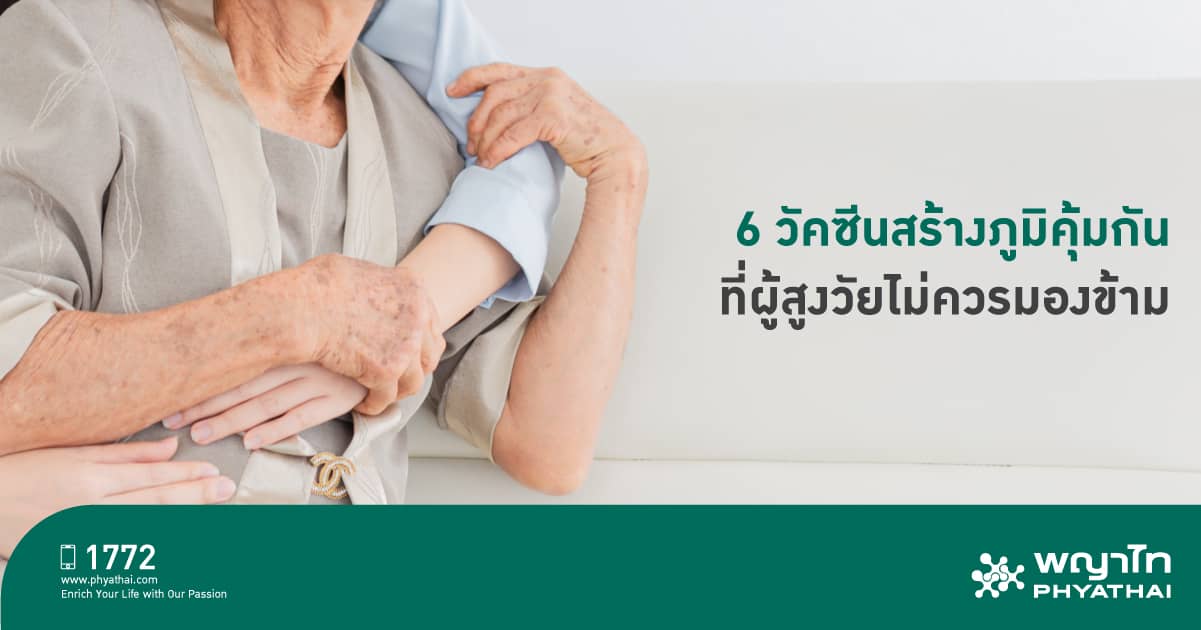
The immune system in the human body deteriorates over time, especially “adults or the elderly”, whose immunity decreases due to the declining condition of the body, making them more susceptible to infections and illnesses compared to younger people.
One important factor that helps adults or the elderly increase their immunity and stay away from various diseases is receiving “vaccines for adults and the elderly”. If adults or the elderly contract various infections, they may experience severe symptoms or develop other complications, increasing the severity of the disease and potentially leading to life-threatening conditions. Therefore, building good immunity is very important and necessary.
Get to Know 6 Vaccines for Adults and the Elderly
1. Influenza Vaccine
Influenza infection can occur at any age. Generally, the infection does not cause severe symptoms, and patients usually recover within 3-5 days after symptoms appear. However, elderly people have a higher rate of hospitalization and complications from influenza infection, as well as a higher mortality rate, especially those aged 65 and above.
For those aged 19-64 with heart disease, asthma, chronic obstructive pulmonary disease (COPD), and patients of all ages who require hospitalization at least once a year due to chronic diseases such as diabetes, kidney disease, blood disorders, or those with immunodeficiency or on immunosuppressive drugs, these groups should also receive the influenza vaccine annually.
2. Pneumococcal Vaccine
Suitable for patients who have had their spleen removed, patients with liver failure or kidney failure, patients with immunodeficiency or on immunosuppressive drugs, and those aged 65 and above. Additionally, it may be considered appropriate for those with chronic diseases aged 19-64, such as heart disease, asthma, COPD, cirrhosis, chronic kidney failure, diabetes, regular smokers, and those with chronic alcoholism.
3. Combined Vaccine for Diphtheria, Tetanus, and Pertussis
Especially the tetanus vaccine, which should be boosted every 10 years. Most patients with tetanus usually have no history of receiving the vaccine before.
4. Shingles Vaccine
Recommended for those aged 50 and above to reduce the incidence of shingles and help lessen the severity of shingles symptoms. People who have had chickenpox are at risk of developing shingles, and the risk increases with age due to declining immunity. The incidence of shingles is about 30% in the general population and increases to 50% in those aged 85 and above.
5. Chickenpox Vaccine
Suitable for those without immunity to the disease and who have a chance of exposure, such as teachers or those who care for or frequently interact with children, including women of childbearing age who do not wish to become pregnant. For those who do not know or have no history of having had chickenpox, immunity testing should be done before vaccination.
6. Hepatitis B Vaccine
Hepatitis B is a serious disease affecting the liver caused by the hepatitis B virus. The hepatitis B vaccine can prevent hepatitis B infection and the complications that follow, including liver cancer and cirrhosis.
It is also suitable for kidney patients undergoing dialysis, patients who frequently receive blood transfusions, those with heart disease, COPD, chronic kidney failure, diabetes, as well as those with immunodeficiency or on immunosuppressive drugs.
“Vaccination in adults and the elderly” is as important as vaccination during childhood because the immune system weakens with age, making it easier to get infections and increasing the risk of illness.
“Vaccines” help build good immunity in the body, serving as preventive care and can also reduce the severity of some diseases.
Now that we know this, we should not delay when it comes to the health of “ourselves and our loved ones”. Those interested can consult specialists online free of charge before receiving services.
Dr. Kamoldej Wongpornpakdee
Internal Medicine Specialist
Internal Medicine Center, Phyathai Nawamin Hospital
