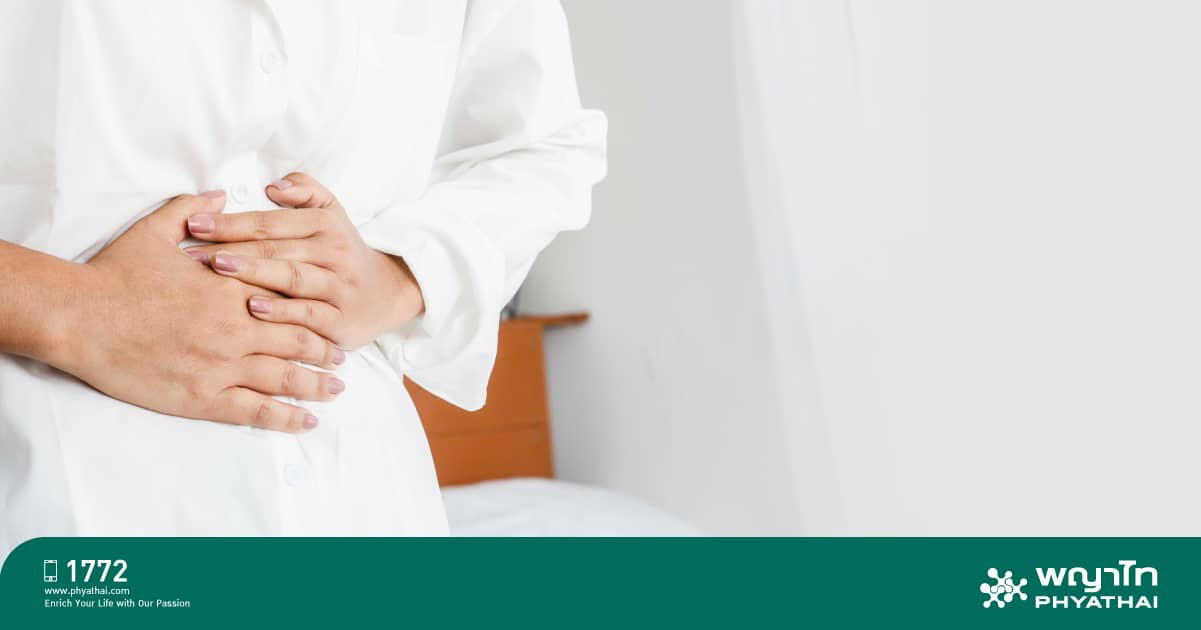
Chronic Constipation Must Be Treated Before Serious Diseases Occur
The symptom of “constipation” is a problem that most people consider not serious because they think that just taking laxatives will help them have bowel movements. So, whenever it happens again, they take the medicine repeatedly. However, little do they know… if you regularly take laxatives like this, not only will the constipation not be cured, but it may also lead to unexpected serious diseases.
What is Chronic Constipation?
Normally, people have bowel movements at least 3 times a week. If you have fewer than 3 bowel movements per week or have difficulty passing stool continuously for months, it may indicate that you have “chronic constipation”. In reality, constipation symptoms vary from person to person and do not necessarily depend on the number of times or regularity of bowel movements. As long as you can pass stool comfortably without straining and the stool is soft and well-formed, even if the bowel movements are irregular, it is not considered abnormal.
Which Should Be Treated: Acute Constipation or Chronic Constipation?
Some people may have difficulty passing stool, need to strain, have hard stools, or have bowel movements infrequently. All of these are constipation. If symptoms last only 2-3 days, it may be just “acute constipation”, often caused by lifestyle changes such as illness, medication, travel, or lack of exercise. This condition can be relieved by lifestyle adjustments, eating more fruits and vegetables, exercising regularly, or taking laxatives to ease symptoms. However, if symptoms last for months or years, it is “chronic constipation”, which should be treated by seeing a specialist in gastroenterology and hepatology.
What Symptoms Define… Chronic Constipation?
Medically, constipation symptoms include the following:
- Having fewer than 3 bowel movements per week
- Stools are hard and lumpy
- Needing to strain more than usual to pass stool
- Feeling like something is blocking the rectum and obstructing stool passage
- Feeling like you cannot completely empty your bowels
- Needing to press or massage the abdomen to help pass stool or using fingers to assist in stool passage
What Causes Chronic Constipation?
There are many causes of chronic constipation:
- Caused by physical diseases
- Diabetes
- Thyroid dysfunction
- High blood calcium levels
- Neurological diseases such as brain or spinal cord injury, Parkinson’s disease, stroke, multiple sclerosis (MS)
- Caused by regularly taken medications such as opiates, calcium channel blockers, Parkinson’s disease medications, sympathomimetic drugs, antipsychotics, diuretics, calcium supplements, iron supplements, antihistamines, antacids especially those high in calcium
- Abnormal bowel or muscle function controlling bowel movements
- Abnormalities or tears in the anus or rectum
- Bowel obstruction or irritable bowel syndrome
- Mental health problems such as depression or eating disorders
- Physical disabilities that limit movement, such as bedridden patients
- Lack of exercise
- Insufficient water intake and low-fiber diet
Adjusting Lifestyle and Behavior… Reduces the Risk of “Chronic Constipation”
If you don’t want to suffer from “chronic constipation,” simply changing some behaviors can help improve bowel movements.
- If you feel the urge to defecate, go to the bathroom immediately do not hold it in
- Eat foods high in fiber such as legumes, vegetables, fruits, and whole grains
- Reduce intake of red meat, milk and dairy products, and processed foods
- Drink enough water to keep stools soft and easy to pass
- Exercise regularly to stimulate normal bowel function
- Try to have regular bowel habits
- When feeling stressed, find activities to relieve stress such as meditation, listening to music, walking, or watching favorite movies
Anyone experiencing abnormalities in bowel habits should see a specialist immediately for proper examination, diagnosis, and treatment because if left untreated for a long time, serious complications may develop.
“Bowel movements” are an important part of daily life. Having good bowel habits helps make each day bright and keeps your stomach comfortable all day long.
Dr. Udomrat Kowitwiphat
Internal Medicine Specialist
Gastroenterology and Hepatology Center, Phyathai Nawamin Hospital
