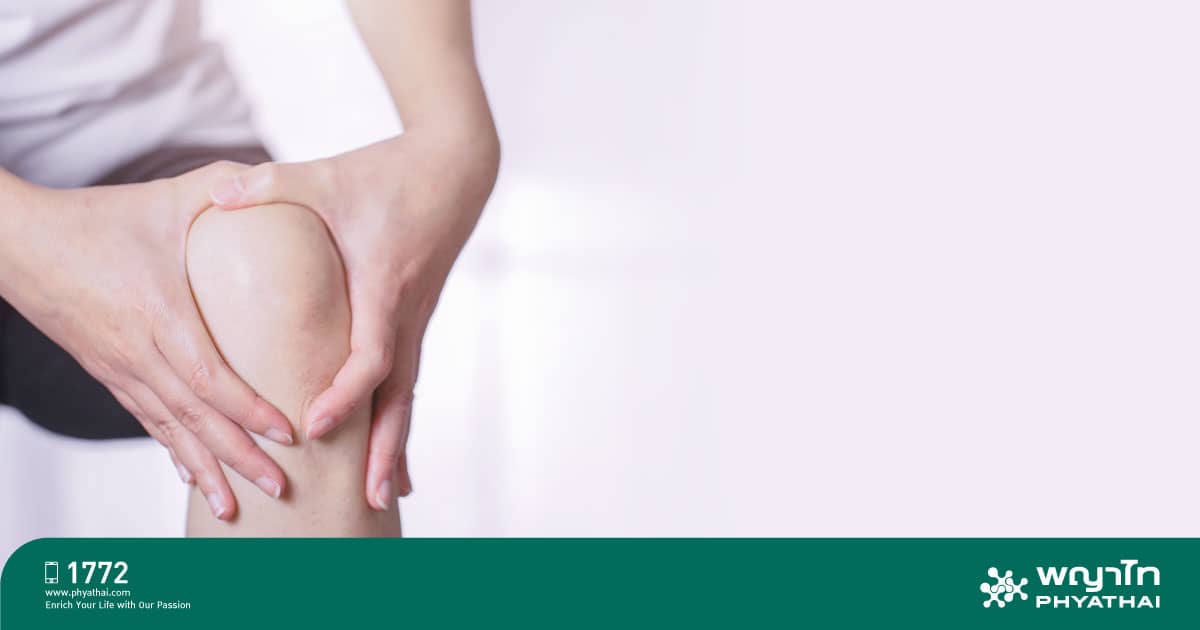
Injuries to “bones, ligaments, and muscles” that are minor may be treated with medication or physical therapy. However, if the condition is severe enough to require surgery, many patients tend to avoid it, choosing to endure the pain because they fear that surgery will be very painful or dangerous. They worry that after surgery, the affected body part may not function as well as before, or that the symptoms may not improve at all.
A new option for those not yet ready for surgery is that doctors may consider using innovative treatments for bone, ligament, and muscle diseases that cause less trauma than surgery but help improve the symptoms. This is “PRP (Platelet Rich Plasma) injection” or “concentrated platelet plasma”, which we will get to know more about in this treatment method.
Getting to Know PRP (Platelet Rich Plasma) Injection Treatment
PRP (Platelet Rich Plasma) is a treatment to relieve injury symptoms and inflammation from osteoarthritis, muscle ligaments, bone ligaments, and various soft tissues without surgery. It involves drawing the patient’s blood and spinning it to separate platelets and plasma. Then, the doctor concentrates and photoactivates the platelets and plasma before injecting them back into the injured area to help reduce pain and accelerate cell recovery. This treatment stimulates the repair process of degenerated tissues and ligaments to restore them to a good condition.
Benefits of PRP (Platelet Rich Plasma) Injection
PRP injections can repair injured areas and help reduce pain. Importantly, it improves the quality of life for patients with these conditions, including:
- Osteoarthritis
- Torn shoulder ligaments
- Injured anterior cruciate ligament of the knee
- Lateral epicondylitis (tennis elbow)
- Ankle sprains
- Inflammation of muscle ligaments in fibrous muscles
- Muscle ligament sprains
Are There Any Limitations to PRP Injection?
PRP (Platelet Rich Plasma) injection treatment uses the patient’s own platelets, so there are no side effects and it is very safe. However, there are some limitations in its use, such as:
- PRP injections cannot be combined with local anesthetics because the pH of anesthetics may affect the function of the injected platelets. Therefore, patients may have to endure pain or soreness from the PRP injection.
- Patients must stop taking anti-inflammatory drugs or steroids at least 2 weeks before the injection because these medications reduce the effectiveness of the platelets.
- PRP treatment is not covered by health insurance.
What to Know Before Receiving PRP Injection
Before treatment, patients must understand and strictly follow the doctor’s instructions as follows:
- Stop taking medications as prescribed by the doctor, especially anti-inflammatory drugs and steroids, about 2 weeks before the injection.
- Patients must not be dehydrated, as this makes blood drawing difficult.
- After drawing blood from the patient, it will be processed in a special machine and spun to obtain the appropriate platelet concentration for treatment, which takes about 15 minutes.
- After the PRP injection, patients must continue to avoid anti-inflammatory drugs and steroids. If there is pain, painkillers or cold compresses can be used instead.
Suitability for PRP Injection
The treatment process must consider several factors, including the affected organ, the severity of the condition, and the patient’s health. Therefore, it depends mainly on the doctor’s judgment.
- The effectiveness of treatment depends on the injured organ. Muscle injuries may require less treatment time than ligament injuries.
- Chronic patients may need longer treatment periods, and the results may be less effective than those who receive treatment immediately after injury.
- The location and size of the injured joints, such as the elbow or shoulder, will affect the treatment duration and results.
- PRP injections usually require about 2-3 sessions per injured ligament or muscle, spaced 7-10 days apart, depending on the doctor’s judgment.
- Treatment results can be seen from 4-6 weeks onward.
Differences Between PRP and Steroids That Many People Wonder About?
Many who have chosen steroids for pain relief may wonder how PRP injections differ.
- Steroids: Steroids work by reducing inflammation. Although pain and inflammation decrease, steroids interfere with the repair of ligaments or muscles and long-term use may cause adverse effects.
- PRP: PRP works by stimulating the repair of ligament conditions to restore their efficiency and properties. There may be pain from inflammation, but PRP uses the patient’s own blood, so it is generally safe and has no side effects.
All pain… is something that should be treated promptly or at least alleviated to reduce suffering. “PRP (Platelet Rich Plasma) injection” is another option that helps those suffering from injuries to bones, ligaments, or muscles to relieve pain or improve symptoms and regain a good quality of life.
Dr. Kobsak Udomdej
Orthopedic Surgery Specialist
Muscle, Bone, and Joint Center Phyathai Nawamin Hospital
