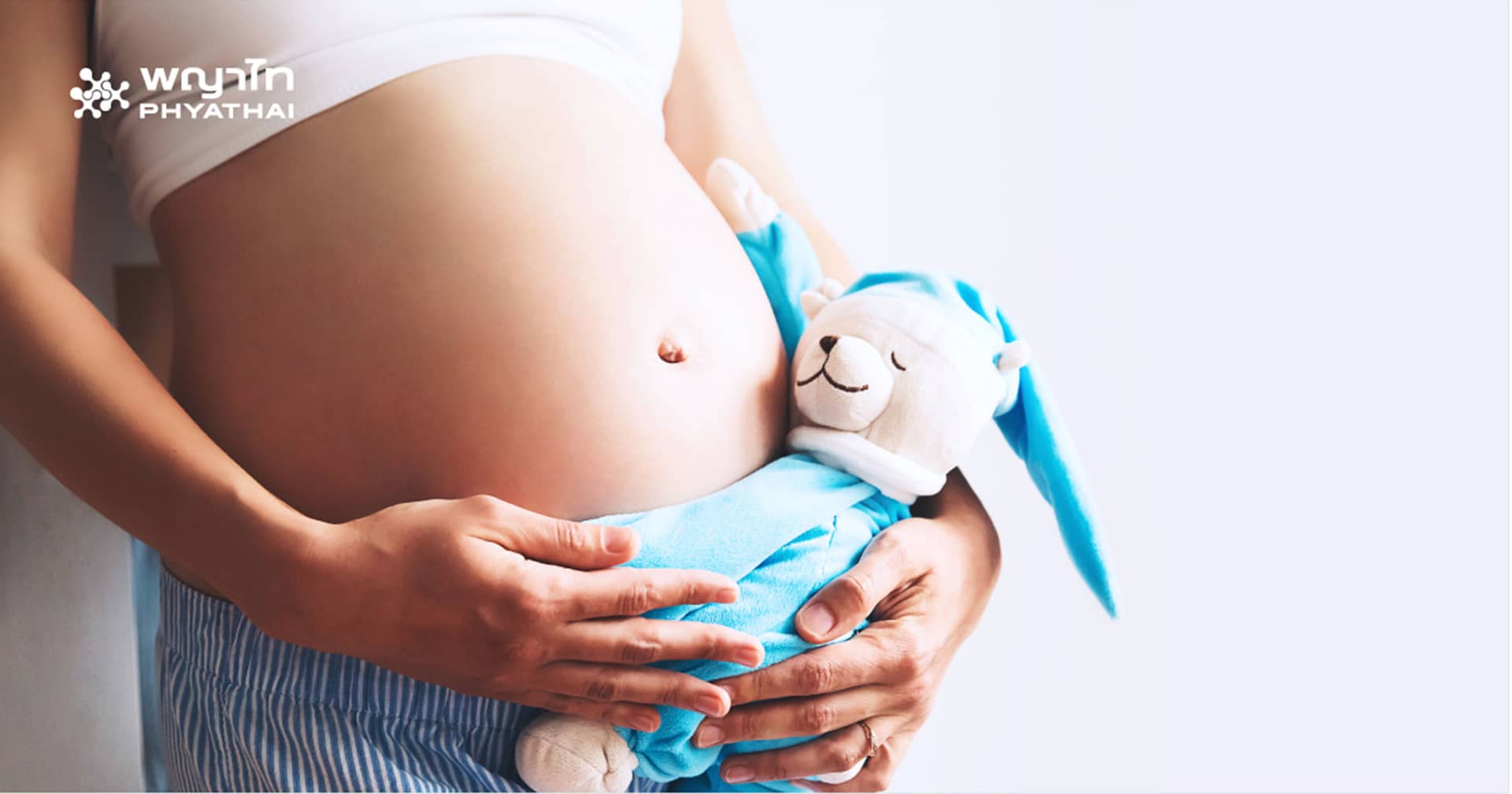
Changes That Occur
- Weight will increase, should gain about 1 – 2 kg per month (total about 4 – 5 kg)
- The uterus enlarges and you will start to feel the baby move between weeks 16 – 22
- Darkening of the skin on the face, neck, body, and armpits. A dark line appears vertically down the middle of the abdomen from the navel to the pubic area caused by increased hormone levels. Stretch marks may also appear on the abdomen due to rapid uterine growth causing the abdomen to stretch more
- Increased vaginal discharge or mucus more than usual due to increased hormone levels and increased blood flow to the vaginal area during pregnancy
- Digestive system changes, may experience bloating, indigestion, constipation
- Muscle cramps
What Should Be Done
- Food At this stage, morning sickness usually subsides and you can start eating normally. You should eat all 5 food groups. You may have all types of food in one meal or alternate types in different meals, but over 5 – 6 meals a day, you must consume all types of food. Avoid excessive intake of carbohydrates, sugar, and fat because during pregnancy the body does not need extra carbohydrates and sugar but requires more protein
- Focus on vegetables and fruits High-fiber foods and drink 6 – 8 glasses of water daily to prevent constipation
- Iron Found in egg yolks, liver, green leafy vegetables, helps produce enough red blood cells to transport oxygen from the mother’s blood to the baby, and calcium which helps build the baby’s bones and teeth, mostly found in milk
- Exercise Beneficial for pregnant mothers as it strengthens the body, improves digestion, prevents constipation, and promotes good sleep. Exercise should not be strenuous or overly demanding, such as walking 10 – 20 minutes daily or swimming (recommended for those who exercised regularly before pregnancy)
- Sleeping position Helps relieve back pain during pregnancy. You should alternate lying on your left side, right side, or back to reduce pressure points on the body. You may use a pillow to support your legs higher to reduce swelling caused by daily activities
- Breast examination To prepare for breastfeeding after delivery. Flat or inverted nipples, or hard and tight areolas that are not soft, can make it difficult for the baby to latch. Self-examination involves placing the thumb and index finger on the skin at the junction between the nipple base and the nipple, then squeezing them together. If the nipple is too short or inverted so the baby cannot latch, the nipple will retract between the two fingers
Important Symptoms to See a Doctor
- Vaginal bleeding. Causes of bleeding at this stage may be due to placenta previa
- Intermittent abdominal pain, which may indicate preterm labor or urinary tract infection from frequent urination or burning sensation
- Abnormal vaginal discharge such as color change, itching, or foul odor
