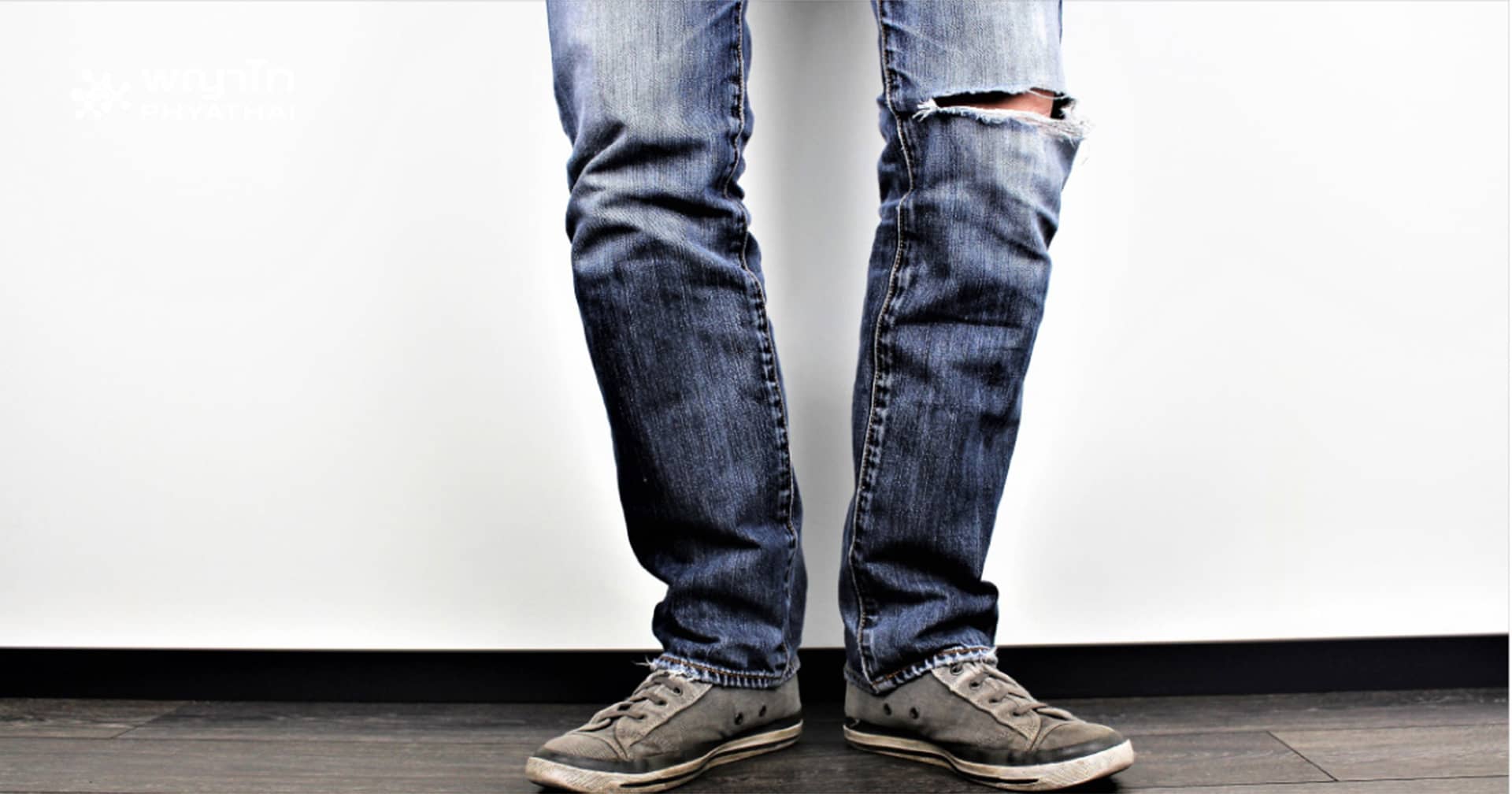
Bow legs might appear ordinary, but its treatment is no ordinary matter. This is because bow legs is a condition in which the knees curve outward, and there are many causes for the femur and lower leg bones to be aligned outward. In children younger than 2 years, a minor extent of bow-leggedness is expected. This is normal. In this case, the leg bones are normal, but they appear to curve outward due to tension in the tendons and pulling of the muscles inside the knee joints and the turning of the leg bones during pregnancy. However, as the child starts standing and walking and exerting muscles in a balanced manner, the leg bones will start to appear normal. Slight bow-leggedness is normal in 2-year-olds.
Other causes of bow legs include the following:
- Bone disorders.
- Congenital disorders and curvature that does not subside after turning 2 years old.
- Rickets. This is a condition caused by abnormalities in bone production due to a deficiency in certain nutrients such as calcium, phosphate, alkaline phosphatase, and vitamin D that make it impossible for bone synthesis to take place. As a result, the bones become weak and thin and may curve. It is important to see a doctor in order to diagnose this condition. Meanwhile, certain kidney diseases can also cause this condition by a certain extent.
- Injury to the cartilage on the inner side of the femur on one or both sides, leading to the bones to be fused sooner than normal. This changes the alignment of the bones and causes curvature.
Bow legs can be treated with surgery and supportive non-surgical care such as the following:
- Training to improve the strength of the thigh muscles without relying on surgery, combined with knee exercises. The aim is to keep the thigh muscles strong and minimize impacts on the knee joints. This is something beneficial for every person.
- Unicompartmental or total knee arthroplasty.
- High tibia osteotomy or HTO.
