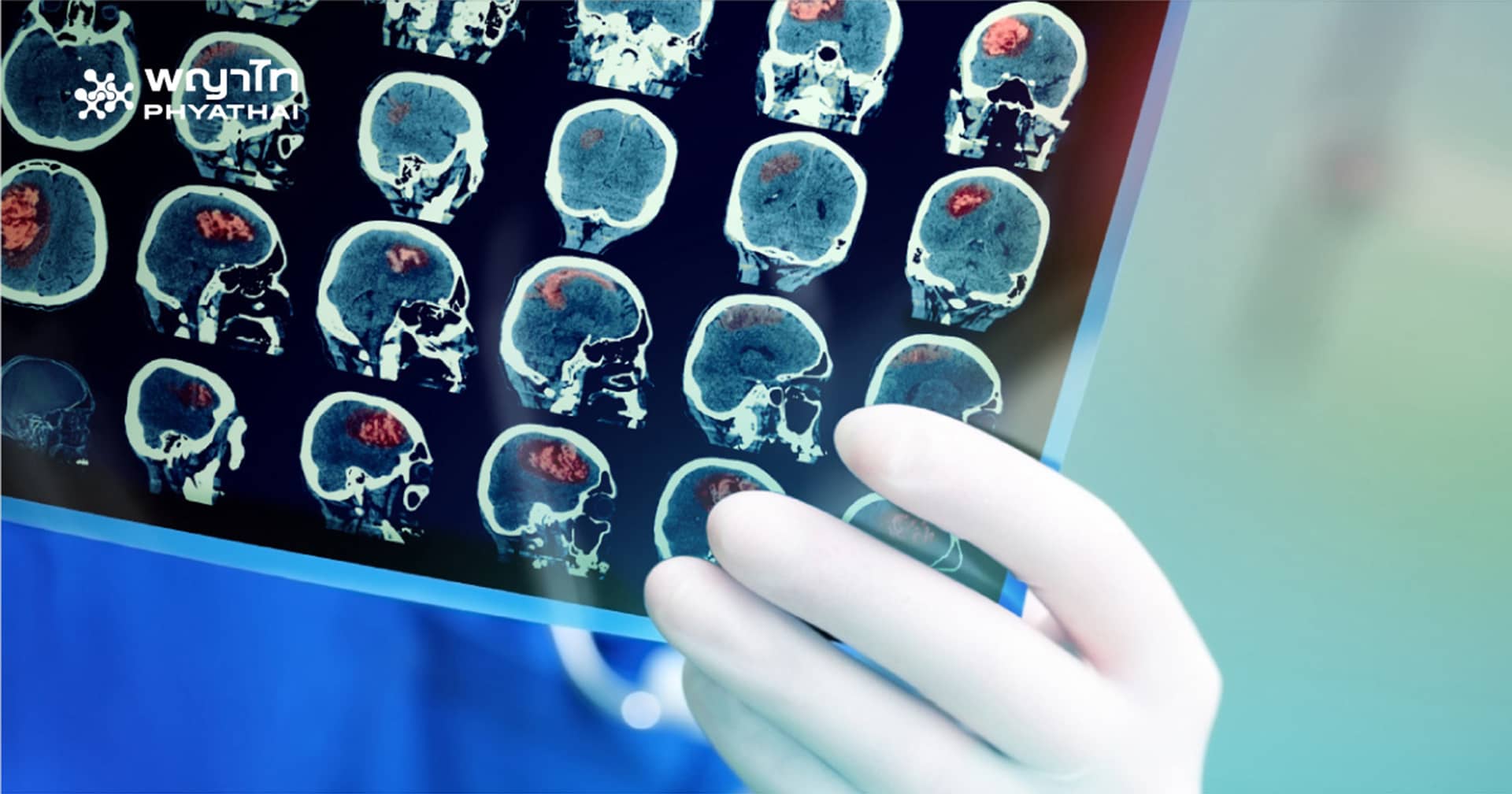
It seems that headaches have become a constant companion for working-age people nowadays. At the slightest provocation, there’s a headache, and people habitually reach for paracetamol. But did you know that frequent headaches could also be a symptom of a serious disease like a brain tumor?
What is a brain tumor?
A brain tumor is an abnormal growth of tissue in brain cells or areas near the brain, which affects the functioning of the brain and nervous system. This causes various symptoms in the body such as headaches, nausea, vomiting, blurred vision, speech and movement problems, and can be severe enough to cause seizures or paralysis. This happens because the tumor presses on and affects parts of the brain that control different functions. The exact cause of brain tumors is not yet confirmed but may be due to genetic abnormalities in brain cells, heredity, age, or certain behaviors.
The severity of brain tumors is divided into 4 levels
- Level 1: A benign tumor that grows slowly and has not spread. It can be completely cured and may not recur.
- Level 2: A moderate tumor that spreads within brain tissue but is not malignant. It can be treated but not completely cured, though it may last for many years due to slow growth.
- Level 3: A malignant tumor that may develop from a benign tumor in the brain or spread from cancer cells in other organs. It cannot be completely cured and has a chance of recurrence.
- Level 4: A highly malignant brain cancer. The tumor grows and spreads rapidly, leading to death in a short time.
Observable symptoms of brain tumors
- Frequent or chronic headaches that may become increasingly severe
- Nausea, vomiting, drowsiness
- Problems with speech and communication, slurred speech
- Blurred or double vision
- Hearing problems
- Problems with movement and balance
- Weakness in limbs or hemiplegia
- Memory problems
- Confusion, dizziness
- Seizures without previous history of seizures
Diagnosis and treatment of brain tumors
If you experience symptoms that suggest a brain tumor, you should consult a doctor for diagnosis. Initially, the doctor will perform a thorough physical examination. If a brain tumor is suspected, the doctor will order brain imaging tests such as a CT scan or MRI to get detailed images of different brain areas. If a tumor or abnormal tissue is found, the doctor may perform a biopsy to determine the type and severity of the tumor to plan further treatment.
Brain tumor treatment options
- Surgery In cases of less severe, non-malignant, non-spreading brain tumors located in areas accessible for surgery without affecting nearby nerves, doctors can perform open skull surgery or endoscopic surgery to completely remove the abnormal tissue.
- Radiation Therapy If the tumor cannot be surgically removed, or surgery does not remove the entire tumor, or if the tumor is malignant cancer cells, doctors will use high-energy radiation to destroy the cancer cells.
- Chemotherapy May be used after partial tumor removal or when surgery is not possible. Chemotherapy involves using drugs to kill cancer cells. The doctor will decide the form of medication, which may include oral drugs or intravenous injections.
Can brain tumors be cured?
Brain tumors are severe and have a high mortality rate. Complete cure is difficult, and death can occur quickly. Treatment of brain tumors is often misunderstood as being extremely costly. However, if detected early at the initial stages or when symptoms first appear, such as frequent headaches, chronic headaches, blurred vision, and early detection of brain tumors, surgery can cure the tumor completely. Therefore, observing bodily abnormalities is important, and regular health check-ups or detailed brain examinations are recommended. Early detection can lead to effective treatment without high costs.
Cannot be prevented but risk factors should be avoided
Although the exact cause of brain tumors is unknown and they cannot be prevented, we can avoid risk factors that cause cancer cells, such as avoiding alcohol, quitting smoking, maintaining good health through exercise and adequate rest, eating nutritious food, and preventing excessive stress to reduce harmful chemical secretion in the body. By doing so, there is no need to fear brain tumors.
