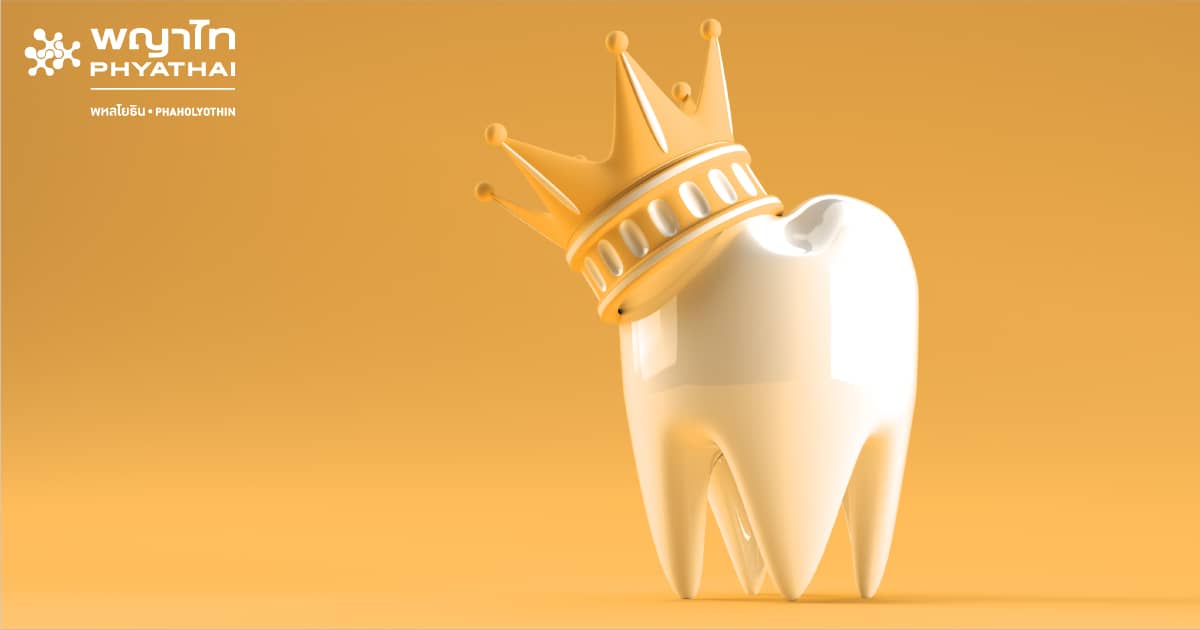
Dental Crown is a process of restoring damaged teeth by reshaping the tooth and covering it with a synthetic material that resembles a ‘cap’ over the natural tooth to enhance strength and improve appearance. Generally, dental crowns are suitable for the following cases:
- Cracked, broken, or worn teeth that cannot be repaired with fillings
- Severe tooth decay resulting in significant loss of tooth structure
- Teeth that have undergone root canal treatment with little remaining tooth structure and need reinforcement
- Used as a base to support a dental bridge to distribute chewing forces and prevent damage to the natural teeth serving as anchors
- To adjust the shape, color, or alignment of teeth for aesthetic purposes
How long do dental crowns last? And factors affecting their lifespan
The lifespan of a dental crown depends on several factors as follows:
- Crown material directly affects durability. Metal alloys are highly durable and can last over 15 years, while porcelain-fused-to-metal and ceramic crowns have an average lifespan of 10-15 years. Zirconia crowns can last 10-20 years. This also depends on care and other factors such as the crown fabrication method.
- Oral hygiene is a crucial factor in extending the crown’s lifespan. Proper brushing, flossing, and avoiding foods that cause stains or damage the crown surface, such as tea, coffee, and high-sugar foods, help reduce premature crown deterioration.
- Chewing habits and tooth usage directly impact crown durability. People with strong bite forces or bruxism (teeth grinding) may experience faster wear or breakage of crowns. Additionally, using teeth for unintended purposes like nail biting, chewing ice, or opening bottle caps can damage crowns.
- Health of natural teeth and gums If the crowned tooth is decayed, has gum recession, or gum disease, it may cause the crown to loosen or affect its retention.
- Skill of the dentist and quality of crown placement Proper tooth preparation and crown placement reduce issues like loose crowns or gaps that can lead to decay under the crown. Using high-quality bonding materials helps the crown fit snugly to the natural tooth and last longer.
When should you replace a dental crown? Signs that your crown is deteriorating
Although dental crowns typically last 5-15 years or longer, you should watch for warning signs indicating the need for a dental check-up or early crown replacement as follows:
Crown deterioration
- Cracked, chipped, or dislodged crown. Small chips may be repairable, but large cracks or a dislodged crown may require replacement.
- Loose or ill-fitting crown. If the crown moves, does not fit tightly, or there is a gap between the crown and gum, it may be due to adhesive failure or changes in the supporting tooth structure, increasing the risk of bacterial infection, decay, and gum inflammation.
- Expired crown. Even if the crown looks normal, if it has been in use for over 10-15 years, you should see a dentist to assess whether it can continue to be used or needs replacement.
Dental and oral health problems
- Sensitivity or pain under the crown, which may be caused by decay beneath the crown or gum inflammation.
- Inflamed or receding gums around the crown, with swelling, redness, or bleeding, which may indicate gum disease.
- Allergic reactions to crown materials such as metal or porcelain causing oral irritation. Although rare, you should consult a dentist promptly.
Discoloration or staining
- Crowns with stains, color changes, or dark marks near the gums, especially metal alloy crowns which may cause dark marks due to reactions with saliva, or porcelain crowns that may develop stains that cannot be removed.
Toothpaste and mouthwash suitable for people with dental crowns
Choosing appropriate oral care products helps maintain the condition of crowns, reduces the risk of decay, gum problems, and overall oral health issues.
Recommended toothpaste
- Use toothpaste with a soft texture and no harsh abrasives to reduce wear on crown margins and prevent damage to crown materials.
- Contains fluoride 1,000-1,500 ppm to help prevent decay, especially around the areas covered by crowns where problems are more likely.
- Avoid whitening toothpaste with high hydrogen peroxide content as it may erode and degrade the crown surface faster.
Mouthwash
- Alcohol-free formulas help reduce gum irritation and prevent dry mouth.
- Contains Chlorhexidine or Cetylpyridinium Chloride to reduce bacterial buildup, bad breath, and prevent gum disease.
Crown care and behaviors to avoid after getting a crown
- Brush with a soft-bristled toothbrush to reduce friction that may wear down crown materials, combined with flossing or using mouthwash to clean between teeth and reduce bacterial buildup. Visit the dentist every 6 months for oral health check-ups, scaling, and crown condition assessment.
- Avoid biting or chewing hard objects such as bones, ice, nuts, nail biting, or opening bottle caps with teeth as these can damage crowns from impact. Avoid chewing excessively sticky or hard foods like gum, caramel, or tough meat, which may cause crowns to loosen or break. If you have bruxism, use a mouth guard to reduce pressure that can accelerate crown wear.
Common problems and impacts after getting a crown
- Gum inflammation or swelling caused by food debris and plaque accumulation around the crown margin, which can develop into periodontitis. If untreated, it may lead to tooth mobility or tooth loss.
- Decay under the crown. Gaps between the crown and natural tooth can harbor bacteria and cause decay.
- Sensitivity or pain under the crown caused by improper crown fitting or decay beneath the crown.
Proper crown care helps keep your teeth strong and beautiful, preventing decay or gum disease. Therefore, it is important to maintain oral hygiene after crown placement and follow your dentist’s advice. Phyathai Phaholyothin Hospital offers dental care and crown services using modern technology and international standards, provided by experienced prosthodontic specialists. Consult us today… for long-lasting dental health.
Dr. Thanapon Noomanoi
Prosthodontic Specialist
Digital Dentistry and Implant Center
Phyathai Phaholyothin Hospital
