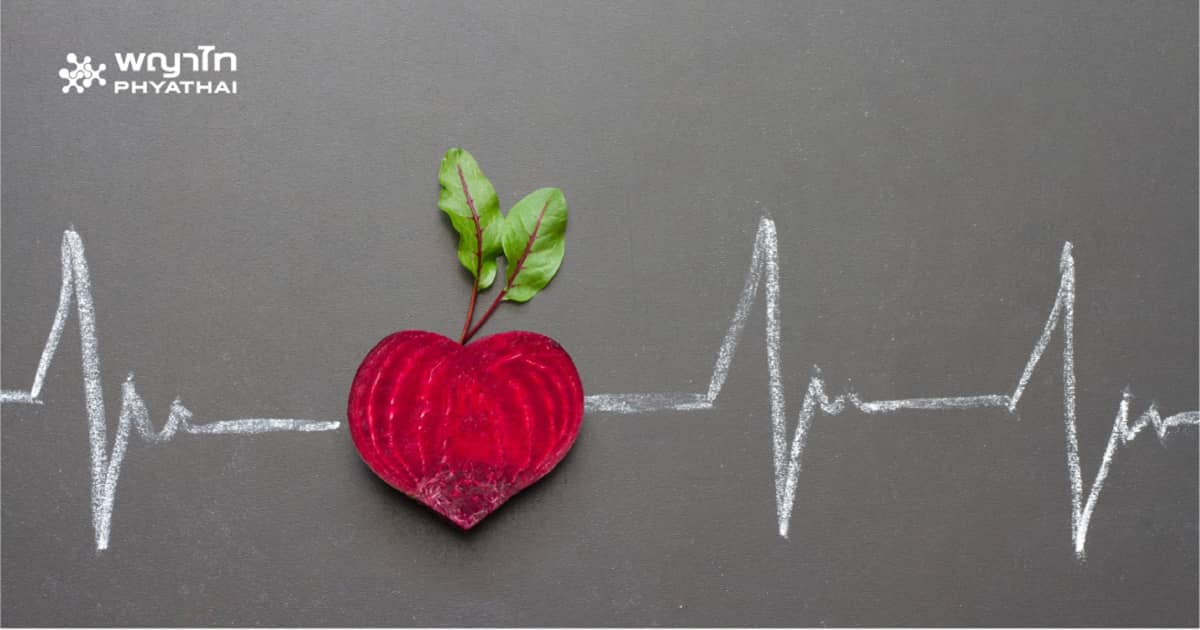
For good heart health:
We should eat fiber-rich foods, abundant in vitamins and minerals, such as fruits and vegetables, into our diet, while reducing our intake of fats, sugars, and salt.
Opt for unpolished rice, commonly known as brown rice, as it retains dietary fiber and a plethora of essential vitamins and minerals.
Choose easily digestible fish, which is rich in essential amino acids and less likely to contribute to plaque buildup in the coronary arteries. Opt for either sea or freshwater fish.
Incorporate cruciferous vegetables like cabbage, brussels sprouts, and broccoli into your diet. These vegetables are rich in fiber and packed with heart-healthy antioxidants.
Consider fresh fruit juices like freshly squeezed orange juice, as they are high in folic acid, which helps lower homocysteine levels—an amino acid linked to heart attacks. Fresh grape juice is another good choice, as it contains flavonoids and resveratrol, which prevent red blood cells from clumping together and causing blockages in blood vessels.
Nuts, including almonds, walnuts, and pistachios, are known to lower the risk of heart disease. Additionally, soy and soy products like tofu, soy milk, and soy sauce can contribute to cholesterol reduction.
Garlic has the ability to inhibit the clumping of red blood cells, which can potentially clog arteries. It is recommended to consume 5-10 cloves of garlic daily.
Bananas are rich in potassium, which can contribute to lowering blood pressure. Other potassium-rich foods like sweet potatoes, baked potatoes, tomatoes, yogurt, and cantaloupe can also be beneficial for blood pressure management.
Include a variety of colorful fruits in your diet for heart health. These fruits provide a range of beneficial nutrients, such as:
- Anthocyanins, found in purple and red-hued fruits like grapes, prunes, red apples, strawberries, rose apples, blueberries, eggplants, and purple cabbage, play a vital role in widening blood vessels and reducing the risk of heart disease.
- Lycopene, present in watermelon and tomatoes, along with the red compounds found in pomegranates and beetroot, including beta-vincin, are all potent antioxidants. These compounds collectively contribute to lowering the risk of coronary artery disease.
- Orange substances like beta-carotene can be found in foods such as papaya, pumpkin, cantaloupe, mangoes, and carrots. These substances help lower blood fat levels.
- Yellow-orange substances found in tangerines and peaches are known to support heart health and reduce the risk of cancer.
It’s advisable to steer clear of meats high in saturated fat, as well as butter and coconut oil, as these can elevate the risk of heart disease. Especially if you have high cholesterol levels, it’s essential to avoid this type of fat.
It’s crucial to stay away from processed foods, including pickled items, as they often contain excessive amounts of sodium. Consuming too much sodium can significantly impact blood pressure levels.
