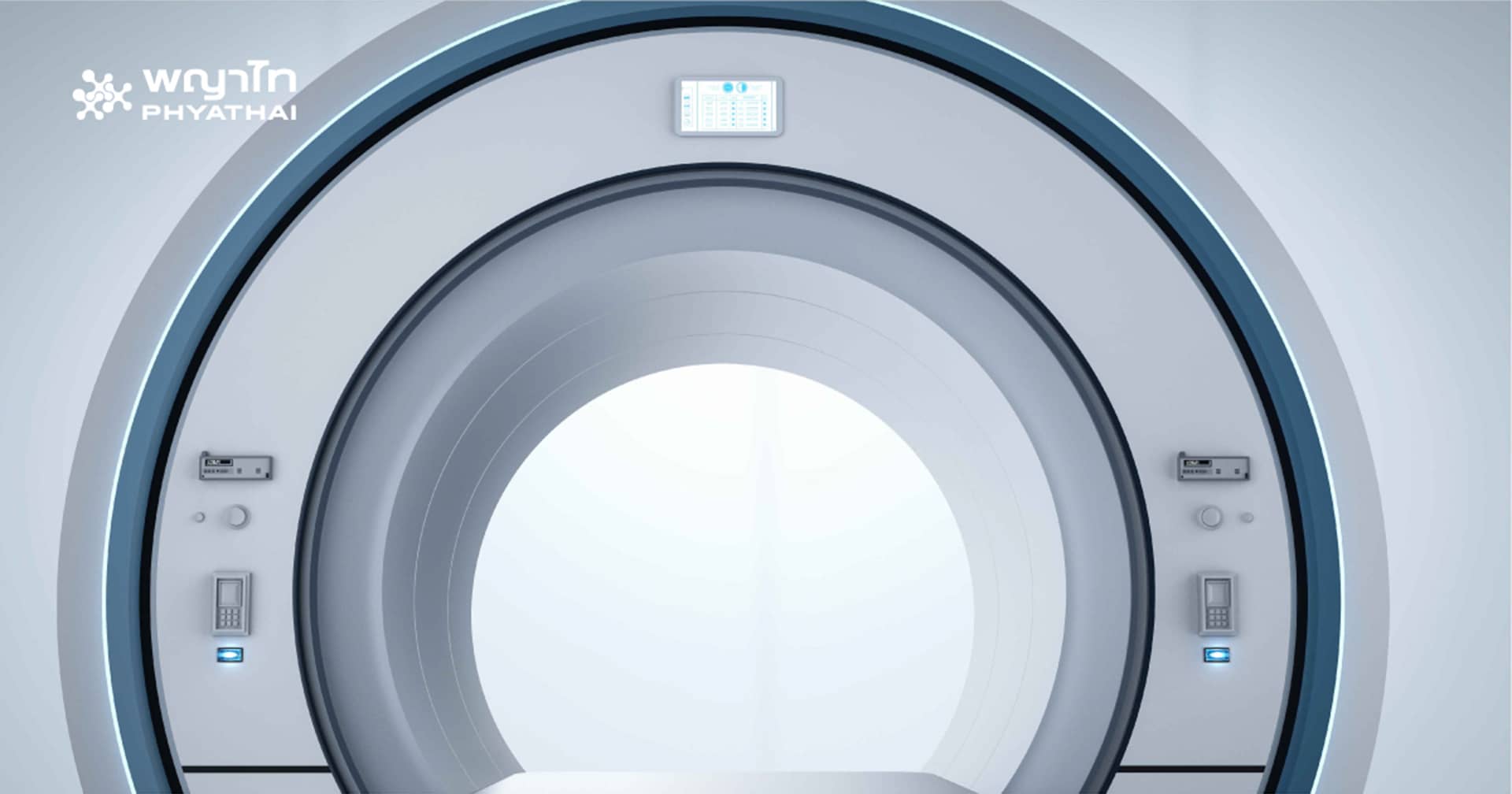
Magnetic resonance imaging (MRI) is a medical technology used to analyze and diagnose diseases. It is a medical imagery technique used in radiology to examine the body and physiology of the body to determine its health and illnesses.
An MRI relies on high-intensity magnetic and radio waves to create realistic images of the internal organs of the body, especially the bones and muscles. It uses precise and high-resolution computer imagery to create clear 3D images. MRI tests can also be administered to different organs of the body such as the brain, heart and joints of the body such as the knees and shoulders when there is suspicion of tearing of the tendons or cartilage inside the joints. This test does not cause any pain to the body and is harmless due to not leaving any residual radiation on the patient.
Which symptoms are suitable for an MRI of the spine?
- Severe neck pain.
- Chronic back pain lasting for several weeks.
- Pain extending to the legs or numbness in the arms or torso.
- Leg atrophy or weakness in the limbs.
- Uncontrollable twitching of the arms or legs.
- Decreased sexual function.
- Urinary or fecal incontinence.
Benefits of MRI of the Spine
An MRI can quickly detect abnormalities and is useful in diagnosing diseases. It can help tell the scope of the disease and allow doctors to make future treatment plans. By providing images with clear differentiation between different types of tissues, it provides for more accurate disease diagnosis without the risks associated with contrast media injection. Importantly, an MRI does not harm tissues due to not using any radiation.
What preparations are needed for an MRI?
Avoid wearing certain types of cosmetics before the test, since they might contain metal, which can create visual artifacts. In addition, you have to remove all metal objects from your body such as earrings and jewelry, and when undergoing an MRI of the area from the brain to the neck vertebrae, it is important to remove dental braces first, since they can affect the clarity of images.
As for fasting from beverages and food, this depends on each person. If the person is prepared, no fasting from beverages or food is necessary. However, in some patients who are uncooperative who require sleep medication or general anesthesia, such as patients who are claustrophobic and cannot remain inside the test chamber, they need to fast for at least 4-6 hours before the test. While the test duration depends on the organ undergoing the test, the average time required is about 30-40 minutes.
