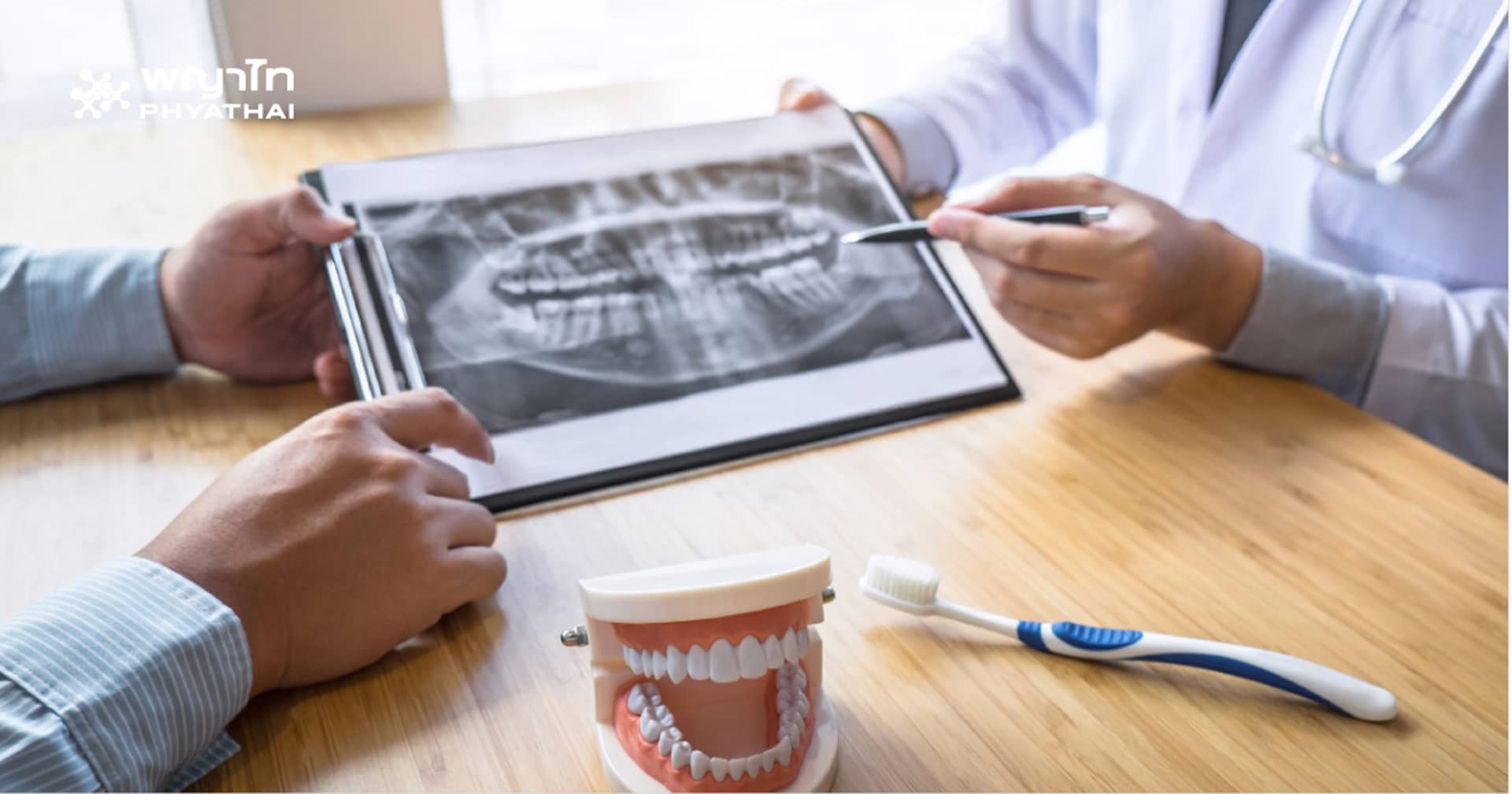
When “oral cancer” is detected, regardless of the location in the oral cavity such as the lips, tongue, cheeks, gums, uvula, palate, floor of the mouth under the tongue, tonsils, jawbone, and upper part of the throat (the most common sites for cancer are the tongue and the floor of the mouth under the tongue), the next step is to prepare for treatment.
The treatment method is mostly surgery, radiation therapy, or a combination of both, depending on the type, size, location of the cancer, and the duration of its occurrence. Chemotherapy may also be given, such as before surgery or radiation therapy in cases where the cancer is large or has spread.
Surgery: The main treatment method for oral cancer
Surgery is the primary treatment for oral cancer, usually used for stages 1-3. The doctor will remove the tumor and the normal tissue surrounding the tumor. In some cases, lymph nodes in the neck may also be removed.
Patients often misunderstand that surgery may affect facial appearance and fear facial deformity, so they refuse surgical treatment. However, modern surgery can be performed with small incisions, and doctors may operate without causing facial deformity. But if left untreated for a long time, the lesion may expand and spread, making treatment more difficult.
Radiation therapy: A treatment method that helps improve your quality of life
Radiation therapy uses radiation to locally destroy cancer cells or the lymph nodes in the neck. It helps patients chew, swallow, and speak normally, reduces suffering, and improves the quality of life for oral cancer patients.
In cases where the lesion occurs on the lips, doctors may choose radiation therapy to preserve facial structure and normal function. However, in some patients, after surgery, if indicated, doctors may continue treatment with radiation therapy and/or chemotherapy to enhance treatment effectiveness at the physician’s discretion. The important thing is to seek treatment promptly and consult a specialist. If the surgical outcome affects daily life, reconstructive surgery is currently available to help patients return to normal life.
Chemotherapy: Enhancing treatment effectiveness
Currently, chemotherapy alone is rarely used because oral cancers tend to be less sensitive to chemotherapy drugs. Doctors usually combine it with surgery and radiation therapy as an adjunct treatment to reduce very large tumors before starting treatment. However, treatment outcomes depend on the type and stage of cancer. Most treatments are effective and help patients live longer, especially those diagnosed at an early or less advanced stage.
