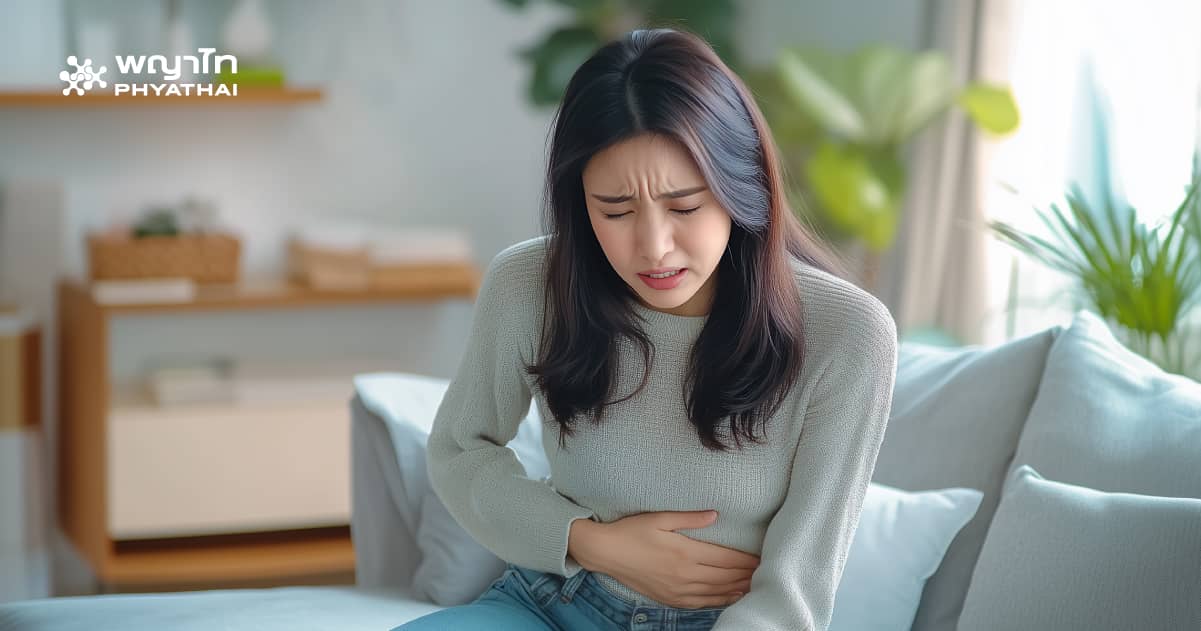
Bloating, indigestion, and abdominal pain every time after eating are symptoms that cause many elderly people with gallstones to suffer and feel annoyed. However, not all elderly people necessarily have gallstones. You can prevent gallstones by knowing the causes and avoiding these behaviors.
Especially in overweight women… the risk is even higher
According to statistics, most people with gallstones are elderly women who are overweight. This is because women tend to accumulate cholesterol fat, which is a component of bile, in large amounts. This causes an imbalance of compounds in the bile, leading to sedimentation and the formation of gallstones.
5 Ways to Avoid Gallstones
Although gallstones can be partly caused by genetics, our own behaviors are the main causes of gallstones. Therefore, what you need to be careful about is…
- Do not eat high-fat and low-fiber foods, which are the main direct causes of fat and cholesterol accumulation in the body. If accumulated for a long time, gallstones will definitely occur in old age. Certainly, drinking a lot of alcoholic beverages also has an effect.
- Do not let yourself become diabetic, as diabetic patients tend to have increased triglyceride levels in the blood, and the gallbladder contracts less in those with high blood sugar, increasing the risk of gallstones.
- Do not let yourself become obese, which is a major risk factor because obesity causes an increase in cholesterol levels in bile.
- Do not lose weight rapidly in a short time because this causes the liver to secrete more cholesterol, and the gallbladder contracts less. Bile stays longer in the gallbladder, increasing the chance of sedimentation.
- Avoid taking birth control pills continuously for a long time or taking hormone replacement therapy for too long because estrogen hormones and pregnancy increase cholesterol levels and reduce gallbladder motility.
If you know you are at risk of gallstones, it is better to change your behavior early rather than not at all if you don’t want to have gallstones causing abdominal pain every time after eating for the rest of your life.
