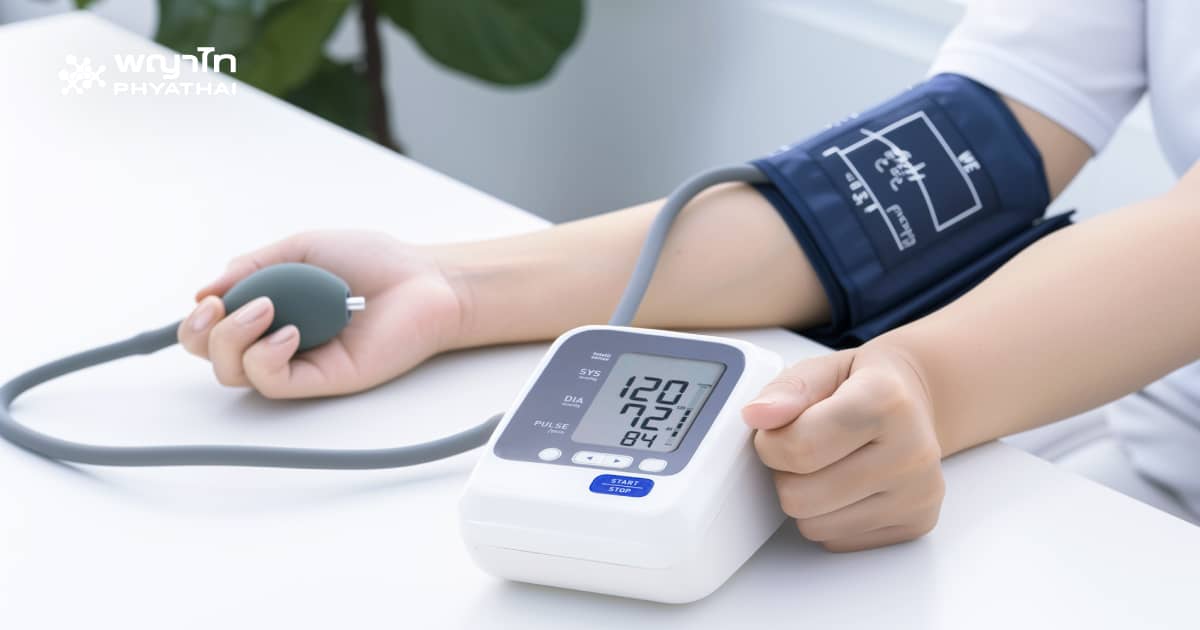
To put it simply, blood pressure is the pressure inside the arteries that indicates the force of blood pumping and the elasticity of the blood vessel walls. For example, when you go to the hospital and have your blood pressure measured, you get two numbers: the upper number and the lower number. The upper number is the pressure when the heart contracts to pump blood to the body, while the lower number is the pressure when the heart relaxes.
What Numbers… Indicate High Blood Pressure?
Generally, for adults, normal blood pressure is around 120/80 millimeters of mercury. But when the upper number rises to 140 millimeters of mercury or higher, and the lower number is 90 millimeters of mercury or higher, that is called high blood pressure. High blood pressure can be further divided into severe and non-severe types, which affect kidney function differently.
How Is Blood Pressure… Related to the Kidneys?
Non-severe high blood pressure refers to an upper number less than 180 millimeters of mercury and a lower number less than 110 millimeters of mercury. At this stage, the blood vessel walls thicken, reducing blood flow to the brain and causing kidney tissue ischemia, which affects kidney function and structure. Severe high blood pressure is when the upper number is 200 millimeters of mercury or higher and the lower number is above 130 millimeters of mercury. At this level, the kidneys lose their ability to protect against high blood pressure, which can lead to acute kidney failure.
The Longer High Blood Pressure Persists, the Faster the Kidneys Deteriorate
High blood pressure increases pressure in the tiny blood vessels in the kidney tissue responsible for filtering urine, damaging the lining of these vessels. The higher the pressure, the more protein leaks into the urine, causing inflammation in the kidney tissue. In more severe cases, complications involving the heart and blood vessels can occur. It is best to control blood pressure close to normal levels, around 120/80 millimeters of mercury, to slow kidney deterioration and reduce serious complications.