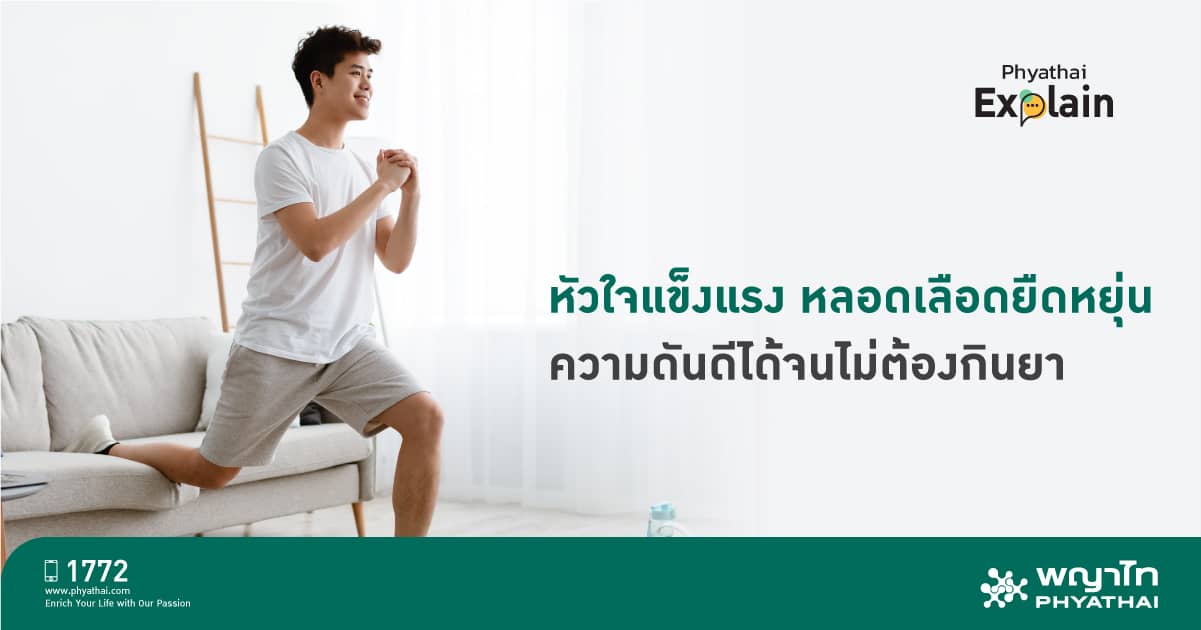
Although “high blood pressure” can occur in people with normal bodies without any illness or disease, we often find that… people with high blood pressure have a higher risk of kidney failure, coronary artery disease, and stroke than the general population.
Whether you smoke or regularly drink alcohol, like eating salty or processed foods high in sodium, or have accumulated stress both consciously and unconsciously, your risk can increase even if you are not overweight. Exercise is one way to reduce the risk and help those with high blood pressure recover well…
#What blood pressure level and symptoms should you watch out for?
If you know you have high blood pressure or often have headaches, dizziness, or unexplained fatigue, you should see a doctor to assess the risk before exercising. If your blood pressure is higher than 180/110 mmHg, doctors usually recommend avoiding exercise for the time being. Instead, adjust your eating and sleeping habits or take medication as prescribed to bring your blood pressure down to a level safe for exercise. You should also consider any other chronic underlying diseases.
#Strong blood vessels and reduced fat unlock health
During exercise, the heart pumps blood more forcefully, and accumulated fat gradually decreases, resulting in more flexible and less brittle blood vessels. As the circulatory system improves and the heart becomes stronger, blood pressure also improves. Mentally… exercise helps reduce stress because the brain releases the happiness hormone dopamine, making the body feel refreshed and energized.
#Prepare a plan and know how to exercise
Once the doctor permits exercise, schedule your workout at least 2 hours after meals. Wear sweat-wicking clothes and choose a well-ventilated place. Be cautious of very hot weather or exercising under direct sunlight. Importantly, gradually increase intensity and duration, always starting with at least 10 minutes of warm-up. When doing resistance exercises like dumbbell lifting, avoid holding your breath, avoid tensing for too long, and change positions slowly to prevent sudden drops in blood pressure. Also, avoid positions where your head is lower than your body.
#Alternate exercises to strengthen the heart and muscles
You should do both aerobic exercises (Aerobic Exercise) and resistance exercises (Resistance Exercise) such as dancing, cycling, swimming, jogging, alternating with dumbbell lifting, push-ups, resistance bands, or gym weight training equipment. You may start with just 10-20 minutes and gradually increase the time each week until you can exercise continuously for 30-60 minutes. Do this at least 3-5 days a week and preferably at the same time each day. If you experience dizziness, lightheadedness, shortness of breath, irregular heartbeat, or muscle fatigue during exercise, slow down gradually and rest but do not stop abruptly. Always cool down for about 10 minutes to allow your body to adjust.
#Recording blood pressure is definitely important
Besides regular blood pressure measurements, you should record the numbers before and after each exercise session, including the type and duration of exercise, to monitor changes and progress. Doctors can use this data to assess the suitability of your exercise routine. If you have a smartwatch that records heart rate, it will further help doctors make a better overall diagnosis.
#When can you stop or reduce blood pressure medication?
When the doctor sees that your blood pressure has dropped to a satisfactory level and your physical condition and related chronic diseases such as coronary artery disease, stroke, diabetes, and blood lipid levels are well controlled, the doctor may consider reducing some blood pressure medications until eventually you can stop taking them as deemed appropriate.
Ultimately… whether you have high, low, or normal blood pressure, exercise always benefits both physical and mental health. However, exercise should be considered in conjunction with your basic health condition. If you are unsure whether you have any hidden problems, you should get a health check-up and consult a doctor first for safety and peace of mind.