What is Blood Pressure?
Blood pressure is the pressure of the blood flow against the walls of the arteries caused by the heart pumping blood. The term ‘high blood pressure‘ is caused by the deterioration of the arteries, which leads to hardening and narrowing of the blood vessels. This condition is an indicator associated with various diseases such as coronary artery disease, stroke, kidney disease, and diabetes.
Are you “Hypertensive”? How is it measured?
To know whether you have high blood pressure, you need to measure your blood pressure with a blood pressure monitor. It is recommended to measure after sitting and resting for at least 30 minutes and after eating, drinking coffee, smoking, or exercising for 1 hour. The blood pressure readings consist of two values:
- Systolic pressure which is the blood pressure when the heart contracts (normal value should not exceed 120 millimeters of mercury)
- Diastolic pressure which is the blood pressure when the heart relaxes (normal value should not exceed 80 millimeters of mercury)
If the systolic pressure is 130 or higher and/or the diastolic pressure is 80 or higher, it is considered early-stage hypertension.
How high must blood sugar be to be diagnosed as diabetic?
A diabetic patient is someone who has a blood sugar level higher than 126 Mg/dL (milligrams per deciliter). The diagnosis must be made by a doctor along with other information such as medical history and symptoms. For patients diagnosed with diabetes, blood sugar levels should be controlled as follows:
- Blood sugar before each meal should be between 80-130 Mg/dL
- Blood sugar 2 hours after eating should be less than 180 Mg/dL
The use of these numerical criteria must be adjusted individually for each diabetic patient, considering age, duration of diabetes, complications, and comorbidities to appropriately modify diet, exercise, and medication.
High blood pressure and blood sugar levels can be reduced
by following the DASH Diet (DASH Diet)
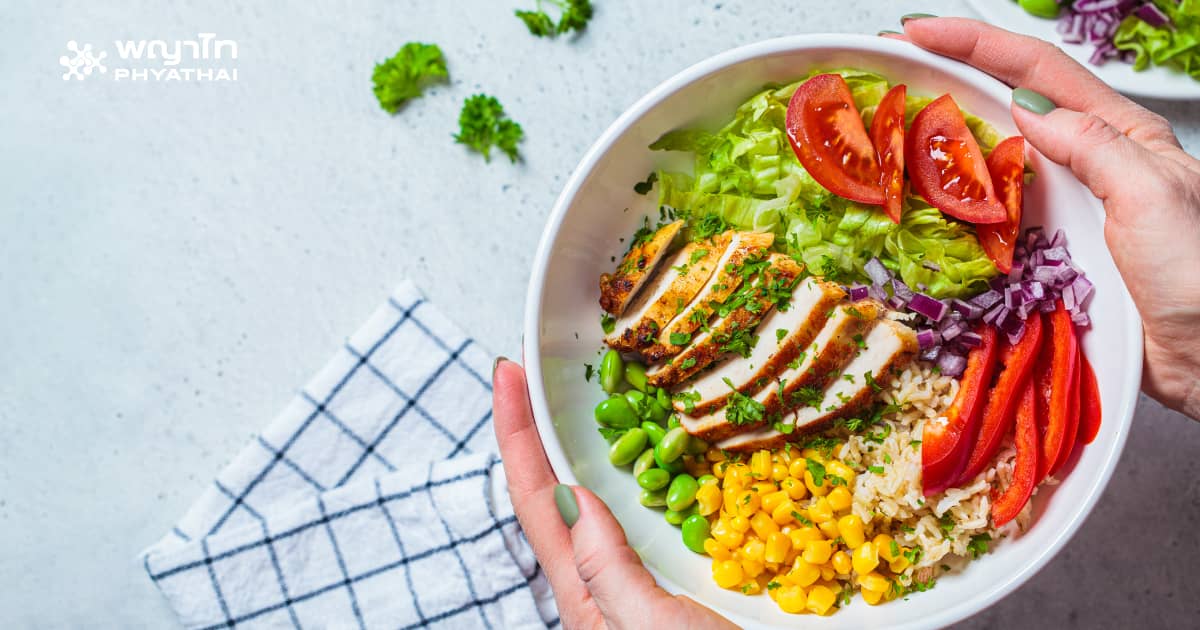
Eating according to the nutritional principles called the DASH Diet (Dietary Approaches to Stop Hypertension Diet) helps both reduce and prevent high blood pressure, as well as control blood sugar levels in those at risk or diabetic patients. The key principles are as follows:
Foods to eat in the DASH Diet style
- Carbohydrates If eating rice, it should be brown rice, red rice, or minimally polished rice, controlling the amount to no more than 5-8 tablespoons per day depending on body weight. If eating bread, it should be whole wheat bread, rye bread, or whole grain bread, and reduce rice intake by 1 tablespoon for every slice of bread to avoid excessive carbohydrate intake per day. Excessive carbohydrate intake increases blood sugar levels and can raise blood pressure.
- Protein Should come from fish or lean meat without skin. All types of meat can be eaten, including red pork, chicken breast, fish, and boiled eggs. For milk, choose skim or low-fat types such as skim cow’s milk or almond milk. Protein should make up 1/4 of the meal portion.
- Vegetables and fruits Should eat both raw and cooked vegetables, as well as less sweet fruits, making up half of each meal. Emphasize more vegetables than fruits because fruits may contain high carbohydrates and sugar
Foods to avoid in the DASH Diet style
- High sodium foods such as processed foods, pickled foods, ready-to-eat or semi-prepared foods, bakery products. Check nutrition labels before buying and choose low sodium options. When cooking, avoid or reduce seasonings such as fish sauce, fermented fish, shrimp paste, sauces, and seasoning powders. The appropriate sodium intake is no more than 2/3 teaspoon (1,500 milligrams) per day.
- High-fat foods such as fatty meats, pork cracklings, fried or stir-fried foods in oil, coconut milk curry. Consumption should not exceed 30% of the meal portion. Use healthy oils for cooking such as coconut oil, olive oil, or rice bran oil. Avoid palm oil and butter. The appropriate oil intake is no more than 6 teaspoons per day.
- High sugar foods such as sweets, sweetened drinks, ice cream, and sweet fruits because they increase accumulated blood sugar. Excess sugar is stored as fat, leading to high blood lipids and eventually high blood pressure. The appropriate sugar intake is no more than 4-6 teaspoons per day.
- Avoid alcoholic beverages because they provide high energy and are unsuitable for both diabetic and hypertensive patients. For those who cannot quit, reduce intake to no more than 1 standard drink, equivalent to about 1 small can of beer or half a glass of wine per day.
In addition to choosing foods that help reduce and prevent high blood pressure and control blood sugar levels in diabetic patients, those with chronic diseases such as chronic kidney disease or liver disease should consult a doctor before changing their diet to ensure safety and avoid adverse effects on their current treatment. They will also receive good dietary advice from their doctor.