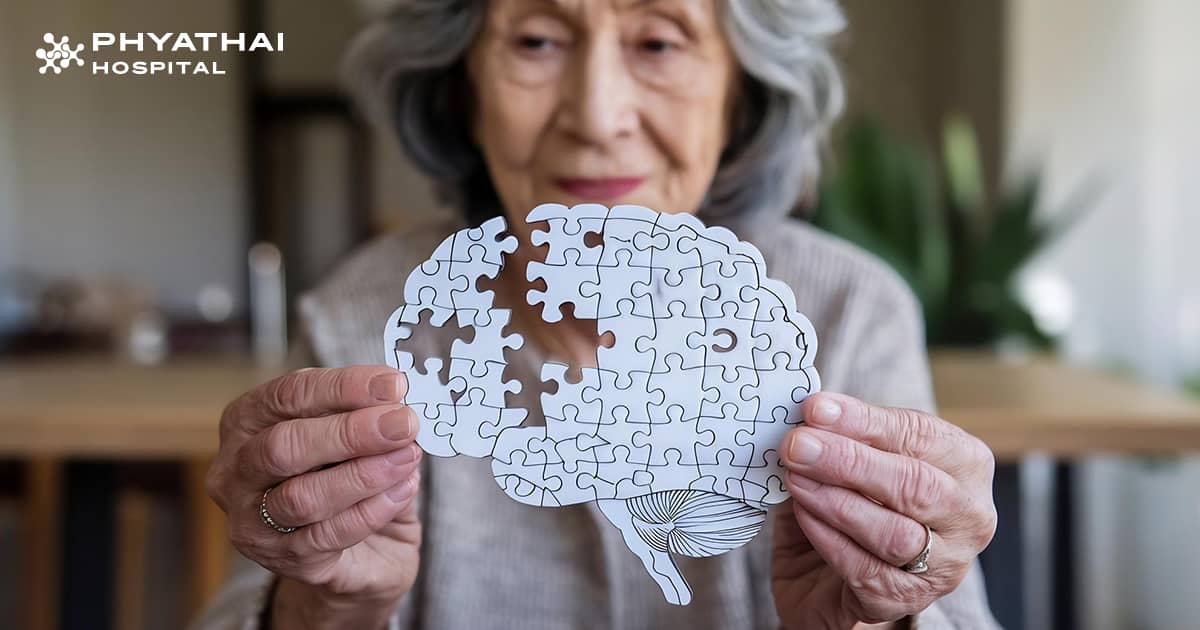
When it comes to your health or the health of a loved one, clarity is the first step toward peace of mind. Alzheimer’s disease is a progressive brain disorder that slowly destroys memory and thinking skills, eventually impacting the ability to perform even the simplest daily tasks.
Key Takeaways
- Alzheimer’s disease is the most common cause of dementia, characterized by the progressive destruction of memory and thinking skills due to amyloid plaques and tau tangles.
- Warning signs include persistent memory loss that disrupts daily life, challenges in planning, and confusion with time or place.
- Alzheimer’s disease stems from a mix of genetic factors (like the PSEN1 gene), age, and lifestyle choices. Managing vascular health is critical for prevention.
- While there is no cure, new disease-modifying immunotherapies (e.g., LEQEMBI) can slow cognitive decline in early-stage patients by targeting amyloid plaques.
Table of Contents
- What is Alzheimer’s disease?
- Symptoms of Alzheimer’s disease
1. Memory Loss That Disrupts Daily Life
2. Challenges in Planning or Solving Problems
3. Difficulty Completing Familiar Tasks
4. Confusion with Time or Place
-
-
- Trouble Understanding Visual Images and Spatial Relationships
- New Problems with Words in Speaking or Writing
-
- What causes Alzheimer’s disease?
- Risk factors of Alzheimer’s disease
- Getting a diagnosis of Alzheimer’s disease
- What are Alzheimer’s disease treatments?
- FAQs about Alzheimer’s disease
1. Can Alzheimer’s disease be prevented?
2. What is life like for a person with Alzheimer’s?
- Alzheimer’s disease at Phyathai Hospital
What is Alzheimer’s disease?
Alzheimer’s disease is a progressive and irreversible brain disorder that serves as the most common cause of dementia. To clarify the distinction between dementia vs Alzheimer’s, dementia is a broad term for cognitive decline, whereas Alzheimer’s is a specific biological disease characterized by the buildup of amyloid plaques and neurofibrillary tangles.
These proteins damage nerve cells (neurons) and disrupt their connections, eventually causing the brain to shrink significantly. This damage typically begins in the hippocampus—the brain’s memory center—often years before the first symptoms of Alzheimer’s are noticed. In clinical settings, the condition is documented under Alzheimer’s disease ICD-10 codes to ensure standardized medical tracking and research.
Symptoms of Alzheimer’s disease

Recognizing Alzheimer’s symptoms early is critical for effective management and planning. While some forgetfulness is a normal part of aging, the symptoms of this disease are persistent and worsen over time.
1. Memory Loss That Disrupts Daily Life
One of the most common early signs is forgetting recently learned information. While occasionally forgetting names or appointments but remembering them later is a typical age-related change, individuals with this disease may ask the same questions repeatedly and increasingly rely on memory aids or family members for tasks they used to handle independently. Memory loss in this context is lasting and eventually affects the ability to function at work or home.
2. Challenges in Planning or Solving Problems
Individuals may experience changes in their ability to develop and follow a plan or work with numbers. This might manifest as trouble following a familiar recipe, difficulty keeping track of monthly bills, or a significant decrease in the ability to concentrate.
3. Difficulty Completing Familiar Tasks
Routine activities can become challenging. This includes trouble driving to a familiar location, organizing a grocery list, or remembering the rules of a favorite game. In advanced stages, people may even forget how to perform basic tasks like dressing or bathing.
4. Confusion with Time or Place
Losing track of dates, seasons, and the passage of time is a major warning sign. Someone living with Alzheimer’s disease may forget where they are or how they got there, and they may have trouble understanding something if it is not happening immediately.
-
Trouble Understanding Visual Images and Spatial Relationships
Vision changes can lead to difficulty with balance, reading, and judging distance. This can cause significant issues with driving or navigating one’s environment.
-
New Problems with Words in Speaking or Writing
Following or joining a conversation can become difficult. Patients may stop in the middle of a sentence, repeat themselves, or struggle with vocabulary, such as calling a “watch a “hand-clock”.
What causes Alzheimer’s disease?
Scientists are still unraveling the complexities of what causes Alzheimer’s disease, but it is generally agreed that it stems from a combination of genetic, lifestyle, and environmental factors.
- Protein Accumulation: The hallmark of the disease is the formation of amyloid plaques (clumps of beta-amyloid protein fragments) and tau tangles (twisted fibers of tau protein). These “clumps” and “tangles” disrupt communication between neurons and the transport of essential nutrients, leading to cell death.
- Genetic Factors: In less than 1% of cases, specific genetic mutations virtually guarantee the disease will develop, often in middle age. This includes mutations in the PSEN1 gene, which is linked to early-onset familial Alzheimer’s. Research into DNA markers of Alzheimer’s also highlights the APOE e4 gene, which increases the risk of late-onset disease, though carrying the gene does not guarantee one will develop the condition.
- Brain Changes: Age-related changes such as brain atrophy (shrinking), inflammation, and mitochondrial dysfunction contribute to the damage of neurons.
- Neuronal Disconnection: The loss of connections between neurons prevents messages from being transmitted between different parts of the brain and to the body’s organs.
Risk factors of Alzheimer’s disease

While some risks are beyond our control, others are modifiable through lifestyle changes.
- Age and Family History: Increasing age is the strongest known risk factor, with the likelihood of diagnosis doubling every five years after age 65. Having a first-degree relative with the disease also increases your risk.
- Heart-Brain Connection: There is a significant link between brain health and heart disease. Conditions that damage the heart or blood vessels, such as arrhythmia and atrial fibrillation, can increase the risk of dementia because the brain depends on a healthy network of blood vessels for nourishment.
- Medical Conditions: High blood pressure, high cholesterol, and poorly managed type 2 diabetes are all linked to a higher risk of cognitive decline.
- Lifestyle Choices: Lack of exercise, smoking, and excessive alcohol use are known to raise risk levels. Conversely, a Mediterranean diet rich in fruits, vegetables, and healthy oils is associated with better cognitive function.
Getting a diagnosis of Alzheimer’s disease
The diagnostic process involves a thorough physical exam, personal and family health history, and cognitive testing. Specialists may use standardized tools like the ADAS-Cog (Alzheimer’s Disease Assessment Scale-Cognitive subscale) to measure the severity of cognitive decline. It is also vital to rule out other treatable conditions that can mimic dementia, such as thyroid problems, vitamin deficiencies, or Parkinson’s disease.
What are Alzheimer’s disease treatments?

While there is currently no known cure for Alzheimer’s disease, significant medical advancements have transformed how we manage the condition. Modern treatment strategies focus on three primary goals: maintaining cognitive function, managing behavioral symptoms, and slowing the underlying disease process.
- Cholinesterase Inhibitors and NMDA Antagonists: These are the standard symptomatic treatments for mild to severe dementia. Drugs like Donepezil and Memantine help regulate neurotransmitters—the brain chemicals that transmit messages between neurons—to temporarily improve memory and thinking skills.
- Disease-Modifying Immunotherapies: A revolutionary shift in treatment has arrived with the LEQEMBI FDA approval (Lecanemab) and Donanemab. These anti-amyloid therapies specifically target and remove amyloid plaques from the brain, effectively slowing cognitive decline in patients who are in the early stages of the disease.
- Behavioral and Psychiatric Management (BPSD): Treatment also involves addressing non-cognitive symptoms like agitation, depression, and sleep disturbances. Physicians may prescribe specific medications for these symptoms while prioritizing non-pharmacological interventions like music therapy or environmental modifications.
- Integrative and Alternative Approaches: While primary medical treatments are essential, research into lifestyle and alternative supplements continues. While some explore the role of Ashwagandha Alzheimer research in neuroprotection, standard medical advice remains focused on evidence-based therapies and a heart-healthy diet to support brain vitality.
FAQs about Alzheimer’s disease
1. Can Alzheimer’s disease be prevented?
Managing 14 modifiable lifestyle risk factors could delay or prevent up to 45% of dementia cases. While genes affect Alzheimer’s risk, lifestyle changes, such as managing heart disease, physical activity, treating hearing loss, and social engagement, are key. Early intervention and maintaining vascular health offer the best protection against cognitive decline.
2. What is life like for a person with Alzheimer’s?
Living with Alzheimer’s disease is a day-to-day journey with varying intensity. In the early stages, people often remain independent but must adapt routines to manage memory loss. As the disease advances, it demands patience, grace, and a strong support network. Crucially, though memory is affected, the person’s need for connection, respect, and inclusion endures.
Alzheimer’s disease at Phyathai Hospital
Alzheimer’s Disease symptoms extend far beyond simple forgetfulness, they involve a progressive decline in reasoning, communication, and the ability to perform daily tasks. Because these symptoms can sometimes mimic other neurological issues, an accurate and early diagnosis is vital.
Phyathai Hospital’s Neurology Center and specialized Memory Clinic provide a comprehensive “one-stop” service for international patients and expats. We offer advanced diagnostics like high-resolution MRI, CT SCAN and ultrasound, care from expert multidisciplinary teams with seamless communication through support for over 15 languages and English-speaking staff, and accessible, international-standard quality medical services.
If you or a loved one are experiencing persistent memory concerns, do not wait for symptoms to worsen. Visit the Neurology Center at Phyathai Hospital today for a professional evaluation and take the first step toward a clearer future.
- Call Center 1772 (press 9 for English Assistance)
- Email: [email protected]
- Facebook Page: Expat Health & Wellness by Phyathai
References
- 10 Early Signs and Symptoms of Alzheimer’s and Dementia. (n.d.). Alzheimer’s Association. https://www.alz.org/alzheimers-dementia/10_signs
- About Alzheimer’s. (2024, August 15). CDC. https://www.cdc.gov/alzheimers-dementia/about/alzheimers.html
- FDA Converts Novel Alzheimer’s Disease Treatment to Traditional Approval. (2023, July 06). the U.S. Food and Drug Administration. https://www.fda.gov/news-events/press-announcements/fda-converts-novel-alzheimers-disease-treatment-traditional-approval
- Mayo Clinic Staff. (2024, November 8). Alzheimer’s disease. Mayo Clinic. https://www.mayoclinic.org/diseases-conditions/alzheimers-disease/symptoms-causes/syc-20350447
