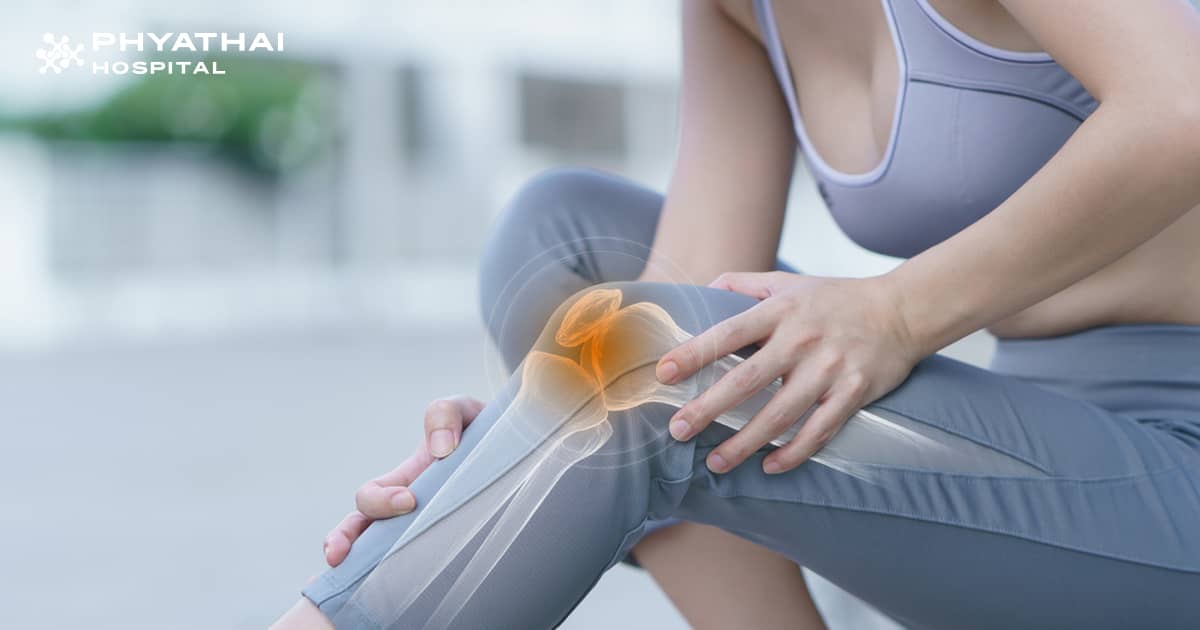
Knee pain is an extremely common issue that affects millions worldwide, stemming from causes as varied as minor sports injuries to chronic conditions like arthritis. This comprehensive guide provides an overview of knee pain, helping you recognize key symptoms, understand the primary causes, and explore available treatment options. By proactively managing your knee health and knowing when to seek professional help, you can take significant steps toward relieving pain and maintaining mobility.
Key Takeaways
- Knee pain is typically caused by injuries (sprains, tears), overuse (repetitive strain), or arthritis (especially osteoarthritis).
- Symptoms of knee pain. be alert for swelling, instability (“giving way”), popping noises, or the inability to fully straighten the knee, as these often require attention.
- Treatment of knee pain ranges from at-home care medications (NSAIDs), and Physical Therapy to support devices (braces) and, in severe cases, surgery (replacement).
- Maintain a healthy weight, strengthen the supporting muscles (quadriceps and hamstrings), and choose low-impact exercises to minimize joint stress.
Table of Contents
- Symptoms of knee pain
- What causes knee pains?
- What are knee pain treatments?
- How can you prevent knee pains?
- Complications of knee pains
- When should I see a doctor?
- knee pain at Phyathai Hospital
Symptoms of knee pain
Knee pain is a common complaint that can affect people of all ages. The specific symptoms you experience often depend on the underlying cause, which could range from a minor injury to a chronic condition like arthritis. Recognizing these signs is the first step toward seeking appropriate care.
The location and severity of knee pain may vary, depending on the cause of the problem. Signs and symptoms that sometimes accompany knee pain include
- Swelling and stiffness: Fluid buildup or inflammation can cause the joint to swell, leading to a restricted range of motion.
- Redness and warmth to the touch: These can indicate inflammation or an infection within the joint.
- Weakness or instability: Feeling like your knee is “giving way” or cannot support your weight suggests ligament or muscle issues.
- Popping or crunching noises (crepitus): These sounds may occur due to damaged cartilage or rubbing bones.
- Inability to fully straighten the knee: This can be a sign of a structural blockage, like a torn meniscus or loose body in the joint.
What causes knee pains?

Knee pain can stem from a variety of sources, ranging from acute injuries to chronic medical conditions. Understanding the potential causes is essential for determining the correct course of treatment. The knee is a complex joint, and pain often signals damage to its structure, including bones, ligaments, tendons, and cartilage. A good knee pain differential diagnosis relies on accurately pinpointing the source of the pain.
- Injuries: Any injury that damages your knee joint can cause pain. Common examples include sprains (damage to ligaments), hyperextensions (stretching the knee beyond its normal range), and meniscus tears (damage to the shock-absorbing cartilage). Pain on the outer side might be lateral knee pain, while pain often felt on the inside of the joint is known as medial knee pain.
- Overuse: Your knees might hurt if you work on your hands and knees or run and jump a lot. Doing the same motion too often can lead to repetitive strain injuries and knee joint pain. This includes tendon knee pain, such as patellar tendinitis, commonly causing anterior knee pain (pain at the front).
- Arthritis: Knee arthritis is very common. Several types can cause knee pain. Osteoarthritis is the most common, resulting from the gradual wear and tear of the joint cartilage, which often worsens with age. Pain felt on the inner side of the knee is often referred to as inner knee pain.
- Referred Pain from Other Joints/Spine: Pain felt in the knee may not always originate there. Issues with the hip joint, such as pain following a hip fracture, can often cause referred pain to the knee. Similarly, compression of nerves in the back, often associated with prior spine surgery or spinal conditions, can manifest as pain, numbness, or tingling in the knee.
To better assess your condition, doctors often use a knee pain location chart to precisely identify where the discomfort is felt. This is a critical first step in the knee pain approach. For example, discomfort specifically localized at the back of the knee is described as pain behind knee or posterior knee pain.
What are knee pain treatments?
Treating knee pain is highly individualized, as the approach depends entirely on the underlying cause and the severity of the symptoms. A healthcare provider will evaluate your condition and recommend a treatment plan that typically starts with conservative methods before considering more aggressive interventions like knee replacement surgery. The goal of treatment is to relieve pain, restore function, and prevent future problems. Here’s knee pain treatment:
- The RICE or MEAT methods: These are simple, at-home ways to manage pain. Your provider will suggest the one that’s best for you. You might need to take a break from certain physical activities to help your knee heal.
- RICE (Rest, Ice, Compression, Elevation) is typically used for acute injuries.
- MEAT (Movement, Exercise, Analgesics, Treatment) may be recommended for chronic issues.
- Medications: Your provider might suggest medications to relieve the knee joint pain and other symptoms. Most people can take NSAIDs (Non-Steroidal Anti-Inflammatory Drugs) or acetaminophen to manage pain and inflammation.
- Physical Therapy (PT): PT can help you strengthen the muscles around your knee to support it better. Increasing your strength and flexibility will reduce pressure on your joint and can reduce pain, providing crucial long-term stability.
- Wearing a knee brace: A knee brace will support your knee and keep it in the right alignment, which can be particularly helpful for instability or certain types of arthritis.
- Knee surgery: You probably won’t need surgery. But you might if you have a ligament tear (like an ACL tear) or a broken bone. Your provider might suggest a knee replacement if you have arthritis that causes severe pain that doesn’t get better after trying other treatments.
How can you prevent knee pains?

Preventing knee pain involves protecting your joints from excess stress and deterioration through smart lifestyle choices.
- Maintain a healthy weight: Every extra pound puts significant strain on your knees, increasing the risk of injury and arthritis.
- Build strength and flexibility: Focus on strengthening your quadriceps (muscles on the front of the thigh) and hamstrings (muscles on the back of the thigh) to provide better joint support, and include regular stretching.
- Practice correct technique: Use proper form during sports and activities to avoid placing undue stress on the knee.
- Choose smart exercise: If you have chronic pain, switch to low-impact activities like swimming or cycling to limit joint wear.
Complications of knee pains
While many instances of knee pain may be temporary, ignoring persistent or severe issues can lead to serious long-term problems. If left untreated, certain knee injuries and chronic medical conditions, particularly osteoarthritis, can cause progressive joint damage, leading to increasing pain and significant disability. Furthermore, a history of even minor knee injuries significantly raises your risk of experiencing similar joint problems in the future.
When should I see a doctor?
Call your doctor immediately if you experience any of the following
- Inability to bear weight or if your knee feels unstable or “gives out.”
- Marked swelling or the inability to fully extend or flex your knee.
- Obvious deformity in your leg or knee.
- Severe pain that is clearly associated with an injury.
- Signs of infection, such as a fever along with redness, increased warmth, and swelling in the joint.
Knee pain at Phyathai Hospital
If you are experiencing severe knee pain, particularly symptoms like marked swelling, instability, inability to straighten the knee, or signs of infection (fever with redness), it is essential to seek expert care.
Phyathai Hospital is a “Partner for Life” healthcare provider, offering international standards of care specifically designed for expats and foreigners living or working in Thailand. Our experienced staff and support team are proficient in English and other foreign languages, ensuring language is never a barrier to your treatment.
- Call Center 1772 (press 9 for ENG)
- Email: [email protected]
- Facebook Page: Expat Health & Wellness by Phyathai
References (3-5 แหล่งอ้างอิง)
- Mayo Clinic Staff. (2023, January 25). Knee pain. Mayo Clinic. https://www.mayoclinic.org/diseases-conditions/knee-pain/symptoms-causes/syc-20350849
- Knee Pain. (2025, July 20). Cleveland Clinic. https://my.clevelandclinic.org/health/symptoms/21207-knee-pain
- Jabeen Begum, MD. (2025, April 18). What Is Knee Pain?. WebMD. https://www.webmd.com/pain-management/knee-pain/knee-pain-overview