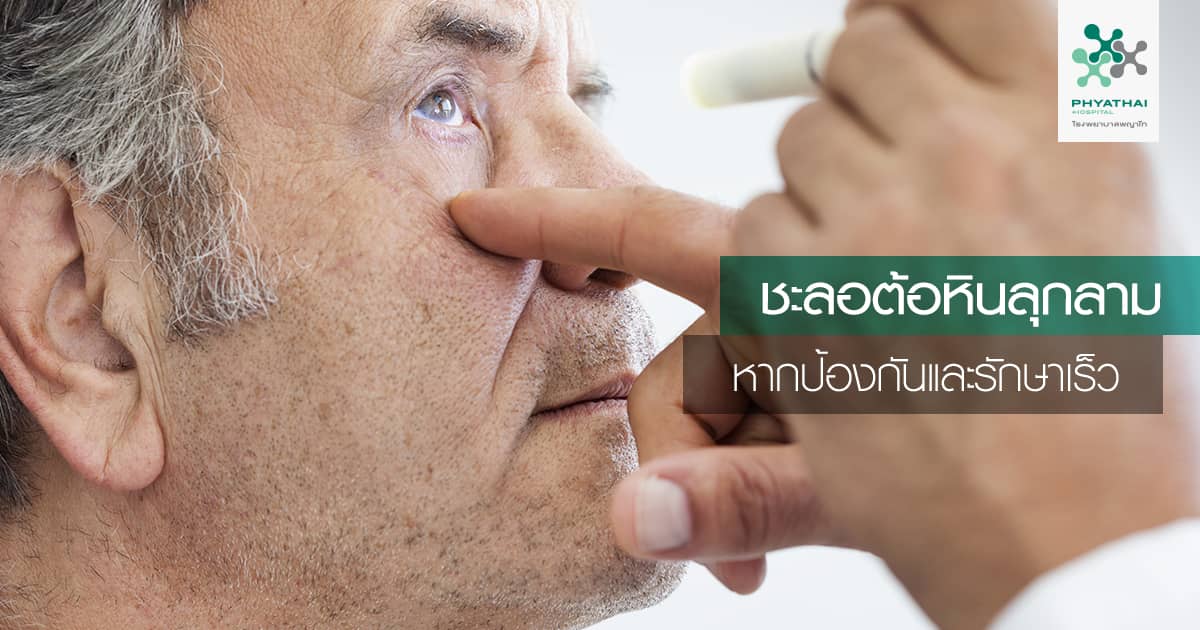
Glaucoma (glaucoma)
Glaucoma is a disease characterized by degeneration of the optic nerve head, where the retinal nerve cells are progressively damaged or deteriorated, resulting in abnormal visual fields and potentially leading to blindness.
Mechanism of Glaucoma
Glaucoma occurs due to abnormalities in the circulation of aqueous humor, causing abnormally high intraocular pressure and damage to the retinal nerve cells.
Risk Factors for Glaucoma
- High intraocular pressure
- Age 40 years and above
- Family history of glaucoma
- Long-term continuous use of steroids
- Eye trauma
- Other risk factors such as severe farsightedness or nearsightedness, thin cornea, diabetes, migraine
Types of Glaucoma
There are various types of glaucoma, such as open-angle glaucoma, closed-angle glaucoma, acute angle-closure glaucoma, congenital glaucoma, and secondary glaucoma.
Symptoms of Glaucoma
- Mostly asymptomatic
- Eye pain, red eyes, light sensitivity, nausea, vomiting, headache, seeing rainbow-colored halos around lights, commonly found in acute angle-closure glaucoma
Diagnosis of Glaucoma
- Eye examination with slit-lamp microscopy
- Measurement of intraocular pressure
- Examination of the angle of the eye
- Examination of the optic nerve head and measurement of nerve fiber thickness using Optical Coherence Tomography (OCT)
- Visual field testing
Glaucoma Treatment
Since glaucoma causes permanent damage to the optic nerve, there is currently no cure. Treatment aims to manage the condition to prevent further optic nerve damage and preserve existing vision for as long as possible, depending on the type and stage of the disease.
- Medication to reduce intraocular pressure to a level that prevents further optic nerve damage
- Laser treatment to reduce intraocular pressure to a level that prevents further optic nerve damage
- Surgery for patients whose intraocular pressure cannot be controlled by medication or laser treatment. This involves creating a new drainage pathway for aqueous humor to reduce pressure or implanting a special device as a drainage tube for aqueous humor
Therefore, individuals with vision problems or who notice abnormalities in their vision should regularly undergo eye examinations by an ophthalmologist to detect and prevent potential eye diseases.
