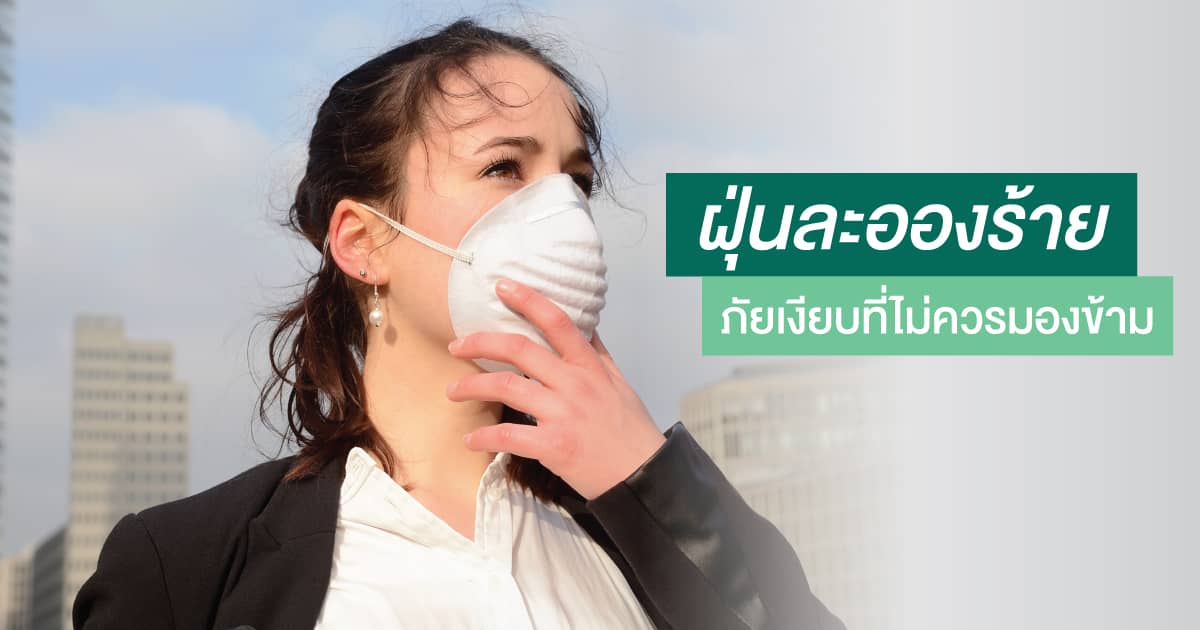
After the event in the sky over Bangkok that looked like a light fog covering the area, the truth is that what we saw was not fog but smoke dust that exceeded the standard limits, as warned by the Pollution Control Department. The impact of this smoke dust can affect the health of both ourselves and our children if not protected against.
Because many small particulate matters cannot be filtered by the human nasal hairs, we inhale them into the respiratory system. The pollution carried by the dust can enter the bloodstream and penetrate the functioning of various organs in the body, increasing the risk of chronic diseases. These particulates come from various sources such as transportation, electricity production, industrial manufacturing, residential and commercial activities, and open waste burning. They include both dust from direct sources and dust formed from the combination of gases and other pollutants in the atmosphere.
The impact of particulate matter can cause serious health effects
- Effects on the heart : Research has shown that exposure to air pollution may cause acute severe events in the heart muscle, including heart attacks, arrhythmias, increased heart rate, and an increased risk of death from sudden cardiac arrest.
- Effects on the lungs and respiratory tract: Air pollution is a cause of lung and respiratory diseases and can exacerbate existing conditions such as asthma, chronic obstructive pulmonary disease (COPD), and lung cancer.
- Effects on the eyes: Causes eye irritation, burning sensation, redness, and conjunctivitis.
- Effects on the skin: Causes skin inflammation, easy irritation, sensitivity to allergies, atopic dermatitis, and various skin problems such as acne, oily skin, wrinkles, dark spots, and dullness.
- Effects on the brain: Long-term exposure to air pollution increases the risk of hardening of the arteries in the brain, high blood pressure, and increased blood viscosity.
When we face smoke dust in the air, we should do the following
Wear masks that can filter particles smaller than 0.3 microns. Reduce the time spent outdoors and avoid areas with unsafe air pollution levels, especially along busy main roads or construction sites.
If you experience severe coughing, shortness of breath, irritation in the respiratory tract, difficulty breathing, or fatigue after being in an area with smoke dust, you should see a doctor immediately.
Dr. Weeradej Suwannalak
Specialist in Internal Medicine, Respiratory Diseases
and Critical Respiratory Conditions
Internal Medicine Center, Phyathai 1 Hospital
