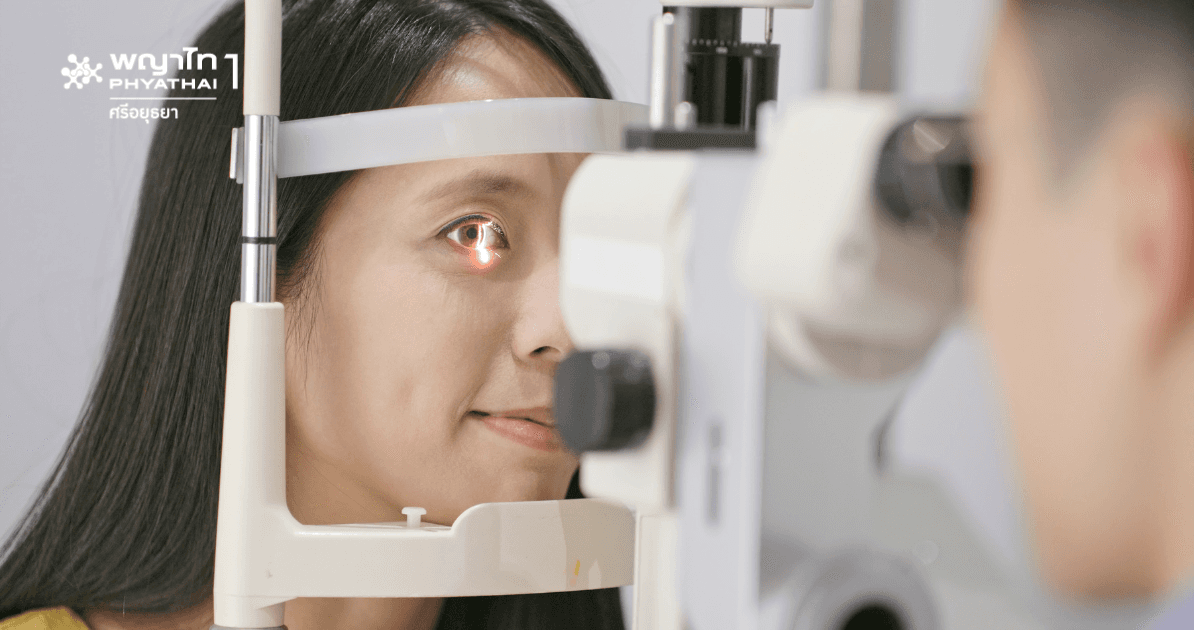
Cornea is the frontmost part of the eye that allows clear vision.
The main function of the cornea is to refract light entering the eye to enable clear vision. The cornea also helps protect the eye from dust and pathogens.
Corneal Diseases are abnormalities or inflammations that occur in the cornea, which is the transparent outermost layer of the eye. Corneal diseases can severely affect vision if not properly treated. Common types of corneal diseases include:
Corneal Abrasion
- Characteristics: Caused by injury to the outermost layer of the cornea.
- Causes: Often caused by scratching, contact with foreign objects, improper use of contact lenses, or chemical exposure to the eye.
- Symptoms: Eye pain, redness, blurred vision, tearing.
- Treatment: Use of eye drops.
Corneal Ulcer
- Characteristics: Ulceration of the cornea caused by infection or injury, leading to corneal inflammation or improper use of contact lenses.
- Causes: Infection caused by bacteria, fungi, or viruses.
- Symptoms: Blurred vision, eye pain, redness, discharge.
- Treatment: Use of antibiotic eye drops or corneal transplant surgery in severe fungal infections.
Keratoconus
- Characteristics: The cornea gradually thins and bulges outward, causing blurred vision.
- Causes: Genetic factors and other risks such as prolonged vigorous eye rubbing.
- Symptoms: Blurred vision, seeing halos around lights.
- Treatment: Use of special contact lenses, ring implantation surgery, or corneal transplant in severe cases.
Corneal Degeneration
- Characteristics: Degenerative changes in the cornea.
- Causes: Genetic inheritance, aging, leading to accumulation of proteins or fats in the cornea.
- Symptoms: Blurred vision, unclear sight.
- Treatment: Use of eye drops, corneal transplant surgery.
Corneal Edema
- Characteristics: A condition caused by fluid accumulation in the cornea due to a decrease in corneal cells, reducing fluid discharge from the cornea, resulting in swelling and blurred vision.
- Causes: Decreased function of inner corneal cells and aging degeneration.
- Symptoms: Blurred vision, especially in the morning.
- Treatment: Eye drops to reduce swelling, corneal transplant surgery in severe cases.
Dry Eye
- Causes: Insufficient tear production or abnormal tear quality.
- Symptoms: Burning sensation, eye irritation.
- Treatment: Use of artificial tears.
Treatment of Corneal Diseases
Treatment of corneal diseases varies depending on the type and severity of the condition, including the use of eye drops, special contact lenses, or surgery such as corneal transplant.
Prevention of Corneal Diseases
- Avoid direct contact with the eyes using unclean hands.
- Maintain cleanliness of contact lenses.
- Wear sunglasses to protect the cornea from UV light.
- Avoid vigorous eye rubbing.
- Protect the eyes from dust and foreign objects by wearing glasses or protective equipment when working in environments with risk of foreign objects entering the eyes.
Treatment and prevention of corneal diseases require diagnosis by a corneal specialist ophthalmologist to reduce the risk of vision loss.
If any abnormal symptoms occur related to the eyes, consult an ophthalmologist for timely diagnosis and appropriate treatment for healthy eyes and good vision.
