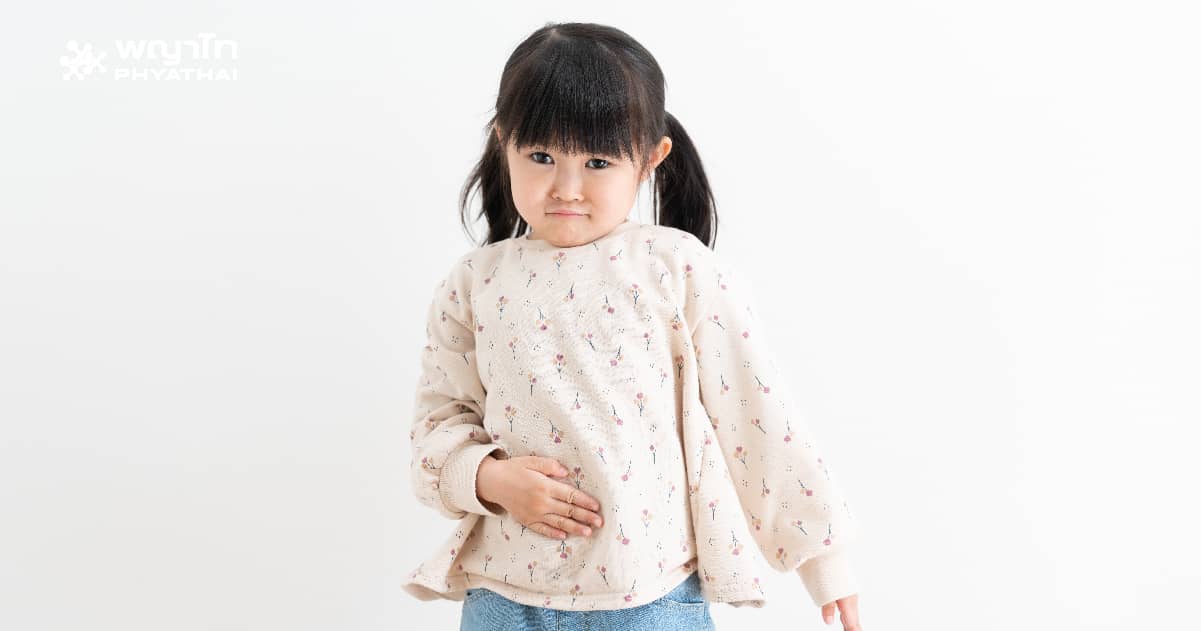
What are the main causes of constipation?
More than 90% of cases are caused by bowel habits. Children often hold in their stool, lack discipline in using the bathroom, or may have a diet low in fiber. Nowadays, fast food is easily accessible, so children tend not to eat vegetables and fruits. Additionally, drinking little water causes stools to harden, leading to constipation.
Signs of constipation when your child has infrequent bowel movements
It is easy to observe when your child has fewer than 2 bowel movements per week for more than 2 weeks. During defecation, the child may strain for a long time and sometimes experience bloating and abdominal fullness. If left untreated, the child may start to feel pain around the anus, possibly with cracks or swelling, and stools may contain blood. If the child strains to pass large, hard stools, it may cause anal fissures. When the anus is injured, the child may avoid using the bathroom, leading to chronic symptoms.
When your child has chronic constipation…
When your child develops chronic constipation, you should take them to see a doctor for treatment. The doctor will first perform anorectal manometry to assess the function of the large intestine and anal sphincter to diagnose the cause of chronic constipation. If it is caused by a segment of the distal large intestine lacking nerve cells from birth, surgery is the only cure.
Prevent your child from constipation starting at home
Did you know… breast milk is the best nutrition to help prevent constipation in your child? But when your child is over 6 months old, you can give fruit juice, vegetables, vegetable broth, and children over 2 years old can be trained to have bowel movements after breakfast every meal for 10-15 minutes and drink plenty of water after waking up to develop a habit. Also, provide plenty of fiber-rich vegetables and fruits such as ripe papaya, ripe banana, and oranges because fiber helps soften stools and makes bowel movements easier. Yogurt, honey, lemon juice, tamarind juice, and prune juice also help.
