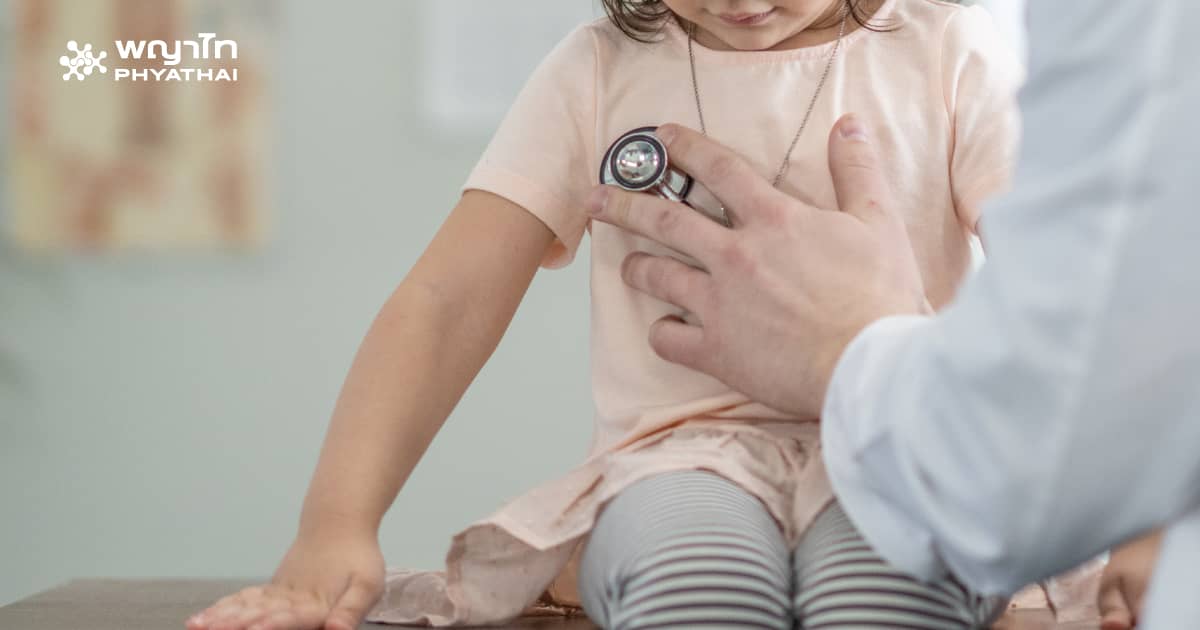
Pneumonia is medically known as infectious pneumonia or pneumonitis. It is an infection of the lungs, mostly caused by viruses and bacteria. It can also be caused by other types of infections such as mycoplasma and fungi, which cause symptoms like coughing, difficulty breathing, and shortness of breath.
How is pneumonia in children transmitted?
Pneumonia, whether in children or adults, can be transmitted through breathing, which directly introduces pathogens into the lungs by inhaling air containing infectious droplets, especially in crowded places such as classrooms, movie theaters, daycare centers, refugee centers, hotels, dormitories, military barracks, or prisons.
Patients with infectious pneumonia can spread the infection. Children who carry the pathogen without symptoms can also be carriers and spread the infection, so special caution is needed, especially in preschool daycare centers.
Symptoms of pneumonia to watch for
Pneumonia symptoms may include fever, cough, rapid breathing, shortness of breath, difficulty breathing, flaring nostrils, or severe breathing difficulty causing chest retraction. If the bronchial tubes inside the lungs narrow, wheezing may occur. Severe cases may lead to heart failure, and prolonged breathing difficulty can cause oxygen deprivation, leading to drowsiness or loss of consciousness.
How is pneumonia generally treated?
- It is recommended to drink plenty of fluids. For patients who are very short of breath and cannot eat, intravenous fluids should be given, and oral intake should be avoided to prevent aspiration.
- Provide oxygen to ensure the body receives an adequate amount of oxygen.
- Administer bronchodilators for patients with bronchial narrowing causing wheezing.
- Consider giving expectorants or mucolytics if adequate fluid therapy has been given but mucus remains thick. Cough suppressants should not be given, especially to children under 5 years old, because suppressing cough can cause mucus to accumulate in the alveoli. Patients should be encouraged to cough effectively to expel as much mucus as possible.
Treatment of pneumonia according to the type of pathogen
- If caused by a viral infection, there is generally no specific antiviral treatment. Most treatment is symptomatic and includes appropriate respiratory therapy such as chest physiotherapy and suctioning of mucus. In cases where the virus is one with specific antiviral treatment, such as influenza virus, doctors may consider prescribing antiviral medication for influenza.
- If caused by bacterial infection, treatment with antibiotics should be started as soon as possible, selecting antibiotics appropriate for the specific bacteria based on clinical epidemiological data.
Preventing your child from pneumonia
- Avoid crowded places such as shopping centers and movie theaters, especially do not take young children to these places.
- Avoid cigarette smoke, fire smoke, vehicle exhaust fumes, or cold air.
- Do not allow children under 1 year old and those with poor health to be close to patients.
- It is recommended to get the influenza vaccine.
- It is recommended to get the vaccine against IPD (Invasive Pneumococcal Disease), a severe disease caused by bacterial infection of Streptococcus pneumoniae, which can cause pneumonia. This vaccine helps prevent infection and reduce the severity of the disease.
