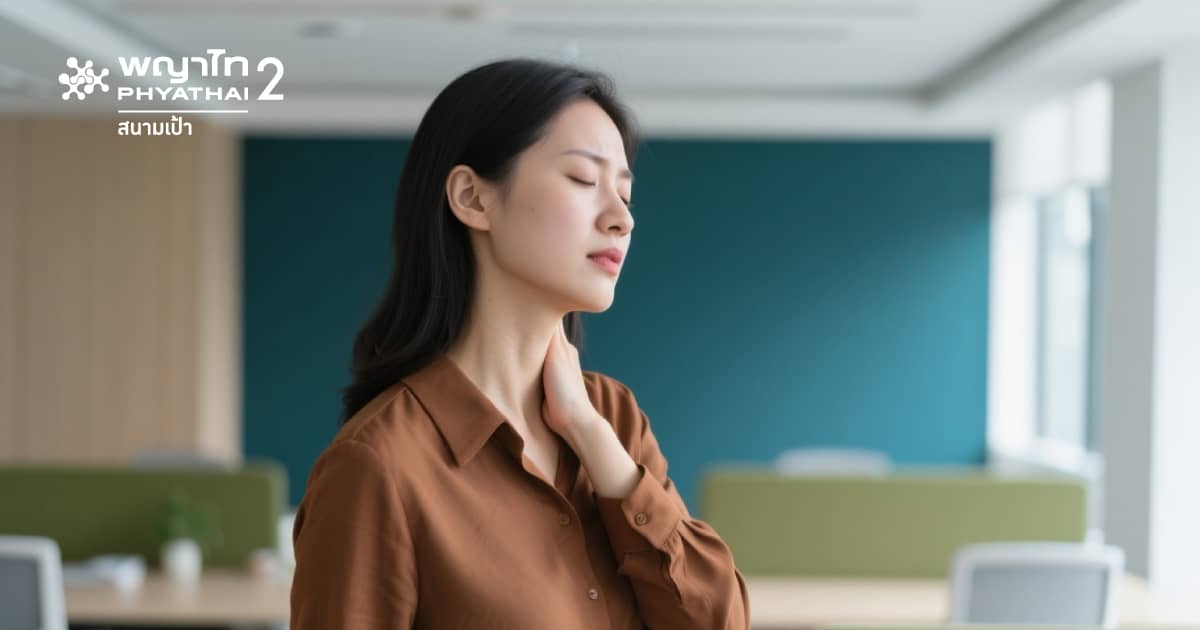
What is Cervical Spondylosis?
Cervical Spondylosis is a condition where the intervertebral discs and joints in the neck degenerate, usually due to aging, improper use, or chronic injury. This results in symptoms such as neck pain, radiating pain to the arms, or even numbness radiating down the arms.
Cervical spondylosis is commonly found in people aged 40 and above, with an increasing trend as age advances.
Symptoms of Cervical Spondylosis
- Stiffness or deep pain in the base of the neck
- Radiating pain to the shoulders, arms, or hands
- Numbness or weakness in the arms and hands
- Difficulty moving the neck or a crunching sound when turning the neck
- Dizziness or lightheadedness in some cases
- In severe cases, symptoms may include unsteady walking and urinary incontinence
Warning Signs
If you have chronic neck pain or numbness and weakness in the arms or legs, you should see a doctor for diagnosis immediately.
Causes of Cervical Spondylosis
- Aging Wear and tear of bones and intervertebral discs over time
- Abnormal posture such as bending the neck to use a phone for a long time (Text Neck Syndrome)
- Accidents such as impact or injury to the neck
- Genetics Family history of this disease
- Repetitive work such as work that requires constant neck bending
Diagnosis of Cervical Spondylosis
Doctors will ask about symptoms, perform a physical examination, and may order additional tests such as
- Neck X-ray
- MRI to assess the condition of the intervertebral discs and nerves
- Electromyography (EMG) in some cases
Treatment of Cervical Spondylosis
1. Non-surgical treatment
- Rest the neck and reduce bending and extending
- Physical therapy to strengthen neck muscles
- Use of neck support devices (Soft Collar) at certain times
- Medication such as pain relievers and muscle relaxants
2. Surgical treatment
If non-surgical treatment is ineffective or symptoms are severe, such as arm weakness or difficulty walking, surgery may be considered, including
- Surgery on the cervical intervertebral discs
- Surgery to relieve nerve compression
- Surgery to fuse cervical vertebrae
Prevention of Cervical Spondylosis
- Adjust sitting and standing posture correctly; avoid prolonged neck bending
- Exercise to strengthen neck and back muscles
- Choose a suitable pillow that is neither too high nor too low
- Avoid carrying heavy loads or carrying items on one side only
- Maintain body weight within a normal range
Cervical Spondylosis may seem minor at first, but if left untreated, it can affect daily life. Being aware of the symptoms, causes, and prevention methods can help reduce risks and maintain a healthy neck effectively for a long time.
If you suspect you may have cervical spondylosis do not delay; consult a specialist for proper diagnosis and treatment.
At the Bone and Joint Institute, Phyathai Hospital 2, we have a team of spine specialists ready to provide consultation and targeted treatment for neck pain using advanced medical technology that emphasizes both quality and value. Patients can customize their treatment plans appropriately with international standards to ensure comprehensive, attentive, and suitable care at every step.
