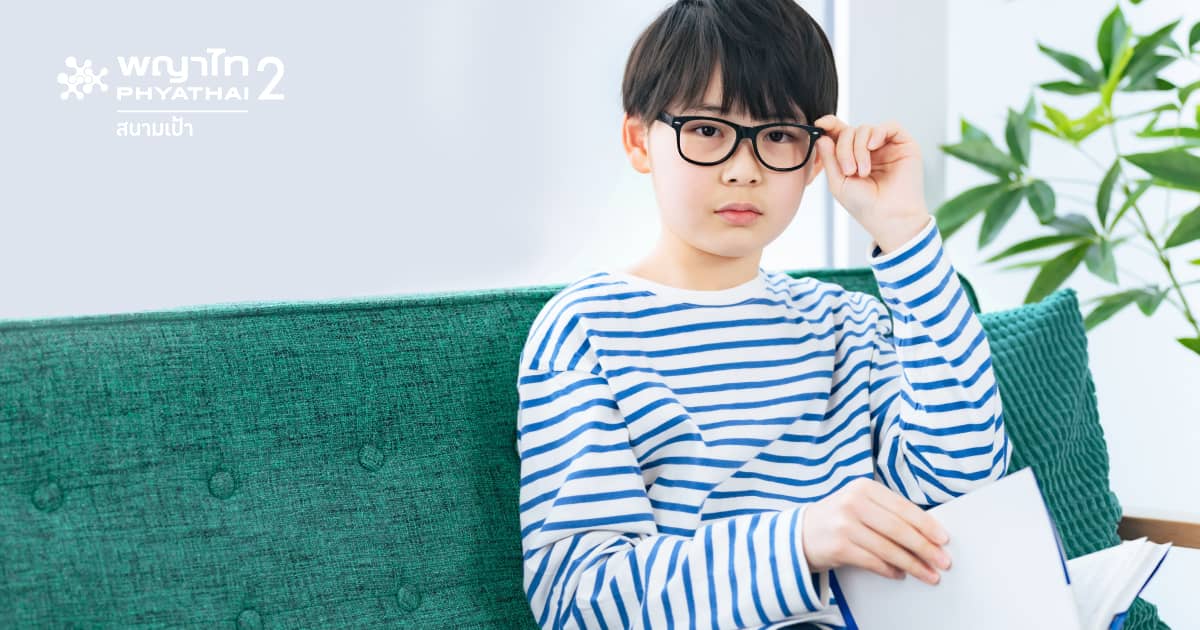
Myopia, or nearsightedness, is a common vision impairment where nearby objects are seen clearly, but distant objects appear blurry. This condition occurs when the eye is too long or the cornea is too curved, causing light to focus in front of the retina instead of directly on it.
Causes of Myopia in Children
Myopia in children often develops during school years and adolescence. While the exact cause is not entirely understood, it is generally attributed to genetic and environmental factors. Key causes include:
- Genetic Factors: If one or both parents are nearsighted, the likelihood of the child developing myopia increases.
- Close-up Activities: Engaging in activities requiring close vision, such as reading, writing, and prolonged use of electronic devices, may contribute to increased myopia.
- Lack of Outdoor Activities: Studies suggest that children who spend more time outdoors have a lower risk of developing myopia. This may be due to exposure to natural light and viewing distant objects, which helps slow myopia progression.
Symptoms of Myopia in Children
The primary symptom of myopia is blurry vision when looking at distant objects. Other common symptoms include:
- Squinting to see more clearly
- Eye strain, discomfort, and headaches
- Difficulty seeing the board in a classroom
- Sitting close to the television or movie screen
Importantly, if myopia affects only one eye while the other remains normal, children may not show noticeable symptoms. Regular eye check-ups are crucial to prevent future complications, such as amblyopia, or lazy eye.
Diagnosis of Myopia
A thorough eye exam is necessary to diagnose myopia, typically including:
- Visual Acuity Test: Reading letters, numbers, or images on a distance chart to assess clarity.
- Anterior Eye and Retinal Examination: Using light to inspect the eye for other abnormalities and checking retinal reflection.
- Automated Refraction Test: Determines initial eye measurements, with further tests for axial length to monitor myopia control.
- Cycloplegic Eye Drops: Temporary muscle relaxation via eye drops, useful for children under 10-12 years, helps obtain accurate refraction readings by reducing the eye’s focusing effort.
Preparation for Cycloplegic Eye Drop Examination in Children:
- Report Any Drug Allergies: If the child has any drug allergies, especially to cycloplegic medications, inform the doctor beforehand.
- Mental Preparation: Explain the process to the child so they understand that the eye drops may cause a stinging sensation. The effect lasts around 24–72 hours, during which near vision may be blurred (typically, the effect lasts about 24 hours). This helps the child feel more comfortable and less afraid.
- Prepare for Waiting Time: Since it takes time for the drops to take full effect, parents should be ready with activities or toys to keep the child occupied while waiting, which can take around 30–40 minutes. The entire process, including drop application, waiting time, and the eye examination, may take over an hour.
The use of cycloplegic eye drops is a safe and effective procedure to ensure accurate eye assessments for children, aiding in proper diagnosis and treatment.
Slowing Myopia Progression in Children
While myopia is irreversible, several methods can help slow its progression:
- Increase Outdoor Time: Encourage at least two hours of outdoor activity daily to reduce myopia progression risk.
- Limit Close-up Activities: Reduce close-up work time and take regular breaks, following the 20/20/20 rule: every 20 minutes, take a 20-second break to look at something 20 feet (6 meters) away.
- Low-Dose Atropine Drops: Daily application of low-concentration atropine eye drops before bed can slow myopia progression. Continuous use for at least two years is generally recommended, with close monitoring for rare side effects like light sensitivity or blurry near vision.
- Specialized Myopia-Control Glasses: Technologies like DIMS (Miyosmart by Hoya) and HALS (Stellest by Essilor) lenses are designed to slow myopia progression by properly directing light onto the retina.
- Orthokeratology (Ortho-K) Lenses: Special overnight contact lenses temporarily reshape the cornea to reduce myopia during the day. These require regular monitoring for dry eye or inflammation risks.
- Multifocal Contact Lenses: These help slow myopia by correcting central vision while using the outer lens regions to reduce progression (not currently available in Thailand).
- Red Light Therapy: A device emitting red light for specific durations has shown potential for slowing myopia in studies, though research in Thailand is ongoing to verify effectiveness.
Combined Approaches
Combining treatments, such as atropine drops with myopia-control glasses or Ortho-K lenses, has shown better results than single treatments.
Despite the variety of methods available, regular single-vision glasses or blue light-blocking lenses do not help slow myopia, and under-prescribing lens power can actually accelerate myopia progression.
Supporting Children’s Vision Health
The best approach is a cooperative effort between children and parents. While results may take years, consistent care aims to reduce risks of severe myopia complications, such as retinal detachment, macular degeneration, and early-onset cataracts. LASIK only corrects vision without reducing long-term myopia complications.
Ensuring children have healthy vision supports learning, development, and creativity. Intervening early during childhood offers the best chance to effectively slow myopia progression.
