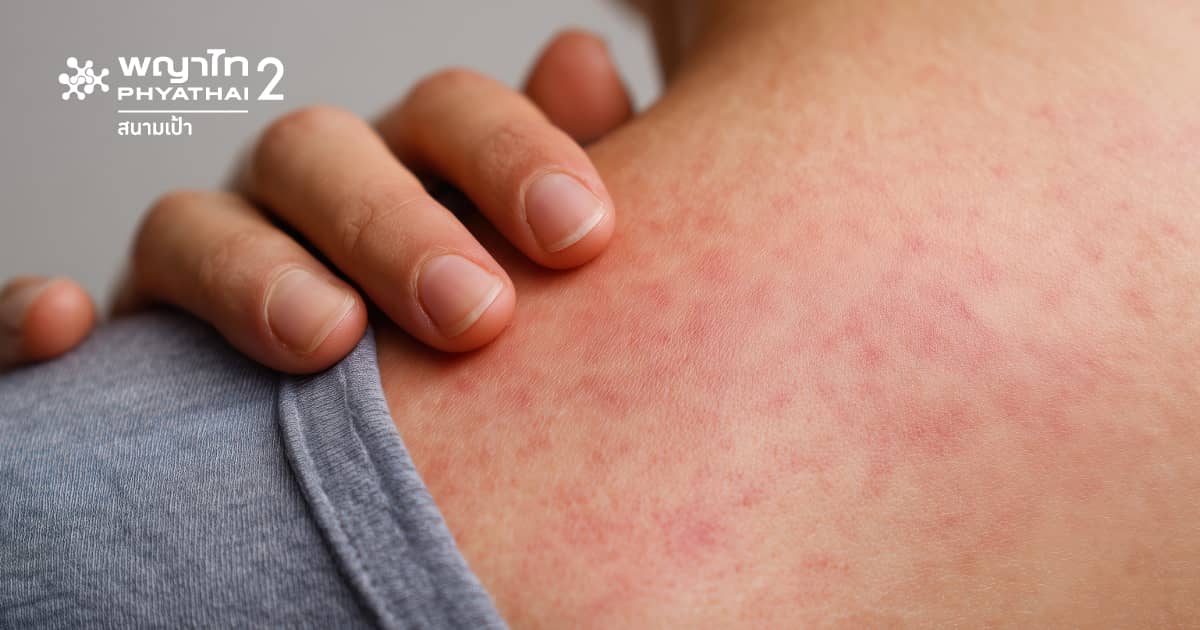
Measles is not just about “rash” but a respiratory infectious disease more severe than many people think. Although there is a vaccine available today, measles remains a leading cause of death in young children worldwide. This article will delve into every aspect to help you understand this disease before it’s too late.
What is Measles and What Causes It?
It is caused by a virus from the Paramyxovirus group, which is highly contagious. The virus resides in the nose and throat of the infected person and can be transmitted through
- Coughing or sneezing
- Contact with airborne droplets; the virus can remain suspended in the air for up to 2 hours
- Direct contact with the patient’s secretions
Check Symptoms of “Measles” and How It Differs from the Common Cold?
Symptoms of measles usually appear about 10-14 days after exposure and are divided into 3 important stages:
1. Prodromal Stage: The patient shows symptoms similar to the flu
-
- High fever (may reach up to 40°C)
- Dry cough, runny nose
- Red eyes (Conjunctivitis) and sensitivity to light
- Koplik’s Spots: small white-gray spots resembling grains of sand inside the cheek, a specific sign of measles
2. Exanthem Stage (Rash Stage)
After 3-5 days of fever, a flat red rash (Maculopapular rash) begins to appear
-
- On the hairline, behind the ears, and face
- Spreading down to the trunk, arms, and legs
- When the rash appears, the fever usually peaks
3. Recovery Stage
The rash gradually turns dark brown and peels off. The fever subsides within 3-4 days after the rash appears.
Comparison: Measles vs Influenza – What Are the Differences?
| Symptom Characteristics | Measles | Influenza |
| Rash | Red rash all over the body, starting from the face | Usually no rash |
| Eye Symptoms | Prominent red eyes, light sensitivity | Eye socket pain |
| Specific Sign | White spots in the mouth (Koplik’s Spots) | None |
| Severity | Risk of brain/lung complications | Risk of pneumonia |
Complications to Watch Out For
The danger of measles is not the rash itself but the complications which can be life-threatening.
- Middle ear infection is the most common in children
- Pneumonia, the most common cause of death from measles
- Encephalitis occurs in 1 in 1,000 cases, leading to permanent disability
- Severe diarrhea leading to dehydration
Treatment and Patient Care
Currently, there is “no specific medicine to treat measles.” Treatment focuses on supportive care.
- Reduce fever by wiping the body and using fever reducers (avoid aspirin in children)
- Drink plenty of fluids to prevent dehydration
- Supplement with Vitamin A as recommended by a doctor to reduce disease severity
- Isolate the patient to prevent spreading the virus to others
The Best Prevention Method: MMR Vaccine
The most effective way to prevent measles is to receive the combined measles-mumps-rubella (MMR) vaccine. The Thai Ministry of Public Health recommends two doses:
- 1st dose: at 9-12 months of age
- 2nd dose: at 1 year 6 months (or 2 and a half years old)
Advice for adults: If unsure whether you have been vaccinated or had measles before, consult a doctor for immunity testing or booster vaccination.
Measles is a vaccine-preventable disease. If your child has a high fever with red eyes or starts developing a rash, see a doctor immediately for proper diagnosis and to prevent complications.
