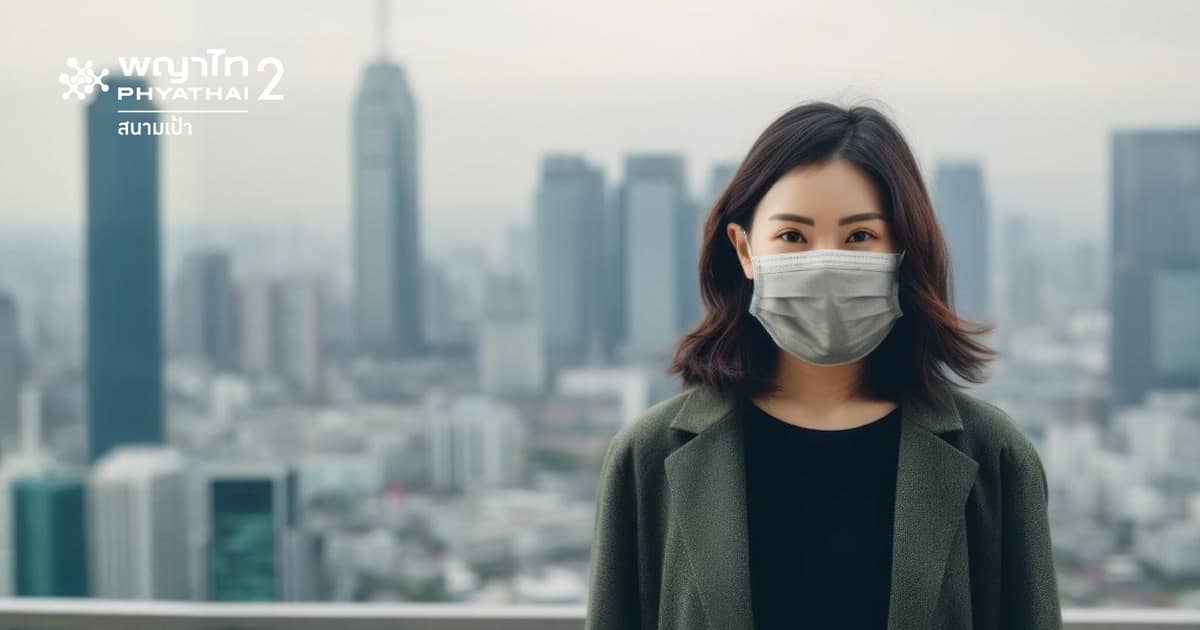
PM 2.5 dust is an environmental issue that causes concern for many people, especially during the winter season when air quality tends to worsen. These tiny dust particles can enter the respiratory system and have a significant impact on health.
What is PM 2.5 Dust?
PM 2.5 refers to particulate matter smaller than 2.5 microns, which is about 1/30th the diameter of a human hair. Due to their extremely small size, PM 2.5 particles can easily enter the respiratory system and lungs, significantly affecting health, especially for vulnerable groups such as the elderly, young children, and people with respiratory diseases. It can cause irritation, coughing, wheezing, or difficulty breathing. According to the Pollution Control Department, PM 2.5 levels tend to rise significantly towards the end of the year, especially in areas with heavy traffic or near pollution sources. Therefore, protecting oneself from PM 2.5 dust is crucial.
Continuous Exposure to PM 2.5 Dust Can Have Severe Health Impacts in Both the Short and Long Term
Short-term Health Impacts:
- Respiratory System: Irritation in the nose and throat, coughing, sneezing, difficulty breathing, asthma, or allergies flare-ups.
- Eyes: Red eyes, eye irritation, and watery eyes.
- General Symptoms: Fatigue, headaches, and general discomfort.
Long-term Health Impacts:
- Chronic Respiratory Diseases: Increased risk of chronic obstructive pulmonary disease (COPD) or emphysema.
- Heart and Blood Vessels: Increased risk of coronary artery disease, heart attacks, and strokes.
- Cancer: Increased risk of lung cancer due to chronic inflammation of lung tissue caused by PM 2.5 dust.
- Impact on Pregnant Women and Children: Increased risk of preeclampsia, low birth weight, premature birth, and developmental issues related to lung and brain growth in children.
At-risk Groups to Be Especially Cautious Of:
- Children and the Elderly: With weaker immune systems, they are more sensitive to pollutants.
- Pregnant Women: PM 2.5 can negatively affect the health of the fetus.
- People with Pre-existing Conditions: Those suffering from allergies, heart disease, lung disease, or asthma.
How to Protect Yourself from PM 2.5 Dust
- Wear a Quality Mask: Use an appropriate mask such as an N95 or N99 mask, which is effective at filtering PM 2.5 dust particles.
- Seal Windows and Doors: Close windows and doors tightly to prevent dust from entering your home. Installing an air purifier can also help improve indoor air quality.
- Avoid Outdoor Exposure During High PM 2.5 Levels: Especially in the morning and evening when dust levels tend to peak. If you must go outside, stay in well-ventilated areas and wear a mask at all times. Additionally, wash your face, hands, and shower immediately upon returning home to remove any dust particles.
- Maintain Good Health: Eat a nutritious diet, exercise regularly, and get adequate rest to strengthen your body’s immune system.
Although PM 2.5 dust is a challenging issue to avoid, proper self-protection can minimize health impacts. Wearing protective masks, staying in safe areas, and adapting to daily life practices can help maintain good health even in highly polluted environments. If you experience any unusual symptoms, it is important to see a doctor promptly.
