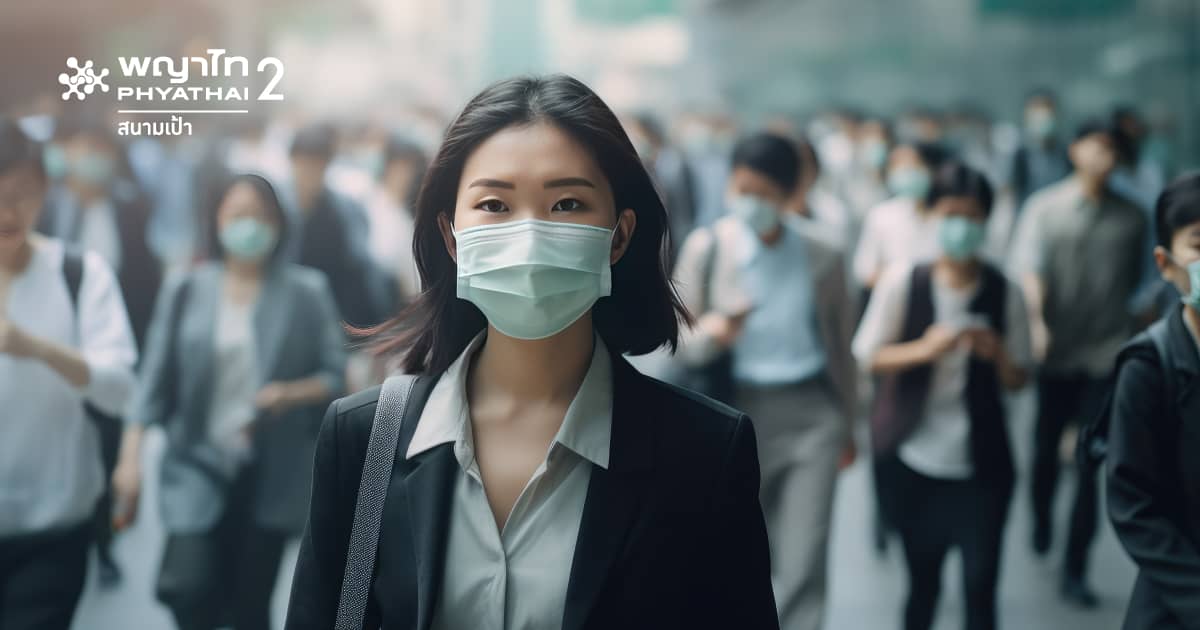
In the daily life of city dwellers, lack of sleep, chronic stress, and PM2.5 dust have become unavoidable. Although they may seem not severe in the short term, when these factors accumulate continuously, they can become a silent threat that unexpectedly affects the “lungs” and the “respiratory system” both in the short and long term.
Before the lungs send warning signals…
Small daily behaviors of city people may unknowingly undermine the respiratory system, including
-
- Lack of sleep, reduced immunity, weak lungs Insufficient sleep causes the immune system to function inadequately, resulting in the body’s reduced ability to defend against pathogens and free radicals, increasing the risk of respiratory infections such as colds, sinusitis, bronchitis. It also reduces the repair of lung cells and tissues at night, causing chronic inflammation, which is one of the mechanisms that trigger lung diseases.
- Stress affects both the respiratory system and hormones. Chronic stress causes the body to secrete a large amount of cortisol hormone, affecting the function of various systems, including the “respiratory system,” leading to shallow and rapid breathing, reducing oxygen intake. Stress causes respiratory muscles to tense, increasing feelings of breathlessness and accelerating the exacerbation of asthma or chronic lung diseases, lowering the immunity of the respiratory mucosa and making infections easier.
- PM2.5 dust destroys lung cells at a deep level. PM2.5 is particulate matter smaller than 2.5 microns that can penetrate deep into the lungs’ alveoli without being filtered by nasal hairs or respiratory mucous membranes. The dust can trigger alveolar inflammation, increasing the risk of emphysema, chronic obstructive pulmonary disease (COPD), and lung cancer. If the body is weakened by lack of sleep and stress, it will accelerate lung deterioration.
- Weak lungs and poor quality breathing. When all three factors lack of sleep, stress, and toxic dust converge over a long period, it results in incomplete lung expansion, easy fatigue, chronic tiredness, reduced filtering of dust and pathogens in the respiratory tract, and increased risk of chronic respiratory diseases even at a young age.
Who is at higher risk of being affected?
- City workers who rest little, work in front of screens, or work in shifts
- Those who face continuous high stress
- Children, the elderly, and those with pre-existing lung diseases such as asthma, allergies, chronic obstructive pulmonary disease
- Those who have to stay outdoors or travel regularly during high dust pollution periods
Don’t let the lungs send warning signals for too long. When should you see a doctor?
Early respiratory symptoms are usually mild, and many people overlook them, thinking they are just “accumulated fatigue” or “temporary symptoms from dust or stress.” However, in reality, these symptoms may be warning signs of weakening lungs or accumulating inflammation. If left untreated, they may develop into chronic lung diseases. You should see a doctor for lung health assessment if you have any of the following symptoms:
-
- Easy fatigue, incomplete breathing, or breathlessness even with minor activities such as climbing stairs
- Chronic cough, dry cough, cough with phlegm, or increased coughing during high PM2.5 levels
- Chest tightness, wheezing, or feeling of breathing obstruction
- Frequent respiratory infections, repeated colds, bronchitis, or pneumonia
- Chronic fatigue, unrefreshing sleep, symptoms not improving despite rest
- Having underlying lung, heart, or allergy diseases with frequent exacerbations
- Working or living in environments with dust, smoke, or pollution for prolonged periods
Early lung health screening such as pulmonary function tests (Pulmonary Function Test), airway inflammation measurement (FeNO), cardiopulmonary exercise testing (CPET), chest X-rays, or additional tests as deemed necessary by the doctor can help detect abnormalities early, slow lung deterioration, and plan appropriate care before symptoms become severe or chronic and affect quality of life.
How to care for your lungs when you cannot avoid risk factors?
Although it is impossible to avoid pollution or stress 100%, you can reduce their impact on your lungs by
- Getting quality sleep for at least 7–8 hours per night
- Practicing deep and slow breathing to reduce tension in respiratory muscles
- Wearing protective masks when dust levels are high and avoiding outdoor activities
- Taking care of mental health and reducing stress through light exercise or relaxing activities
- Having annual lung health check-ups, especially for smokers, those with underlying diseases, or those working in high-risk areas
Lack of sleep, chronic stress, and PM2.5 dust may seem like unavoidable everyday issues, but when accumulated continuously, they silently affect the lungs and respiratory system, from reducing immunity and causing chronic inflammation to increasing the risk of severe lung diseases in the long term.
Lung care is not just about treatment when sick but involves paying attention to sleep quality, reducing stress, protecting against toxic dust, and always observing abnormal body signals. If you experience easy fatigue, incomplete breathing, chronic cough, chest tightness, or exacerbations during high dust levels, do not wait until the lungs weaken to the point of difficult recovery.
At Phyathai Hospital 2, we are ready to provide comprehensive lung health care with a team of respiratory specialists, standardized lung health assessments, and personalized treatment plans to help detect risks early, slow lung deterioration, and restore quality breathing.
Dr. Chanthat Traithong
Head of the Center of Excellence for Holistic Respiratory Care
Phyathai Hospital 2
