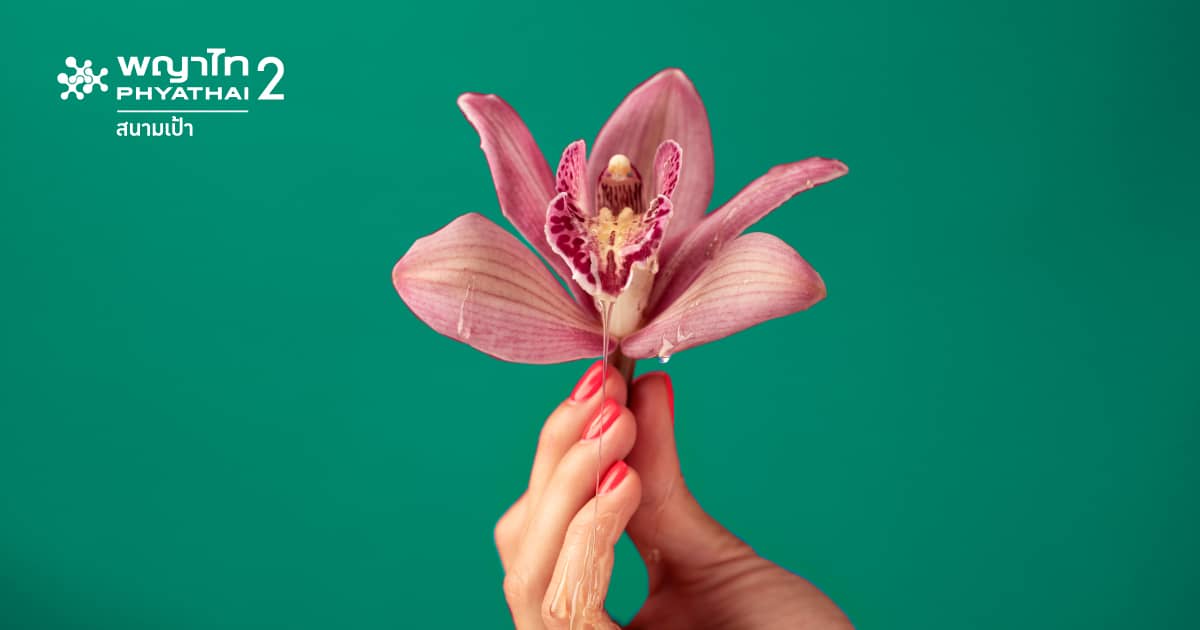
Vaginal dryness is a significant problem during sexual intercourse. It mostly occurs in menopausal women because there is no lubrication for sexual activity, which can cause irritation, pain, or wounds. Some endure it without happiness, while others use lubricants that cause allergic reactions. Let’s solve this problem together with Dr. Wanchat Komol, Obstetrician-Gynecologist specializing in Female Pelvic Medicine and Reconstructive Surgery, Women’s Health Center, Phyathai 2 Hospital
What causes vaginal dryness?
Vaginal dryness can occur at any age. One factor is aging, especially during menopause, which causes very low levels of sex hormones, a key factor leading to vaginal dryness. It can also be caused by certain diseases such as autoimmune disorders. Another group that may experience vaginal dryness includes those taking certain medications that alter hormone levels, such as:
- People taking birth control pills or contraceptive injections
- Those taking medication for uterine fibroids or endometriosis
- People taking antidepressants, which can reduce secretions and may cause vaginal dryness
- Cancer patients undergoing chemotherapy or radiation therapy
If you notice these symptoms, you may have vaginal dryness
- Burning, pain, itching, or irritation in the vagina or around the vaginal opening
- Pain or severe burning during sexual intercourse
- Frequent urination or recurrent urinary tract infections
- Vaginal bleeding
What are the negative effects of enduring sexual intercourse with vaginal dryness?
It causes severe pain during intercourse, reducing interest in sexual activity with a partner and preventing orgasm.
This affects relationships and mental health, causing embarrassment and lack of confidence. Physical consequences include possible wounds, urinary tract infections, or subsequent infections.
How to prevent and treat vaginal dryness
Since the main cause is menopause, prevention may not be possible as it follows the body’s natural mechanism.
Treatment involves applying local hormones to stimulate lubrication, using gels, lubricants, and moisturizers.
Communicating with your partner about foreplay before intercourse can also help.
If vaginal dryness occurs in people with underlying diseases, they should consult their treating physician to adjust medications appropriately, as some drugs may reduce secretions.
Innovation: Vaginal rejuvenation with PRP to solve vaginal dryness problems
PRP is a component in blood called plasma, which is extracted to obtain Growth Factors.
These factors increase blood flow to the injection area, promote new cell growth, rejuvenate the vagina, increase secretions, and make the vagina more moisturized.
Dr. Wanchat Komol
Obstetrician-Gynecologist specializing in Female Pelvic Medicine and Reconstructive Surgery
Women’s Health Center, Phyathai 2 Hospital
