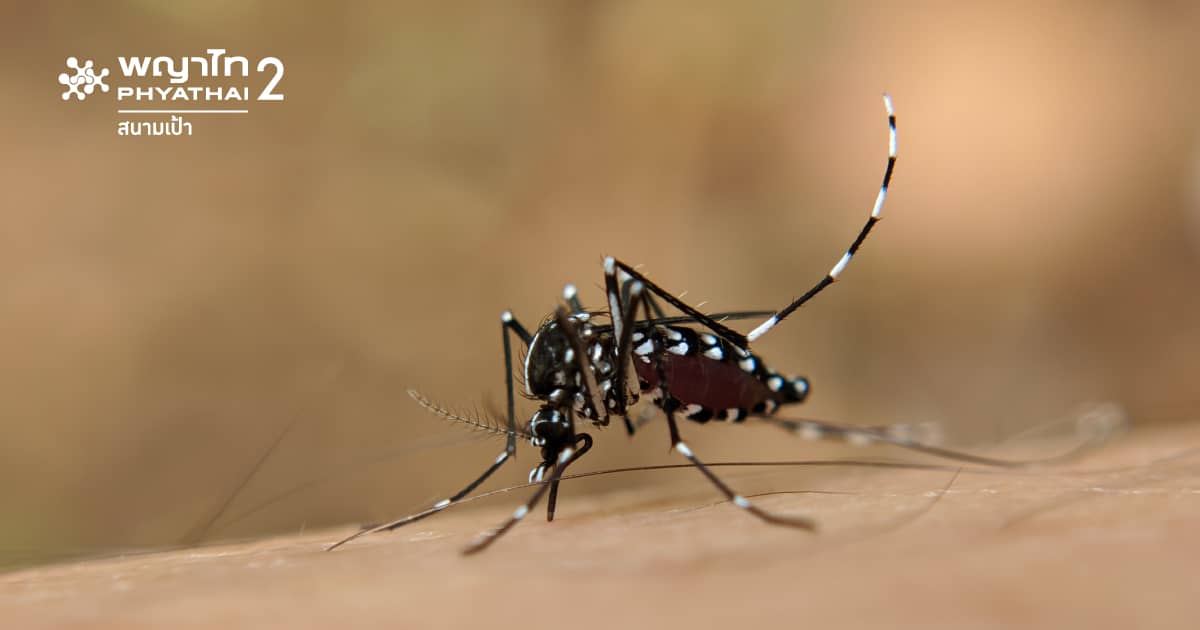
Zika Virus (Zika Virus) is an infectious disease transmitted by Aedes mosquitoes. It is found in many tropical countries, especially in Central and South America, countries around the Caribbean Sea, Africa, Pacific islands, and Southeast Asian countries including Thailand. The symptoms are generally mild and can resolve on their own, but it remains a disease to be monitored because elderly patients and those with underlying conditions may experience severe symptoms. If pregnant women are infected, it can cause abnormal microcephaly in the baby.
This article will help you understand Zika virus disease from the perspective of “ordinary people,” covering symptoms, transmission, and proper prevention.
What is Zika Virus?
Zika virus is a Flavivirus transmitted mainly by Aedes mosquitoes.
- Found in tropical areas
- Similar to dengue fever and chikungunya
- Many infected people may show no symptoms
Symptoms of Zika Virus Disease
Symptoms usually appear within 2–7 days after infection and are mostly mild.
- Low-grade fever
- Red rash on the body
- Red eyes
- Joint and muscle pain
- Headache
- Fatigue
Many infected people “have no symptoms” but can still spread the virus.
Zika Virus Transmission
This disease can be transmitted through several routes, including:
- Aedes mosquito bites (main cause)
- From mother to fetus during pregnancy
- Sexual contact (virus found in semen)
- Blood transfusion (rare)
Risks in Pregnant Women
This is a key issue that makes this disease “not to be overlooked” due to possible complications.
- Abnormal microcephaly in babies
- Delayed development
- Neurological abnormalities
The World Health Organization continuously emphasizes monitoring this disease in pregnant women.
Diagnosis is based on
- Symptoms and risk history
- Laboratory tests such as blood tests (Antibody, RT-PCR, or urine tests)
Treatment of Zika Virus Disease
Currently, there is no specific treatment for Zika virus. Self-care guidelines include:
- Getting enough rest
- Drinking plenty of fluids
- Taking fever reducers such as Paracetamol
- Avoiding certain painkillers until dengue fever is ruled out
- Most patients improve within 5–7 days
How to Prevent Zika Virus
Preventing “mosquito bites” is the key.
- Eliminate standing water around the house
- Wear clothing that covers the body
- Use mosquito repellent
- Sleep under mosquito nets or in rooms with screens
- Protect yourself when in risk areas
When Should You See a Doctor?
If you have the following symptoms:
- Fever with rash and joint pain
- Symptoms do not improve within 2–3 days
- Severe symptoms such as weakness or unusual severe pain
FAQ (Frequently Asked Questions)
Q: How is Zika different from dengue fever?
A: Both diseases are transmitted by Aedes mosquitoes, but Zika usually has milder symptoms and does not cause severe low platelet counts like dengue fever.
Q: Can it heal on its own?
A: Most cases recover on their own within a few days.
Q: Is there a vaccine?
A: Currently, there is no widely available vaccine.
Zika virus disease is generally mild in most people but can spread easily without being noticed. Preventing mosquito bites and maintaining proper health care are the best ways to reduce the risk of the disease.
