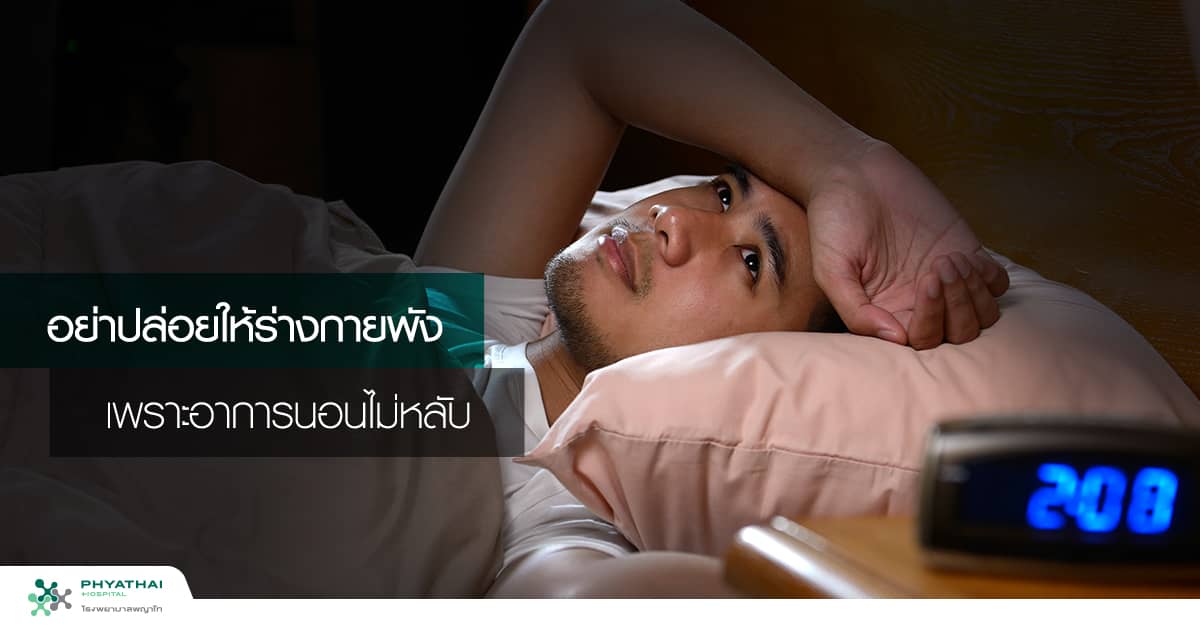
For those who are addicted to series or games all day and night and force themselves not to sleep, they may not feel much suffering from not being able to sleep. But for those who want to sleep but cannot, it is considered an extremely severe suffering and is also the starting point of many health problems. It makes one easily irritated and unable to work efficiently as they should. Did you know that insomnia occurs because something stimulates the body and mind, causing sleeplessness? Of course, there are ways to treat and cure it, but how to do so? This article provides a complete answer in a way that everyone who wants to sleep soundly and have a clear mind should not miss.
What is insomnia? What types qualify as insomnia?
In medical terms, insomnia is divided into two main types: “Difficulty falling asleep”, which means it takes longer and more effort than usual to fall asleep, possibly hours or more from the moment the head hits the pillow; and the other group is “Frequent waking during the night”, where falling asleep is not difficult like the first group, but sleep is not deep, with frequent waking throughout the night. Ultimately, both groups fall under insomnia, light sleep, and insufficient rest, which can lead to health problems.
Why do people suffer from insomnia?
Because every abnormality in the body has a cause, insomnia does too. Mostly, there are two main causes as follows:
- Psychological causes resulting from stress, anxiety from work, or from a pressing situation that causes discomfort, leading to symptoms of insomnia. Psychological causes are considered the number one cause of insomnia.
- Physical causes which may arise from pain in the body such as toothache, back pain, shoulder pain, muscle aches, etc., causing insomnia. This also includes insomnia caused by acid reflux or eating before bed, which may cause waking up in the middle of the night. For those who are significantly overweight and suffer from snoring, it also affects sleep quality and may cause waking up at night. Additionally, menopause, where hormone levels decrease, can also cause insomnia.
What are the harmful effects on the body if insomnia is left untreated regularly?
Insomnia is a condition that severely harms the body because the time we sleep is when the body restores itself. This is when Growth Hormone is secreted from the pituitary gland to repair worn-out parts, whether wounds, injuries, or pain anywhere. The body repairs itself during sleep. Therefore, when we cannot sleep, the repair process is interrupted, leading to various negative effects such as metabolic and digestive system disorders, poor excretion, easy weight gain, dull skin, dry skin, acne, and the onset of various diseases such as weakened immunity, high blood pressure, etc. At the same time, insomnia negatively affects mood and mental health, making us easily irritated, short-tempered, or in some cases, depressed, with problems in decision-making and emotional control. Overall, insomnia is the starting point of a poor lifestyle that leads to serious illnesses.
How to fix it? How to fully recover?
To effectively solve insomnia, it is necessary to first identify the cause of the sleeplessness. Most people do not know the exact cause, or even if they do, they cannot fix it themselves. Therefore, consulting a doctor for advice is the most convenient and effective solution. When patients see a doctor, they will receive treatment through the following methods:
- Psychotherapy treatment approach
Since most insomnia problems stem from psychological conditions, stress, and anxiety, doctors act like psychologists by talking and listening to find out the patient’s problems, why they are stressed, and what situations cause discomfort. Then, they gradually provide advice, help find solutions, encourage positive thinking, and allow patients to express their feelings as much as possible. Usually, psychotherapy alone can significantly improve the patient’s condition and make it easier to sleep.
- Sleep hygiene: arranging the sleeping environment
If psychotherapy does not work, doctors will classify the type of insomnia. For patients who have difficulty falling asleep, they will recommend sleep hygiene, which means creating a sleep-friendly environment. The basic principles are that the bedroom must be completely dark; if there are curtains, they must be fully closed. The room should be free from noise; if unavoidable, earplugs should be used to help sleep better. The room temperature is also important—not too cold or too hot—to ensure comfortable, deep sleep throughout the night. For patients who frequently wake up at night, it is necessary to identify the cause, such as noise or light disturbances, and control them as best as possible to enable continuous deep sleep.
- Preparing before bedtime is a step not to be neglected
Preparing before bedtime is important for both those who have difficulty falling asleep and those who frequently wake up at night. The recommendation is that everyone should prepare at least one hour before bedtime to allow time to relax fully. Activities involving light should be avoided because “light” inhibits the secretion of “melatonin”, a hormone that makes us feel sleepy and is secreted only in darkness. Therefore, if we continue activities involving light, such as using a mobile phone, watching TV, or using a laptop, the body will not secrete melatonin, and we will not feel sleepy.
At the same time, large meals before bedtime should be avoided because they cause indigestion, bloating, discomfort, and insomnia. However, if truly hungry and unable to endure, it is acceptable to eat but recommended to choose warm milk or bananas, which contain the amino acid tryptophan that helps induce sleepiness, making us both full and able to sleep comfortably. For those who wake up in the middle of the night and find it hard to fall back asleep, they should not force themselves to sleep immediately but prepare again by doing relaxing activities such as listening to music or meditating in a dim environment without bright lights to gradually soothe themselves back to sleep, which is more effective than forcing sleep immediately after waking.
- Behavioral adjustment: make the bed for sleeping only
Besides psychotherapy and arranging a sleep-friendly environment, changing behavior regarding activities on the bed is also important. Normally, we do many activities on the bed, such as using a mobile phone, watching movies, working, or eating, which prevents the body from recognizing that “the bed is for sleeping”. This makes it difficult to fall asleep when going to bed. We should train ourselves to associate the bed environment with “sleeping only” so the body becomes accustomed and makes it easier to fall asleep and sleep deeply.
- Use sleeping pills only in certain cases
Generally, doctors do not recommend treating insomnia with sleeping pills, especially for patients who have just started experiencing insomnia. However, if necessary, for patients who have tried other treatments without improvement, doctors may prescribe sleeping pills but only for a short period to allow the body to rest fully and gradually adjust behavior to address the root cause. The medication will be stopped once the problem is resolved because prolonged use over one month increases the risk of dependency. This is why sleeping pills are the last resort and must always be used under medical supervision. Self-medication is strongly discouraged.
Sleeping soundly throughout the night and getting enough sleep every day is the key to having a healthy body and mind. Even if we do not have insomnia, living with irregular sleep schedules and staying up late for several nights consecutively will eventually harm the body and mind. Therefore, we should pay attention to managing our sleep time well, go to bed on time, and get enough rest to build a foundation for good health, leading to a good quality of life and happiness that we all desire.
Head of Anti-Aging Medicine Center
Phyathai 3 Hospital
