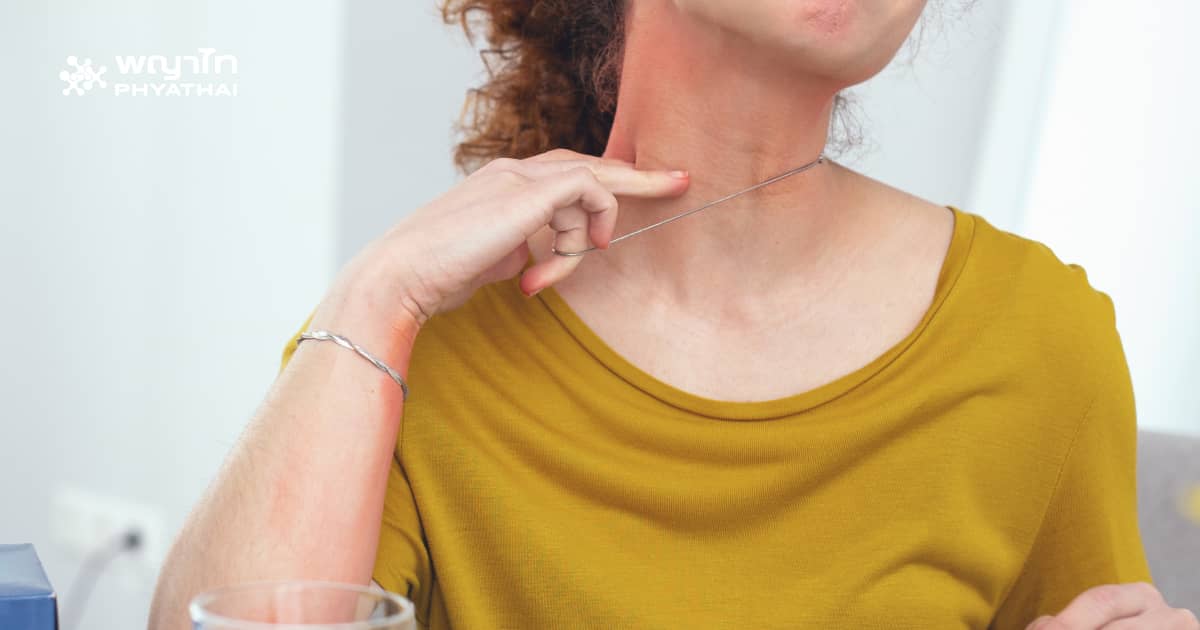
Many people may wonder what nickel (NICKEL) is, whether it is a substance or an element, and if people can be allergic to nickel. If allergic, what happens to us? Today, we will get to know nickel and the skin allergy caused by this element.
Getting to Know Nickel (NICKEL) and Possible Allergic Reactions
Nickel is an element or metal with a silver-white color. This metal is often mixed with other metals commonly used in industries and various products. The population allergic to “nickel” accounts for a higher percentage than other metals.
Contact dermatitis caused by nickel occurs when the skin comes into contact with nickel substances, triggering the body’s immune system process called “Cell Mediated Immune Response”. Symptoms usually appear within 15-30 minutes and can be divided into 3 stages:
- Acute stage: swelling, redness, itching, blisters form and then burst with serous fluid discharge.
- Subacute stage: inflammation of blisters decreases, blisters start to dry and scab, itching reduces.
- Chronic stage: skin thickens and darkens, with a scaly and uneven texture.
How Should People Allergic to Nickel Metal Take Care of Themselves?
- Avoid contact because touching objects containing nickel metal can cause red itchy rashes, scaling, and blisters. Allergic rashes are more likely to occur in hot weather, with sweating and friction.
- When choosing jewelry, opt for materials made from stainless steel, rhodium, gold, silver, plastic, or brass instead of nickel metal jewelry. Avoid plated jewelry as it can release nickel.
- Be cautious when selecting clothing or items that may contain nickel metal, such as hair clips, eyelash curlers, earrings, eyeglass frames, bras with underwire, zippers, hooks, shoe tips, belt buckles, coins, watches, jeans buttons, lighters, lipstick cases, pens, needles, beads, doors, handbags, kitchen utensils, bicycle handles, and umbrellas. For chairs, use wood instead of metal and use cushions or seat pads made of thick fabric.
- Coins usually do not cause rashes if there is no excessive sweating or if not held for more than 3 minutes. However, they may cause rashes if kept in shirt, pants, or skirt pockets for a long time. Therefore, coins should be stored in plastic bags or pouches instead.
Treatment and Prevention of Nickel Contact Allergy
- If it is necessary to touch objects containing nickel metal, wear vinyl gloves before contact. Do not use rubber gloves as nickel can penetrate rubber gloves.
- Coating materials with nail polish, polyurethane, platinum, rhodium, or covering materials with fabric can temporarily prevent nickel allergy. Do not coat with palladium as it may cause allergic reactions along with nickel.
- Inform your doctor if you are allergic to nickel metal to avoid equipment containing nickel.
- If symptoms occur, promptly see a dermatologist because if left untreated for a long time, symptoms may worsen.
Foods to Avoid for People Allergic to Nickel
- Seafood such as shellfish and shrimp
- Certain vegetables such as red beans, black beans, peas, green beans, onions, long beans, lettuce, spinach, bean sprouts, soybeans, and soy protein
- Certain fruits such as pineapple, dates, figs, prunes, and raspberries
- Snacks and drinks such as chocolate drinks, chocolate milk, and cocoa
- Other foods such as oats, brown rice, sunflower seeds, sesame, rice bran oil, almonds, other nuts, large amounts of baking powder, cottonseed oil, licorice, and some vitamins containing nickel
- Canned foods because cans often contain nickel as a component
