What is endovascular surgery?
Endovascular surgery is a type of surgery that involves the use of special tools that fit inside the blood vessels. For this type of surgery, the surgeon inserts a tube called a catheter into a large blood vessel, usually in the arm or leg. Then the surgeon pushes the tube further and further into the blood vessel until it reaches the part of the vessel that needs to be fixed. Next, the surgeon passes special tools and devices through the tube. These tools can be used to reopen a clogged vessel, reline a vessel, or even seal off a vessel. Whatever the surgeon is doing, they use X-rays or ultrasound imaging to see where the catheter and devices are located during the surgery.
Here are some examples of the most common tools and devices used in endovascular surgery and what they do:
- A balloon catheter: The surgeon can insert the balloon catheter (deflated) and then inflate this balloon inside a blood vessel. This helps widen blood vessels that have gotten too narrow. This procedure is known as “angioplasty.” In angioplasty, balloons are used to widen arteries (for example, in the legs) that are too narrow.
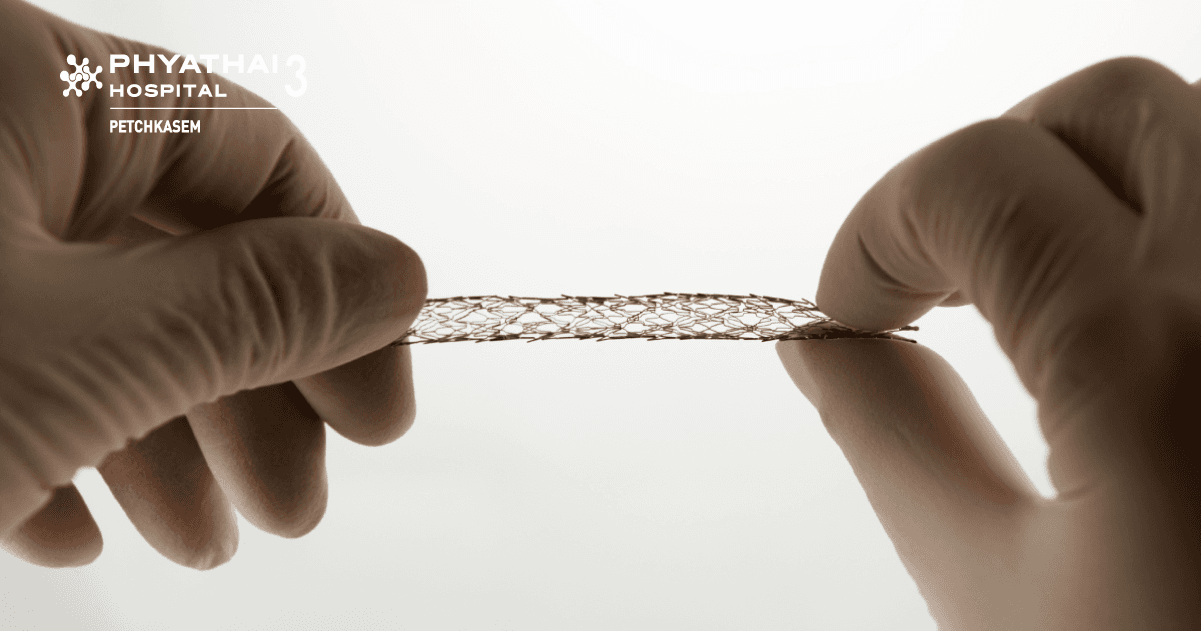
- A stent is a metal mesh tube that is left inside the blood vessel to prop it open. Stents can be used inside many different blood vessels in the body, including the:
- Arteries in the arms or the legs
- Arteries that provide blood to the brain, intestines
- A stent-graft: A stent-graft is a tube made of a special material that is often reinforced with metal. Stent-grafts like these are used to repair a problem called an “aneurysm” in one of the body’s large blood vessels. An aneurysm occurs when the walls of the blood vessel become weak and start to bulge out.
A surgeon inserts a graft that is folded. When it reaches the aneurysm, the surgeon unfolds the graft. The graft pushes up against the walls of the blood vessel and serves as a liner. Blood flows through the graft just as it would through the vessel itself. With the graft in place, the vessel is protected from the force of the blood pressure, which keeps the blood vessel from bursting.
- A coil or other device: Surgeons sometimes place coils or other devices inside balloon-like aneurysms, especially small ones like those found in the brain or spleen. These devices seal off the aneurysm and keep it from bursting. The same devices are also used to help stop bleeding from blood vessels that are injured.
- A wire that heats up: Surgeons sometimes use heat to seal off a diseased vein.
- An umbrella device: One type of umbrella device is called a “vena cava filter,” which is placed in the large vein in the belly (called the vena cava). The filter’s job is to catch clots that might break off in the veins that drain from the legs and keep them from going to the heart. Surgeons put umbrella devices into place while they are in the closed position. Then, when they get to the part of the blood vessel where they want to use the device, they open it.
Why do endovascular surgery instead of open surgery?
“Open” surgery is when the surgeon cuts open your skin to do the procedure. In general, but not always, recovery is easier after endovascular surgery than after open surgery. That’s because:
- It usually involves a small wound where the catheter goes in, instead of a big wound where the body is opened up.
- The inside of the body does not need to be exposed, as it would with open surgery.
- The organs don’t get moved around as much as they would with open surgery.
- Still, it’s important to know that endovascular surgery is still surgery. People who have it do have some pain, often need stitches, and can develop infections or other problems because of the surgery.
Is the decision to have endovascular surgery up to the patient?
It depends. For procedures that can be done either way (with endovascular or open surgery), sometimes the patient will help make the decision. But it’s not always up to the patient to choose what type of surgery to have.
Whether you can have endovascular surgery will depend on:
- Whether the device will work with your body: For example, the size or shape of your blood vessels can sometimes make endovascular surgery more difficult.
- Why you need surgery
- What other health problems you have
- Whether there is a surgeon available nearby who has enough experience doing the type of procedure, and if not, whether you are willing to go elsewhere for treatment
Even if you start out having endovascular surgery, there’s no guarantee that it will stay that way. Sometimes surgeons start out doing endovascular surgery and then realize that they need to switch to open surgery. This doesn’t mean the surgeon has done anything wrong; it’s just something that could happen after a surgery gets started.
If you go in for endovascular surgery, be prepared to wake up and find out that you had open surgery. This could happen for a few different reasons, such as:
- The surgeon found something unexpected after getting started.
- The surgeon couldn’t see well enough or properly treat the body part they were trying to operate on.
- You had bleeding that needed to be controlled.
