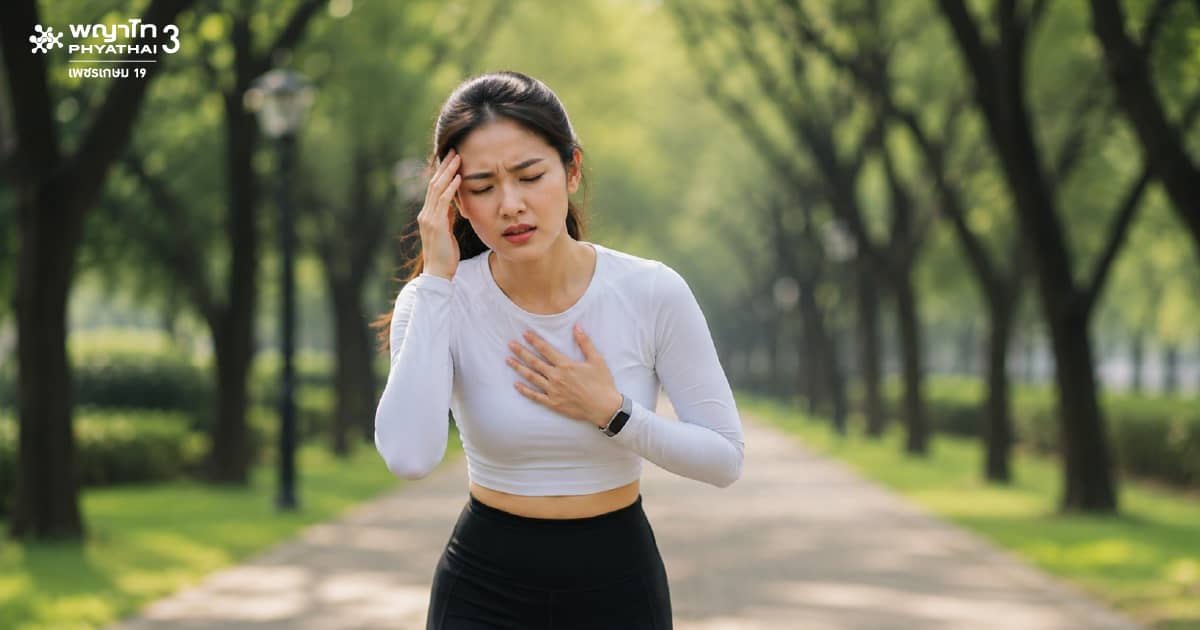
Is it normal for your heart to beat faster or feel like it is palpitating during exercise?
In fact, the heart beating faster and more forcefully during exercise is a natural response of the body because the muscles need more blood and oxygen.
However, in some people, the sensation of “palpitations” may be caused by an irregular heartbeat, which should be evaluated to determine the cause. The important thing is to distinguish between a heart rate that increases in response to exercise and an irregular heartbeat, and to observe whether there are any other warning symptoms.
What are palpitations after exercise?
“Palpitations” are the sensation that the heart is beating rapidly, forcefully, fluttering, irregularly, or as though it is skipping or missing a beat. This may be felt in the chest, neck, or throat. During exercise, the heart normally beats faster according to the intensity of the activity.
This is generally normal and is called sinus tachycardia, meaning a fast heartbeat arising from the heart’s normal rhythm. However, if you feel that your heart is “beating irregularly,” such as beating abnormally fast all of a sudden, beating irregularly, or being accompanied by other symptoms, it may be related to an arrhythmia and should be evaluated further.
Causes of palpitations during exercise
1. A normal increase in heart rate from exercise. When exercising, the body needs more blood and oxygen, so the heart beats faster and more forcefully according to the intensity of the exercise. If the heart rate increases in proportion to the level of exertion and gradually slows down after resting, without any other abnormal symptoms, this is generally considered a natural response of the body.
2. Arrhythmias. Some people may have an arrhythmia that causes palpitations, such as:
- Premature atrial contractions (PACs)
- Premature ventricular contractions (PVCs)
- Supraventricular tachycardia (SVT)
- Atrial fibrillation
- Ventricular arrhythmia
The symptoms of each condition vary, and sometimes an electrocardiogram must be recorded while symptoms are occurring in order to make a diagnosis.
3. Caffeine and energy drinks. Coffee, tea, energy drinks, or certain pre-workout supplements may contain stimulants that increase the heart rate or cause palpitations, especially in people who are sensitive to caffeine or consume it in large amounts.
4. Dehydration and electrolyte imbalance. Heavy sweating during exercise may cause dehydration, and in some cases may lead to electrolyte abnormalities, such as involving potassium, magnesium, or sodium, which are related to the electrical function of the heart.
5. Insufficient rest or stress. Lack of sleep, stress, or anxiety can stimulate the autonomic nervous system, causing the heart to beat faster and making you more aware of your heartbeat.
6. Diseases or medical conditions. In some people, palpitations may be associated with other diseases or conditions, such as:
- Arrhythmia
- Structural heart disease
- Heart valve disease
- Anemia
- Hyperthyroidism
- Certain types of heart failure
What symptoms should prompt you to see a doctor?
Palpitations are not dangerous every time, but you should see a doctor for an evaluation if you experience any of the following:
- Palpitations occur more frequently or last longer
- Palpitations are a new symptom that you have never experienced before
- Palpitations occur clearly during exercise or physical exertion
- You feel that your heart is beating abnormally fast or irregularly
- Palpitations interfere with exercise to the point that you have to stop
- You have a history of heart disease
- A family member has died suddenly from an unknown cause, especially at a young age
In particular, palpitations accompanied by lightheadedness or fainting during exercise are symptoms that should not be overlooked and should be evaluated by a doctor.
Emergency symptoms: Go to the hospital immediately
If palpitations occur together with any of the following symptoms, stop exercising and go to the emergency room immediately:
- Chest pain or pressure
- Difficulty breathing or unusually severe shortness of breath
- Severe dizziness
- Lightheadedness or fainting
- Loss of consciousness
- Severe palpitations that do not resolve after resting
These symptoms may be related to a serious arrhythmia or certain heart diseases that require urgent evaluation.
What should you observe if you experience palpitations during exercise?
If symptoms occur, try to observe the characteristics of your heartbeat and any associated symptoms, as this information can help the doctor make a diagnosis.
- Whether the heart rate gradually increases with exertion or increases suddenly
- Whether the heartbeat is regular or irregular
- Whether the symptoms occur during exercise or after stopping exercise
- How long they last, in seconds or minutes
- Whether lightheadedness, chest pain, or difficulty breathing occurs along with them
- If you use a smartwatch that can record heart rate or an ECG, save the data recorded during the episode to show to your doctor for evaluation
What tests will the doctor perform?
The tests depend on the nature of the symptoms and each person’s risk factors. The doctor may consider:
- Electrocardiogram (ECG/EKG)
- 24-hour ambulatory electrocardiographic monitoring (Holter monitor)
- Long-term heart rhythm monitoring (event recorder or another type of monitor)
- Echocardiogram
- Blood tests, such as tests for anemia or thyroid abnormalities
- Exercise stress testing in some patients to evaluate symptoms and heart rhythm during exertion
The appropriate tests vary from person to person. The doctor will select them based on the symptoms, medical history, and the patient’s risk factors.
Ways to reduce the chance of palpitations during exercise
- Drink enough water, especially when exercising in hot weather or sweating heavily
- Reduce caffeine and energy drinks before exercising if they trigger symptoms
- Get enough rest. Good sleep can reduce factors that trigger palpitations
- Gradually increase the intensity of exercise. Do not increase the intensity rapidly, especially if you are new to exercise
- Monitor your symptoms. If abnormal palpitations occur, stop and rest, and assess your symptoms before continuing to exercise
Summary
It is normal for the heart to beat faster and more forcefully during exercise because it must pump more blood to the muscles. However, a “fast heartbeat” does not always mean an “irregular heartbeat.” If you feel that your heartbeat is irregular or experience recurrent palpitations
especially during exertion, or if they are accompanied by lightheadedness, fainting, chest pain, or difficulty breathing, you should be evaluated by a doctor to distinguish an arrhythmia from other heart diseases. If you faint or lose consciousness during exercise, or have a family history of sudden death at a young age, do not ignore it and see a doctor for evaluation as soon as possible.
Q&A: Frequently asked questions about palpitations after exercise
Q: Is it normal for my heart to beat very forcefully after exercising?
A : In general, it is normal for the heart to beat faster and more forcefully in proportion to the intensity of exercise because the body needs more blood and oxygen. However, if you feel that your heart is beating irregularly, such as beating suddenly fast or irregularly, or if you experience lightheadedness, chest pain, difficulty breathing, or fainting, you should stop exercising and consult a doctor.
Q: Can palpitations after exercise be caused by drinking coffee?
A : Yes. Caffeine in coffee, tea, energy drinks, or certain pre-workout supplements can stimulate the nervous system and cause the heart to beat faster or produce a sensation of palpitations, especially in people who are sensitive to caffeine or consume it in large amounts.
Q: How long should palpitations after exercise last before I see a doctor?
A : There is no single duration that can be used to determine this. The important factors are the characteristics of the symptoms and any associated symptoms. If palpitations occur frequently, continue for several minutes, take longer than usual to resolve, become more frequent, or occur clearly during exercise, you should undergo a medical evaluation. If they are accompanied by lightheadedness, fainting, chest pain, or difficulty breathing, you should be evaluated promptly.
Q: What types of palpitations require an immediate hospital visit?
A : You should go to the hospital or emergency room immediately if palpitations occur together with:
- Chest pain or pressure
- Feeling unable to get enough air or severe shortness of breath
- Severe dizziness
- Lightheadedness, fainting, or loss of consciousness
- Severe palpitations that do not resolve after resting
Especially if symptoms occur during exercise, do not force yourself to continue exercising.
Q: If my smartwatch shows that my heart rate is high, should I be concerned?
A : An elevated heart rate during exercise does not necessarily mean that you have heart disease because the heart should beat faster according to the level of exertion. However, if the smartwatch repeatedly shows abnormalities or you experience palpitations, save the data and consult a doctor, as some devices can help record the heart rhythm during an episode. The most important thing is not only the heart rate number, but “how the heart is beating and what symptoms occur along with it.”

