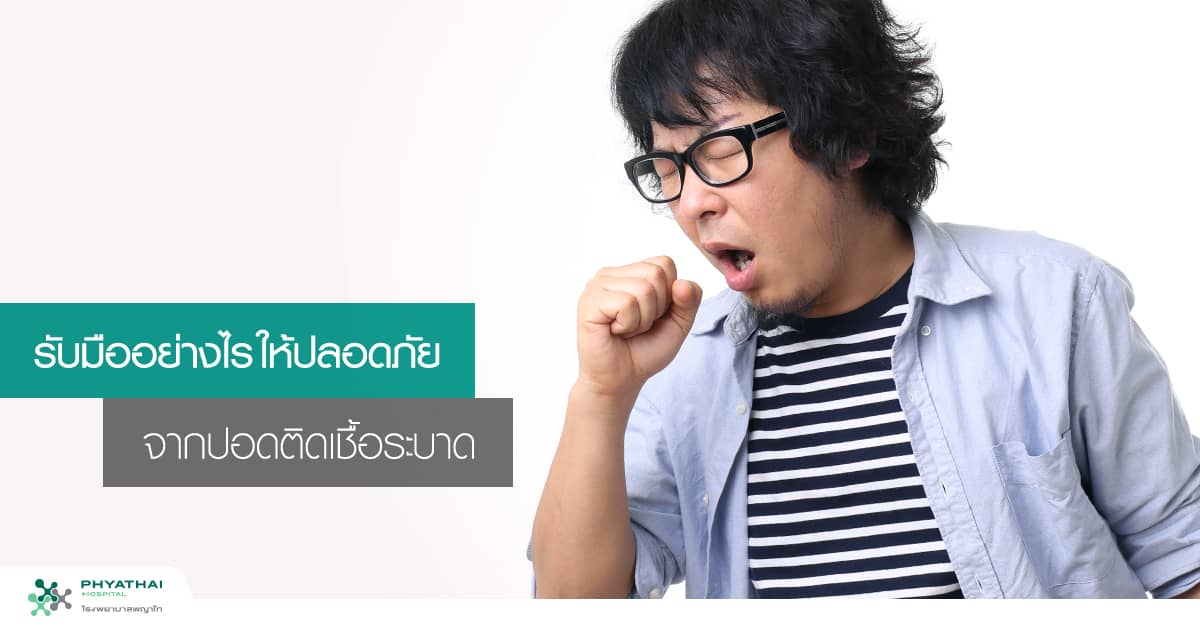
Every year, we often hear news about outbreaks of various diseases to some extent, especially respiratory diseases or pneumonia, which are considered popular diseases that frequently make the news and cause us to be cautious every year. This is because these diseases spread easily through coughing and sneezing, and the viruses causing the diseases can be carried by the wind to different places. When someone inhales the virus, there is an immediate chance of infection. Whenever outbreak news comes out, people tend to be anxious and fearful, often unable to eat or sleep properly. Therefore, to help us live more happily, be more aware, and be safer from pneumonia outbreaks during each news cycle, today we have some good preparation guidelines for dealing with pneumonia outbreaks to share with you. There are 5 detailed steps as follows:
- Filter the news carefully before panicking too much
Often, outbreak news is not a real outbreak or not severe, but rather distorted information made to look scarier than it actually is. Therefore, we should choose to receive outbreak information from the most reliable sources, such as primary sources. In the medical field in our country, we can follow the Department of Disease Control’s website, which provides the most accurate information. For even more credibility and up-to-date information, you can follow news directly from the WHO website or the World Health Organization, which guarantees accurate information.
- Check yourself and those close to you to see how much you are related to the source of infection
Whenever there is an outbreak of respiratory diseases or pneumonia, one of the important preventive measures is to trace the origin of the outbreak and identify the risk points of transmission. Once we know, we must ask ourselves, “How much am I related to the source of infection?” If directly related, for example, if we work in the country or city where the infection is spreading, or indirectly, such as having friends, relatives, or close contacts who have traveled to the outbreak area and returned to be with us. If we or those close to us are related to the source of infection, it means “we must be very vigilant.” But if we are not related to the source of infection in any way, the chance of getting infected and harmed is very low.
- Study the symptoms of the disease to understand and observe yourself and those close to you
Being afraid of an outbreak alone does not help improve anything, but studying and knowing the symptoms of pneumonia or respiratory diseases that are spreading and how to deal with them is what we should do. Knowing the symptoms is the most important first step so that we can observe and check ourselves. Especially if we or those close to us are related to the source of infection, we must closely monitor symptoms. The main symptoms of respiratory diseases are quite similar, resembling a cold because they are caused by viral infections. Symptoms may include high fever, body aches, runny nose, sore throat, cough, and shortness of breath. If you notice these symptoms, be aware that you are at risk! You should see a doctor immediately.
- Don’t fear quarantine, but fear death and spreading the disease
When you notice that you have symptoms that risk pneumonia as reported in the outbreak news, what you must do is know your responsibility to quickly see a doctor to be examined whether you really have pneumonia as reported. You must provide information about whether you or those close to you are related to the outbreak source to allow proper screening. Knowing your responsibility not only keeps you safe and helps you recover but also helps prevent the disease from spreading widely and harming more people in society.
- Follow the news continuously day by day to stay informed about the situation
Respiratory disease outbreaks have their own levels and can escalate to the point where emergency measures must be declared. Therefore, to plan your life correctly and protect yourself from the outbreak as much as possible, you need to keep following the news regularly to see how the situation is each day and what preventive measures are announced that you should follow. For example, in severe outbreaks, there may be country or city lockdowns and travel bans. We must know where we are prohibited from going or, if travel is allowed, how to take care of ourselves, such as wearing masks, washing hands frequently, wearing gloves, etc. We must strictly follow these announcements to stay safe and not become one of the infected who spread the disease to others.
Respiratory diseases such as pneumonia require both correct treatment methods and proper preventive measures to control the disease from spreading. Our duty during outbreak news is to stay calm, not panic excessively, and take good and proper care of ourselves by following official announcements from the Department of Disease Control and WHO. This way, we can effectively handle the disease, keep ourselves safe, and help control the outbreak from spreading further until the situation is finally resolved.
Dr. Winai Boveja
Head of Lung Health Center
Respiratory Medicine and
Respiratory Critical Care Physician, Phyathai 3 Hospital
02-467-1111 ext. 3185 – 3186
Make an appointment
