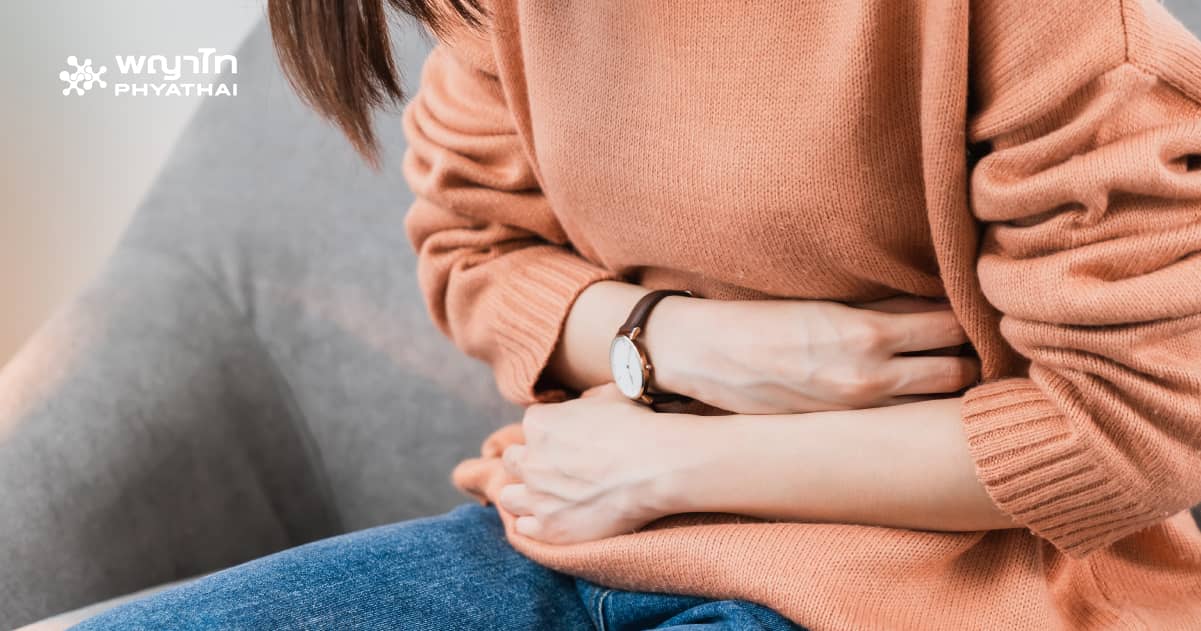
Irregular periods are a frequent problem for women, but they are often overlooked. Many women dislike their menstrual cycle, viewing it as a nuisance that disrupts daily life. They may worry about stains or the need to change sanitary products frequently, and endure the painful cramps that accompany menstruation. As a result, some may even think that not having a period is a blessing, unaware that missed periods can signal conditions like chronic anovulation or polycystic ovary syndrome (PCOS), which can lead to menstrual irregularities.
Chronic Anovulation: A Possible Cause of Irregular Menstruation
Chronic anovulation is a common condition in women of reproductive age. It occurs when hormonal levels that regulate ovulation are disrupted, preventing the proper maturation and release of an egg. This can result from high stress, obesity, being underweight, or premature ovarian failure. Such conditions can lead to abnormal menstrual cycles, including longer intervals between periods, missed periods, or irregular spotting.
Chronic anovulation doesn’t just cause menstrual irregularities; it can also lead to other issues. It may result in infertility and increase the risk of endometrial hyperplasia, which, if untreated, can escalate to endometrial cancer.
How to Protect Yourself from Chronic Anovulation
To reduce the risk of chronic anovulation, focus on lifestyle changes. Managing stress is crucial; if you feel overwhelmed by work or school, engage in activities that help you unwind and ensure you get adequate rest.
Nutrition plays an important role as well. If you’re underweight, increase your protein intake, and incorporate exercise to build muscle. Conversely, those who are overweight should control their diet and exercise to enhance metabolic function. Addressing these issues can help restore regular ovulation, regulate menstrual cycles, and ensure periods occur as expected.
Polycystic Ovary Syndrome (PCOS): Another Factor in Irregular Periods
Polycystic Ovary Syndrome (PCOS) is a condition characterized by multiple cysts in the ovaries, resulting from hormonal imbalances in the endocrine system. Women with PCOS often have ovaries filled with numerous small cysts, which can interfere with normal ovarian function and lead to irregular menstrual cycles. These cysts are simply follicles that contain undeveloped eggs and do not result in ovulation as they should; hence, they are not inherently dangerous.
How to Protect Yourself from PCOS
To manage the risk of PCOS, consider the following strategies:
1. Maintain a Healthy Weight: Being overweight can disrupt hormonal balance.
2. Exercise Regularly: Aim for consistent physical activity without overexerting yourself.
3. Choose a Balanced Diet:
- High-Fiber Foods: Brown rice, riceberry, almonds, and red beans.
- Low-Fat Protein Sources: Chicken, fish, or plant-based proteins.
- Antioxidant-Rich Foods: Oranges, papayas, broccoli, and kale.
4. Ensure Adequate Rest: Prioritize sleep and avoid accumulating stress.
If you experience irregular menstrual cycles, such as infrequent periods, heavy bleeding, prolonged menstruation, or other abnormalities, it’s essential to consult a gynecologist. Addressing these symptoms early can prevent potential complications and serious health issues down the line.
