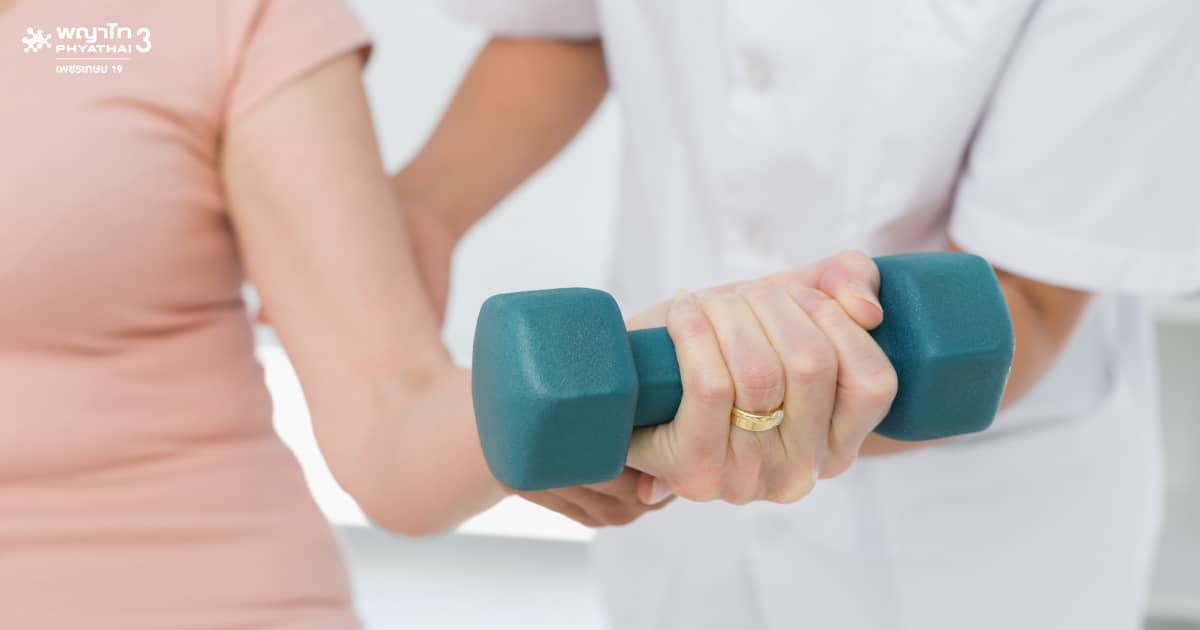
After coronary artery surgery, patients should receive cardiac rehabilitation physical therapy because coronary artery surgery
is a major surgery that affects physical, psychological, and social changes. Recovery after surgery is important in evaluating the success of the surgery and the patient’s health condition.
How necessary is physical therapy after coronary artery surgery?
Cardiac rehabilitation physical therapy after coronary artery surgery is a process that helps patients recover well after surgery. It encourages patients to move their bodies correctly, safely return to daily activities, prevent postoperative complications, reduce hospital stay duration, improve quality of life, and build confidence to return to work or sports. It also helps reduce the risk of acute myocardial infarction by 20–40%, lowers long-term mortality from recurrent coronary artery stenosis, and improves the function of cells and blood vessel walls. Cardiac rehabilitation by rehabilitation medicine physicians and physical therapists will care for cardiovascular patients in collaboration with the surgical treatment team.
Physical therapy should start while the patient is still in the hospital
Rehabilitation with physical therapy after coronary artery surgery must begin while the patient is still in the hospital to prevent the effects of prolonged bed rest, lack of movement, low blood pressure from position changes, or deep vein thrombosis. Therefore, it is necessary to promote the patient’s ability to perform daily activities confidently and safely, as well as to return to quality daily life at home with good knowledge and understanding of behavior modification to reduce risk factors, including proper and appropriate exercise. Physical therapists will assess patients together with the medical and nursing team and design suitable exercise activity programs to prepare patients before discharge.
Exercise during this phase starts at a low intensity gradually, and patients are advised on how to check their pulse and fatigue levels. This is a convenient and useful method that ensures patients exercise safely at an appropriate level, improving cardiovascular system performance and physical fitness.
Cardiac rehabilitation after hospital discharge
When patients are discharged from the hospital, approximately 4–12 weeks later, they must understand and be able to modify their lifestyle behaviors, control diet correctly to reduce risk factors for chronic diseases according to nutritional principles, manage stress, and quit smoking. For exercise, physical therapists will advise on adjusting exercise intensity and aerobic exercise techniques, as well as resistance exercises such as weightlifting to strengthen arms and legs, and cycling. The focus is on maximizing physical fitness according to each patient’s potential and exercising regularly as recommended by the doctor, which also helps reduce stress.
Exercise should be divided into three phases: Phase 1 is warm-up, lasting about 5–10 minutes; Phase 2 is continuous exercise, lasting about 20–60 minutes; and Phase 3 is muscle relaxation, lasting about 5–10 minutes. Initially, patients may start with short exercise durations of 5–10 minutes, gradually increasing to 20–30 minutes depending on heart rate response and fatigue or muscle soreness. Patients should aim to exercise 3–5 days per week.
Symptoms indicating that exercise should be stopped
If patients experience any of the following symptoms during exercise, they should stop immediately:
- Chest tightness or pain in the neck, jaw, and radiating pain down the left arm
- Palpitations
- Dizziness or headache
- Nausea or vomiting
- Blurred vision
- Shortness of breath or difficulty breathing
- Fainting or lightheadedness
Additionally, patients should not exercise when they have a fever, diarrhea, or headache, during early recovery from illness, after eating, or in extremely hot or humid weather. Continuous cardiac rehabilitation is recommended to maintain good physical condition. Living a structured life and making positive behavior changes such as quitting smoking, choosing healthy foods, and exercising to control risk factors will promote ongoing good health and reduce the chance of recurrence.
Endurance exercise involves aerobic activities using large muscle groups, such as arm and leg lifts, jogging, swimming, and cycling. These exercises increase blood flow to muscles, enhance aerobic metabolism, and improve physical fitness.
However, cardiac rehabilitation physical therapy after coronary artery surgery should be guided by physical therapists and the medical and nursing team, with follow-up appointments and exercise tailored to each patient’s condition to reduce the risk of complications from inappropriate exercise.
Rehabilitation Medicine and Physical Therapy Center, Phyathai 3 Hospital, 16th Floor
Open daily from 08:00 to 19:00
Phyathai Call Center 1772 or
Tel. 0-2467-1111 ext. 1603 and 1602
