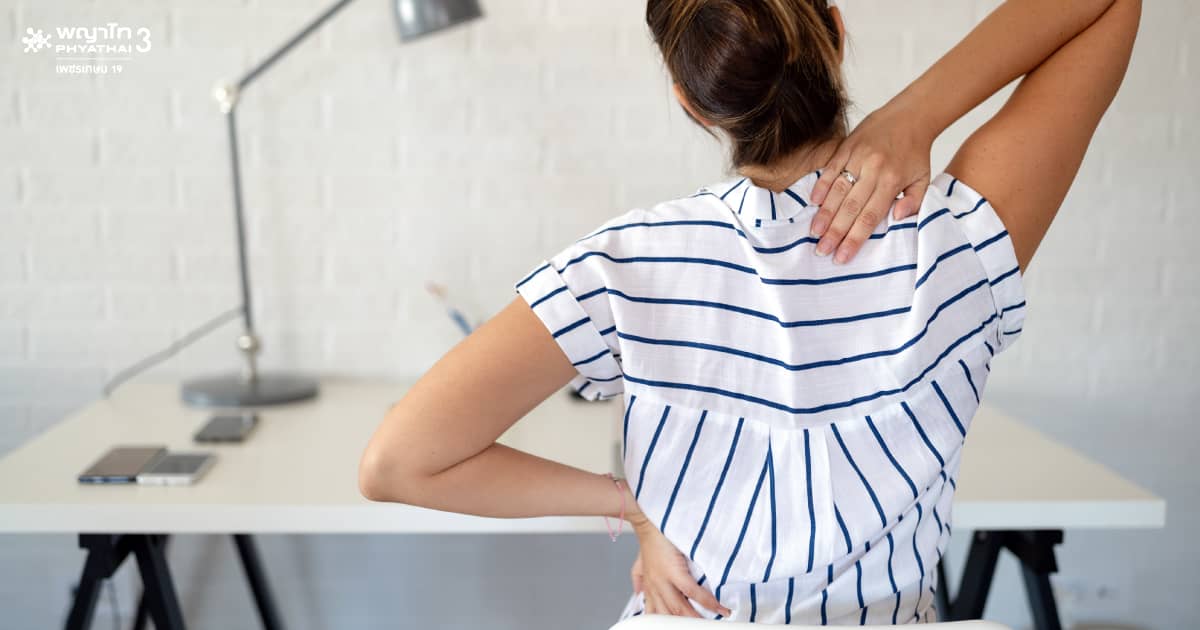
Scoliosis is a condition where the spine is deformed, sometimes in a C shape and sometimes in an S shape (the spine tilts and rotates), resulting in chronic pain.
(The spine tilts and rotates) causing chronic pain.
Causes of Scoliosis
Causes can be congenital or result from improper behaviors such as slouching while sitting, sitting with a tilted posture, standing with uneven weight distribution on both legs, frequently resting on one leg, or shifting weight excessively to one side.
How to Recognize Scoliosis
You can observe it yourself, such as checking if the level of both shoulders is even or not, or observing the spine line to see if one side protrudes while the other side is sunken. You can also check if the hips are twisted to one side. In cases of unexplained chronic back pain, scoliosis may be the cause. A simple self-check method is to clasp your hands together and bend down to touch the floor, then observe if both sides of the back protrude differently. Additionally, scoliosis can be diagnosed through X-ray results or physical examinations, especially by a physical therapist.
How to Treat Scoliosis
Treatment depends on the severity of the curvature. In severe cases, surgery or wearing a spinal brace to adjust the body’s structure may be considered to reduce risks such as nerve root compression. For moderate or mild scoliosis, treatment can involve exercises designed to balance the muscles along the spine.
Physical Therapy as Another Treatment Option
When scoliosis is detected, early physical therapy is another method that helps slow the progression of spinal curvature. Physical therapists will assess and analyze the scoliosis condition and design a suitable physical therapy plan for each individual. In cases of mild scoliosis often caused by daily habits, simple self-physical therapy can be done by adjusting sitting and standing postures and performing basic exercises as follows.
Exercise 1
Use a resistance band about 50 centimeters to 1 meter long. Start by sitting on a chair, holding the band with both hands about one arm’s length apart. Pull to squeeze the shoulder blades together, tighten the abdomen, stretch the body upward, hold for 10 seconds, then slowly release. Repeat 10 times.
Exercise 2
Using the same resistance band held apart similar to exercise 1, raise it above the head, then pull the elbows down toward the back around the middle of the head. Tighten the abdomen, stretch the body upward, hold for 10 seconds, then slowly release. Repeat 10 times.
Exercise 3
Lie flat on your back, tuck the shoulders in, rotate the hands toward the sides of the body, then spread the shoulders out and arch the back upward. This exercise increases flexibility of the back muscles. Repeat 20 times.
Exercise 4
Lie flat on your back with knees bent. Then increase lumbar spine movement by arching the lower back upward and pressing it down alternately. This moves the lower spine. Repeat 20 times.
Exercise 5
Lie flat on your back with knees bent. Cross one leg over the other, spread both arms out, then twist the waist toward the crossed leg. Hold for 5 seconds, then switch legs and twist the waist the same way. This exercise helps the spine move in all directions.
Exercise 6
In a crawling position, keep wrists, arms, and shoulders aligned, and knees and hips aligned. Then arch the back down, lift the head up, and arch the back up alternately. Repeat 20 times.
Exercise 7
In a crawling position, keep wrists, arms, and shoulders aligned, and knees and hips aligned. Stretch one arm forward while straightening and kicking the opposite leg up, lifting the arm and leg alternately. Tighten the abdomen and engage the hips together. Hold for 10 seconds to activate muscles on both sides simultaneously. Then do the same with the opposite arm and leg. Repeat 20 times.
However, it is recommended to consult a physical therapist to plan treatment, provide information and education about the anatomy and structure of scoliosis for better understanding, correct posture training, and proper breathing techniques. This allows patients to apply the exercises in daily life and receive a personalized exercise program suitable for their specific type of scoliosis.
..
Rehabilitation and Physical Therapy Center, Phyathai 3 Hospital, 16th Floor
Open daily from 08:00 to 19:00
Phyathai Call Center 1772 or
Tel. 0-2467-1111 ext. 1603 and 1602
