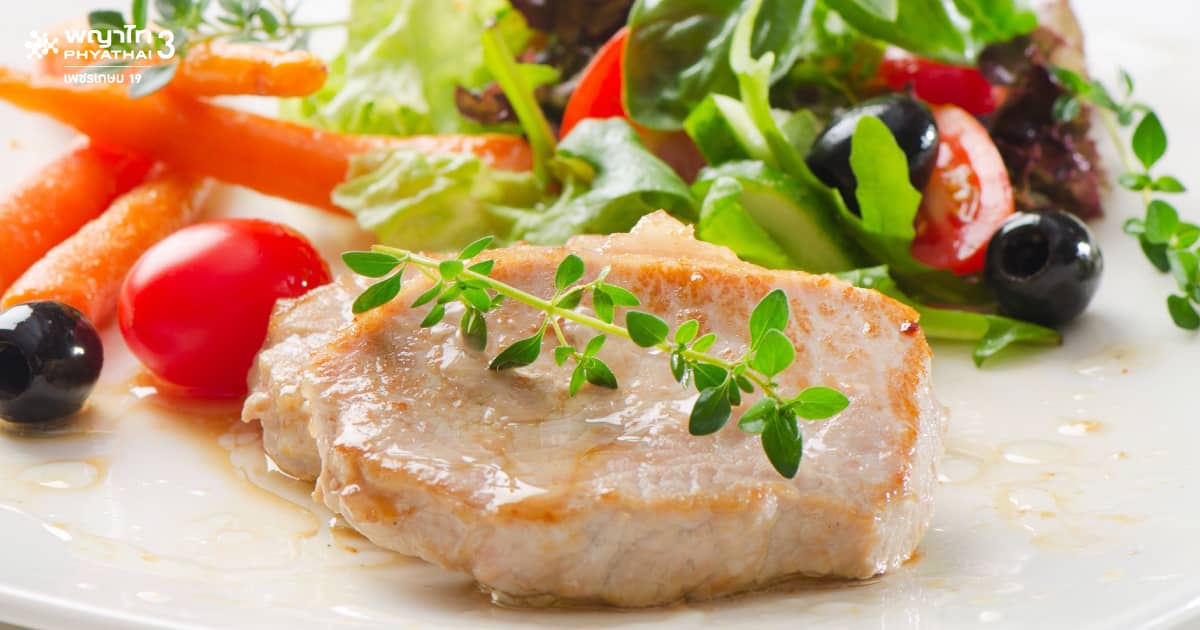
What caregivers should know is that elderly people still require protein nutrients at levels not less than those of young adults and sometimes may even need more.
Elderly people should receive 1-1.2 grams of protein per kilogram of body weight per day to meet their needs (if there are other chronic diseases such as kidney disease or liver disease, a dietitian should be consulted to calculate the appropriate individual protein intake).
Moreover, if an elderly person’s body is stressed, injured, infected, or recovering from surgery, the protein requirement will increase accordingly.
Why is “Protein” Important for the “Elderly”?
Protein is a major nutrient important for the elderly because it helps build strong muscles, tightens muscles to strengthen bones, and improves immune system function.
Getting enough protein helps elderly people have more energy, feel refreshed and lively, and ensures the proper functioning of various body mechanisms since enzymes in the body are all made up of protein.
In addition, protein helps maintain muscle mass, prevent muscle atrophy, and repair worn-out parts of the body. Elderly people who do not get enough protein tend to gain weight more easily than those who consume adequate protein because protein helps stabilize blood sugar levels, reducing hunger and helping control eating and weight.
What Happens if the Elderly Lack Protein?
As mentioned above, protein helps maintain strong muscle mass because the key to body movement is not only bones and joints but also muscles that control body movement, which are equally important.
Therefore, muscle loss with age may cause movement problems, increasing the risk of accidents and injuries. When injured, the body takes longer to recover to normal.
Protein Food Sources Suitable for the Elderly
It is well known that protein is abundant especially in meat, milk, and eggs. However, elderly people often consume less meat due to the tough texture, difficulty chewing, and inconvenience, leading them to avoid eating meat.
Therefore, the chance of elderly people getting enough protein decreases. It is recommended to prepare meat dishes with a soft texture, without too much skin or fat.
– Fish is an excellent protein source suitable for the elderly because it is soft and easy to digest, but all bones and spines should be removed before eating.
– Eggs are another suitable food for the elderly due to their high nutritional value. One egg contains yolk, which is high in iron and can be consumed one egg per day. For elderly people with high blood fat, high blood pressure, diabetes, or cardiovascular disease, consumption should be limited to 3 eggs per week.
– Milk / Soy Milk are high-protein foods and also contain a lot of calcium. Elderly people should drink one glass per day. However, those with high blood fat or overweight are recommended to drink low-fat milk or low-sugar soy milk.
– Grains and dried beans are also high-protein foods, containing various vitamins, fiber, and antioxidants. Caregivers can prepare beans as a substitute for meat in some meals to reduce monotony. Eating the same foods repeatedly can cause loss of appetite and incomplete nutrition.
Precautions for Protein Consumption in the Elderly
Elderly people with high blood fat and high blood pressure should be cautious about consuming protein from high-fat meats such as fatty skin meat, Chinese sausage, and pork sausage. They should also avoid eating large amounts of meat or protein before bedtime as it may cause stomach discomfort and insomnia.
Additionally, excessive protein intake can harm the body by increasing kidney workload. In elderly people, kidney function decreases by more than 50% compared to young adults. However, protein deficiency in the elderly can cause swelling, itchy skin, fatigue, and reduced immunity.
Therefore, the best option is to consume an appropriate amount of protein along with other nutrients in every meal.
Moreover, caregivers should encourage elderly people to engage in regular activities to keep their bodies moving and perform suitable exercises to increase body strength, improve appetite, and help slow muscle atrophy.
