
Tonsil Stones (Tonsillolith, Tonsil stone)
The tonsils are lymph nodes in the throat that function as part of the immune system, capturing and destroying pathogens entering the body through the throat.
There are 3 locations of tonsils
- The tonsils beside the oral cavity are called Palatine tonsils.
- The tonsils at the base of the tongue are called Lingual tonsils.
- The tonsils in the nasopharynx area are called Adenoid tonsils. Normally, tonsils have grooves or crypts where food debris can get stuck. In some cases, calcium deposits may form, creating a calcified mass (Tonsillolith) or stone (Tonsil stone) in the tonsil crypts.
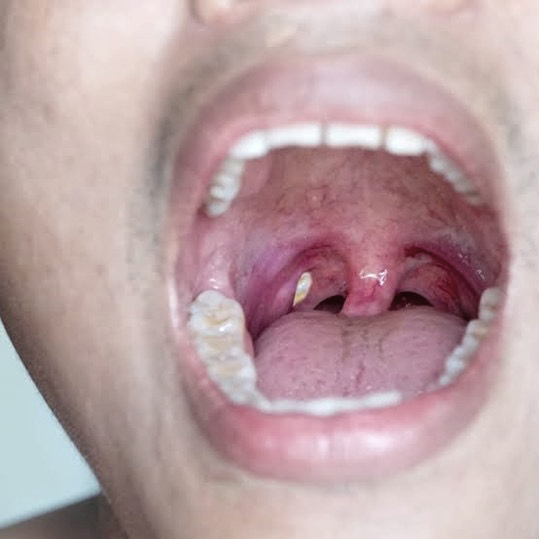
Tonsil stones can cause the following oral symptoms:
- Bad breath
- A constant feeling of something stuck in the throat
- Throat irritation, sore throat, and chronic cough
- Pain radiating to the ear when swallowing saliva
- Frequent tonsillitis due to infection accumulating in the tonsil crypts
Causes of tonsil stones
Studies have found that people with frequent tonsillitis are at higher risk of developing tonsil stones because tonsil infections cause excess tissue growth. This tissue can form lumps and crypts in the tonsils, trapping dead cells and food debris, which then combine with bacteria and fungi that produce foul odors. These substances gradually harden into stones. The causes of tonsil stones include:
- Frequent tonsil inflammation
- Large tonsils or deep crypts
- Inadequate oral hygiene
Treatment has 2 methods:
1. Non-surgical methods include:
- Gargling vigorously to help dislodge tonsil debris
- Using a cotton bud to scrape or press the tonsils to remove debris
- Using fingers inside the mouth to press the tonsils to release debris
- Using a water pick to spray and clean the mouth, teeth, and tongue around the tonsils to help remove debris
2. Surgical method includes:
Tonsillectomy is a definitive treatment, usually performed when non-surgical methods fail. It involves removing the tonsil tissue to reduce stone formation. This procedure requires general anesthesia, and patients may experience difficulty swallowing and sore throat for about 7-14 days post-surgery. Recovery time varies depending on the surgical tools used.
Tonsil stones, a cause of bad breath that many may not realize, can be completely cured using Ultrasonic (Harmonic scalpel)
Medical technology has advanced significantly. Today, Dr. Uthai Prapamonthon, a specialist in head, neck, trachea, and larynx surgery at the Ear, Nose, and Throat Center, Phyathai 3 Hospital, introduces a technique to completely remove tonsil stones using Ultrasonic waves, a high-frequency radio wave method for tonsil surgery (Radiofrequency tonsillectomy).
Check list! Besides tonsil stone removal, Ultrasonic, Harmonic scalpel tonsillectomy is also used in cases where patients have the following conditions:
- Chronic recurrent tonsillitis (7 times/year or 5 times/year for 2 consecutive years, or 3 times/year for 3 consecutive years)
- Peritonsillar abscess after treatment, surgery is performed about 1-2 months after abscess resolution
- Suspected tonsil cancer
- Very large tonsils causing airway obstruction or snoring
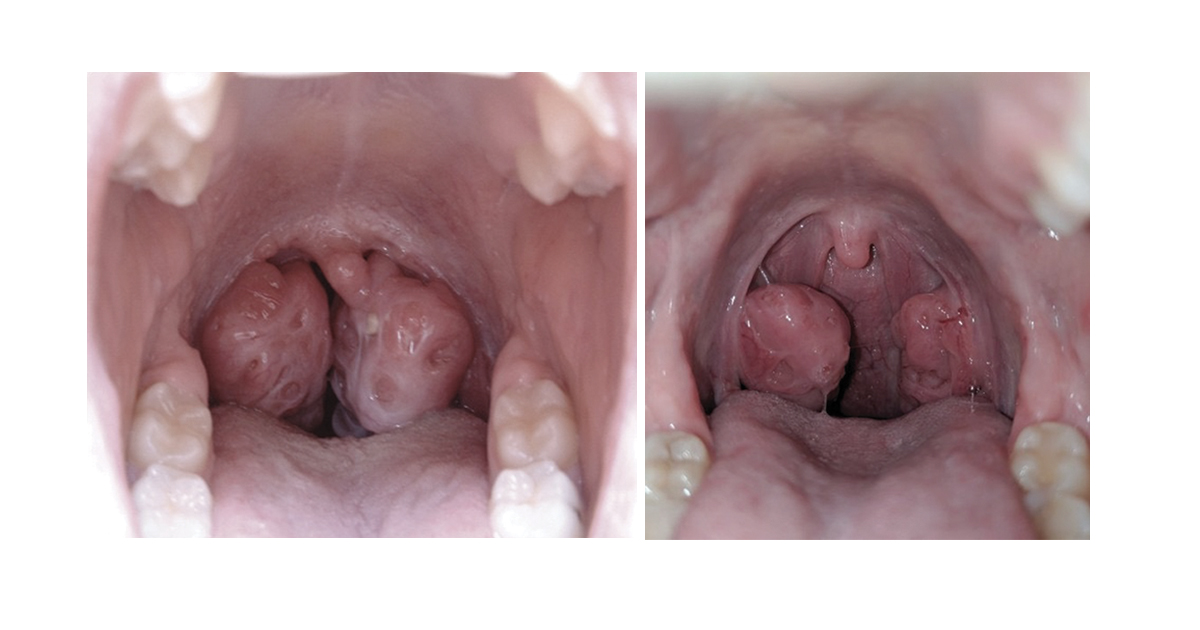
Ultrasonic, Harmonic scalpel
Dr. Uthai explains that this innovation uses high-frequency energy to vibrate the tip of the instrument at 55,000 Hz. This creates intracellular pressure, causing intracellular cavities to expand until the tissue separates.
Additionally, the instrument tip generates low heat, about 40-60 degrees Celsius, minimizing tissue damage during tonsil cutting. The heat also causes protein coagulation in the tissue, reducing bleeding during surgery. This tool can seal blood vessels up to 6 mm in diameter.
In summary, the Ultrasonic, Harmonic scalpel reduces tissue damage at the surgical site compared to traditional surgery and provides effective hemostasis during the procedure.
Advantages of tonsil stone and tonsil disease surgery using Ultrasonic, Harmonic scalpel include:
- The surgery takes a short time, about 15-20 minutes, reducing anesthesia duration and increasing surgical safety
- The instrument can cut tissue and stop bleeding simultaneously, resulting in minimal blood loss, generally about 1-2 cc
- No need for sutures during surgery, reducing throat irritation post-operation
- Less postoperative pain compared to other methods, especially during 3-7 days after surgery
- Shorter hospital stay, usually about 1 day post-surgery before discharge
Does removing the tonsils cause frequent illness and sore throat????
Enlarged or frequently inflamed tonsil tissue is replaced by scar tissue following infection, reducing the tonsils’ ability to trap pathogens and instead becoming a reservoir for bacteria. However, the body has many other lymph nodes in the neck that produce immunity and trap pathogens. Therefore, tonsillectomy does not lower immunity; on the contrary, it reduces the frequency of illness and sore throat or speeds up recovery if illness occurs.
In summary, the belief that tonsil removal causes frequent illness due to lack of pathogen trapping is incorrect.
