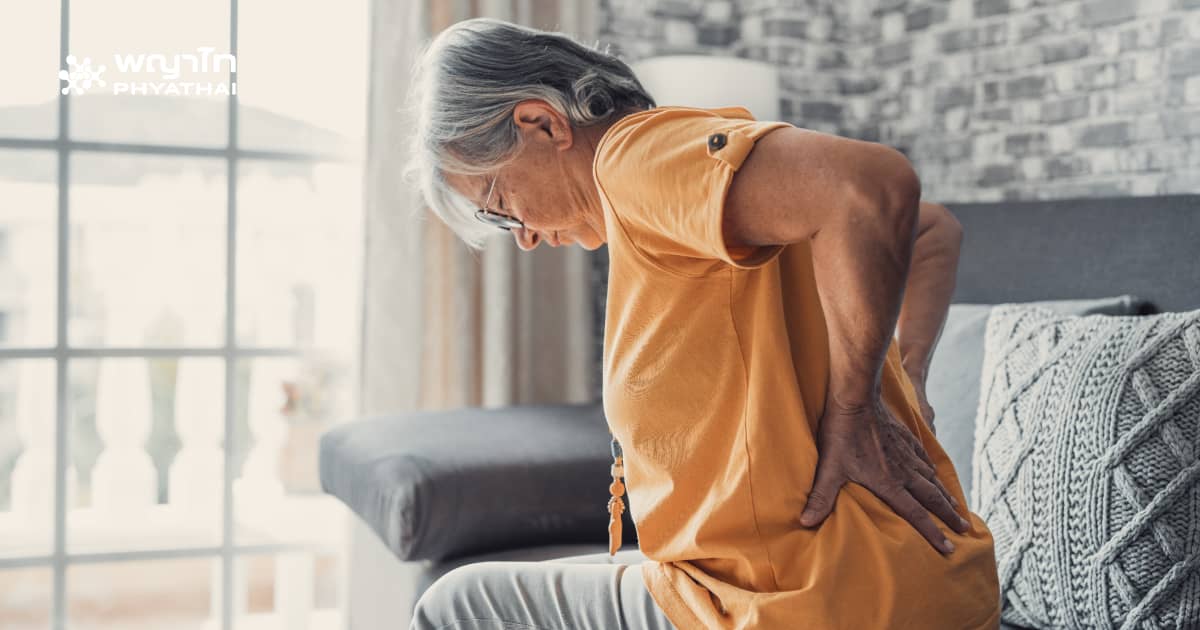
“Osteoporosis” A Disease to Watch Out For Because Anyone Can Get It
Many people believe that “osteoporosis” is a disease that only affects the elderly. However, osteoporosis can occur in people of all genders and ages. The main cause is the loss of bone mass, which reduces the bone’s ability to bear weight, making bones brittle and prone to fractures.
Osteoporosis and Its Severe Impacts
Osteoporosis is a condition where the body’s bone density and mass decrease, causing bones to deteriorate, become fragile, deformed, and more likely to break. If it occurs in the spine, it can also lead to a reduction in height.
Additionally, a major concern is the increased risk of fractures due to osteoporosis, as bones can no longer withstand weight, impact, or pressure as well as before. Common fracture sites include the hip, wrist, and spine. Particularly, spinal fractures can cause severe consequences, including disability, because this area is the center of nerves controlling movement.
Osteoporosis Symptoms… You Need to Observe to Know
Many patients are unaware they have osteoporosis because the disease often shows no warning signs. Most find out only after an accident leads to a fracture. Therefore, everyone should regularly observe themselves for the following symptoms to seek timely treatment:
- Chronic back pain
- Stooped posture or curvature of the upper spine
- Loss of height
- Fractures in the wrist, arm, hip, and spine occurring easily even with minor impacts
Main Causes of “Osteoporosis”
Bones consist of osteoblasts and osteoclasts, which have different functions. Osteoblasts build new bone from calcium and protein during the body’s growth process and help replace worn-out bone. Meanwhile, osteoclasts break down old bone tissue.
When the calcium level in the body is insufficient for bone formation, or there is an imbalance in the activity of bone cells, bone breakdown exceeds bone formation, leading to osteoporosis.
Risk Factors That Increase the Chance of “Osteoporosis”
Besides abnormalities in bone cells, several other factors increase the risk of osteoporosis:
- Age: As age increases, the body’s growth process slows down, and bone replacement also slows. Bone mass becomes fragile and prone to fractures even with minor impacts. A lack of sufficient calcium for bone formation increases the risk of osteoporosis.
- Gender: This disease is more common in women than men because estrogen levels drop after menopause, leading to bone loss. Men are at risk when testosterone production decreases.
- Genetics: A family history of osteoporosis increases the risk compared to the general population.
- Abnormalities in the function of glands and organs: Such as the thyroid gland, parathyroid gland, adrenal glands, kidneys, and liver.
- Diseases and illnesses: Such as autoimmune diseases, rheumatoid arthritis, and bone cancer.
- Diet: Consuming insufficient calcium for bone formation and growth or eating foods that disrupt calcium balance, such as high-acid animal protein foods, as well as regularly drinking large amounts of soda, coffee, or alcoholic beverages.
- Medication use: Such as steroids and certain anticonvulsants. If long-term use is necessary, always consult a doctor.
Complications That May Follow Osteoporosis
Complications associated with osteoporosis are concerning because when a patient has osteoporosis, it results in:
- A high chance of bone fractures even with minor impacts
- Pain, difficulty moving, and increased limitations in daily activities, which can lead to depression
- Patients who cannot walk or move easily may develop pressure ulcers or urinary tract infections, which are severe complications that can be fatal
Osteoporosis Diagnosis… Early Detection Leads to Treatment
Osteoporosis can affect anyone. Early detection and prompt treatment can improve the patient’s quality of life.
Diagnosis is effectively done through radiological examination, which assesses bone mineral density, allowing doctors to plan treatment from the early stages of the disease. The test is quick, painless, and involves low radiation exposure.
The test measures Bone Mineral Density (BMD). Normal bone density is greater than -1.0. Those with osteopenia have BMD between -1.0 and -2.5, and osteoporosis patients have BMD less than -2.5.
Treatment Methods for “Osteoporosis”
Many factors cause osteoporosis, but the key factor is abnormal bone cell function. Therefore, treatment principles focus on stimulating osteoblast activity and reducing osteoclast activity. This can be done through medication, injections, and hormone therapy, depending on the doctor’s judgment for each case.
Hormone Therapy for Osteoporosis
For postmenopausal women or women who have had their uterus and ovaries removed, resulting in the body’s inability to produce estrogen beneficial for bone formation, doctors will provide hormone replacement therapy.
Osteoporosis Can Be Prevented
We can all reduce the risk of osteoporosis by taking care of our health and nourishing our bones through various methods, such as:
- Eating foods high in calcium, such as milk, tofu, small shrimp, small fish, various nuts, and green leafy vegetables, as well as foods rich in vitamin D, such as liver, egg yolks, milk, meat, mackerel, pumpkin, and shiitake mushrooms.
- Quitting smoking
- Avoiding alcohol, soda, tea, coffee, or beverages high in caffeine and acidity
- Exercising regularly
- Maintaining a healthy body weight
- Being cautious with medication use, especially long-term steroid use; consult a doctor if necessary
Although everyone has a chance of developing osteoporosis, if we are ready to change our behavior and pay more attention to our health by undergoing bone density screening in detail, it will reduce the risk of the disease. Don’t let the pain and complications from osteoporosis and bone degeneration diminish your quality of life… Believe that “prevention” is always better than “treatment”.
Dr. Kobsak Udomdej
Orthopedic Surgery Specialist
Muscle, Bone, and Joint Center Phyathai Nawamin Hospital
