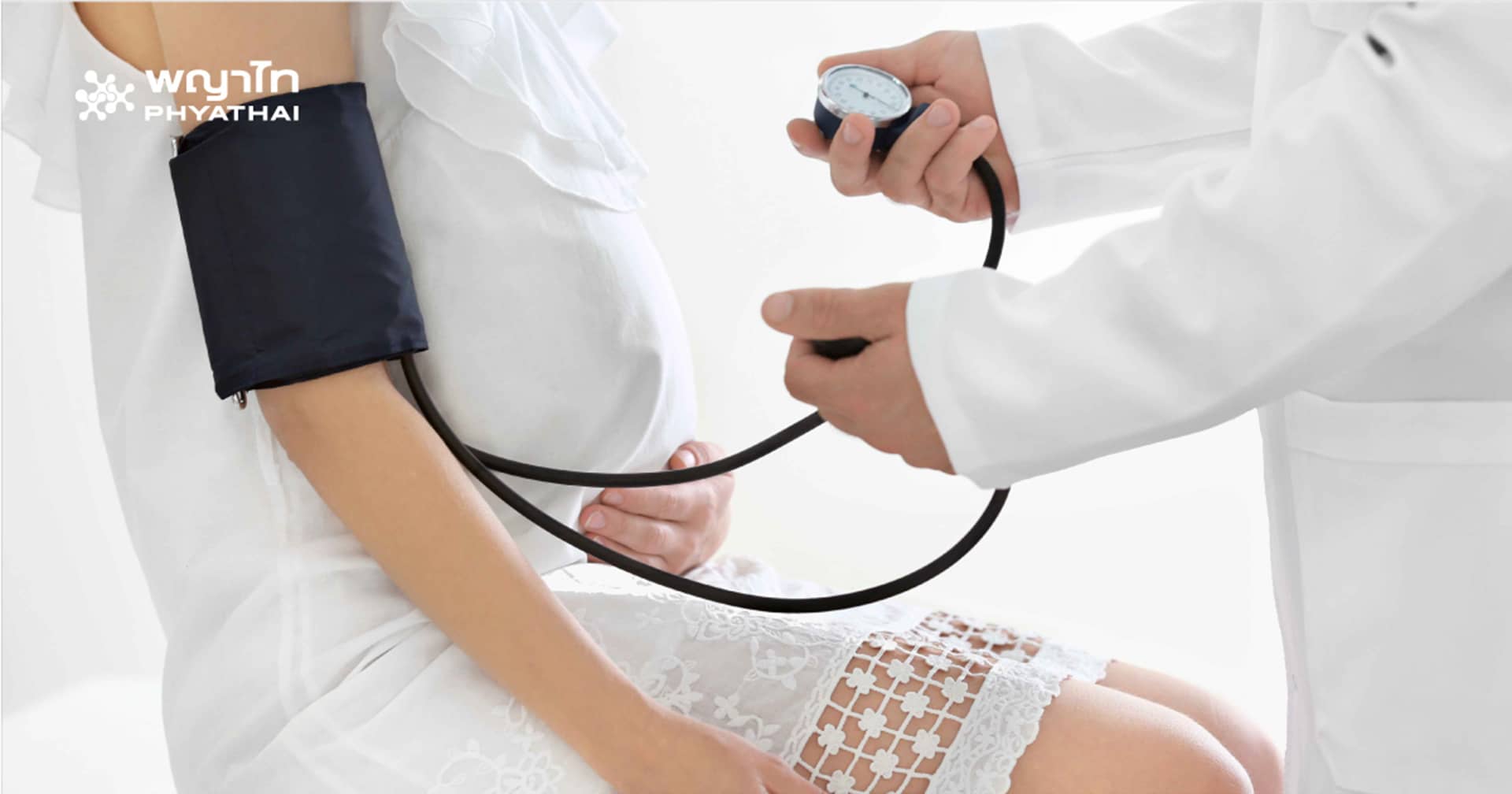
In our bodies, blood pressure pushes blood to various organs. Normal blood pressure is typically between 120/80 and 139/89 mmHg. If someone has a blood pressure reading higher than 140/90 mmHg, it is considered hypertension. Low blood pressure, on the other hand, is around 100/60 mmHg.
For pregnant women, physiological changes occur to improve blood flow to the fetus. This often results in lower blood pressure during early pregnancy, which may increase slightly in the mid to late stages of pregnancy.
Symptoms:
- Low blood pressure: Symptoms include dizziness, fainting, and extreme fatigue.
- High blood pressure: Symptoms include headaches, blurred vision, and swelling in the body.
Pregnant women may experience both low and high blood pressure. Low blood pressure is common in early pregnancy, especially in women experiencing severe morning sickness or difficulty eating. If a woman feels extremely weak, dizzy, or faint, rest is recommended, and if necessary, she should receive intravenous fluids at a hospital.
High blood pressure during pregnancy: Women with pre-existing hypertension or those who develop high blood pressure during pregnancy may be at risk of preeclampsia, a serious condition that can lead to complications for both the mother and baby. Hypertension during pregnancy is a common complication and one of the leading causes of maternal mortality, with over 50,000 cases reported annually.
Risk factors: Factors contributing to high blood pressure during pregnancy include obesity, advanced maternal age, and underlying conditions such as kidney disease or diabetes. High blood pressure increases the risk of preeclampsia, leading to complications for both mother and child. In Thailand, about 1-3% of pregnant women develop hypertension, translating to over 10,000 cases each year.
Management: Women with known hypertension should plan their pregnancies carefully:
- Control blood pressure effectively.
- Consult a doctor about pregnancy plans, as some blood pressure medications can affect fetal development. Medication adjustments may be necessary before and during pregnancy.
- A diet rich in potassium and magnesium, found in fresh fruits and vegetables like bananas, potatoes, and leafy greens, can help prevent hypertension.
- For pregnant women with hypertension, exercise such as yoga, swimming, meditation, and adequate rest are recommended.
