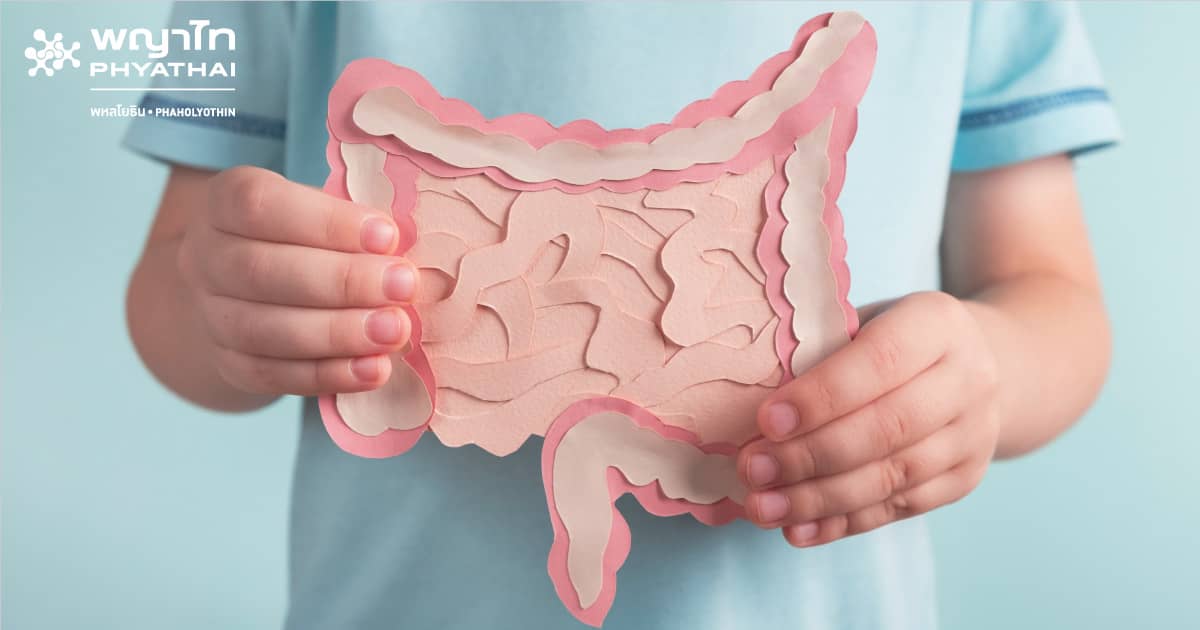
What is Inflamed Polyps in the Colon?
Many people have polyps in the colon, which protrude from the tissue in delicate areas. When there are multiple polyps in the colon, it is called Diverticulosis. This condition is more common in the elderly, and if an infection and inflammation occur in the polyps, it is called Diverticulitis of the colon.
Symptoms of the Disease
Polyps at the end of the colon are not harmful to the body and do not cause any abnormal symptoms. Symptoms such as constipation, gas in the stomach, abdominal cramps, or irritable bowel syndrome (IBS) are not caused by polyps at the end of the colon. If inflammation occurs, symptoms include abdominal pain, commonly in the lower left abdomen, fever, nausea, vomiting, chills, cramping abdominal pain, and constipation. The severity of the disease depends on the severity of the infection and any complications that follow.
Causes of the Disease
There is no proven cause of polyps, but it is suspected to be due to low dietary fiber intake, especially in populations in developed industrial countries such as the United States, the United Kingdom, and Australia. This condition is rarely found in Asia and Africa, where people consume high-fiber fruits and vegetables. Constipation causes cramping in the colon, which may be a major cause of the delicate tissue bulging out to form polyps. The cause of infection and inflammation may be due to bacteria in the colon.
Treatment
Treatment involves intravenous antibiotics to relieve inflammation. However, if symptoms are severe, surgery may be required to remove the inflamed section.
Prevention
Whether you have polyps or not, you should regularly eat a high-fiber diet. The appropriate amount is 20-35 grams per day to help facilitate bowel movements and prevent colon irritation from constipation.
