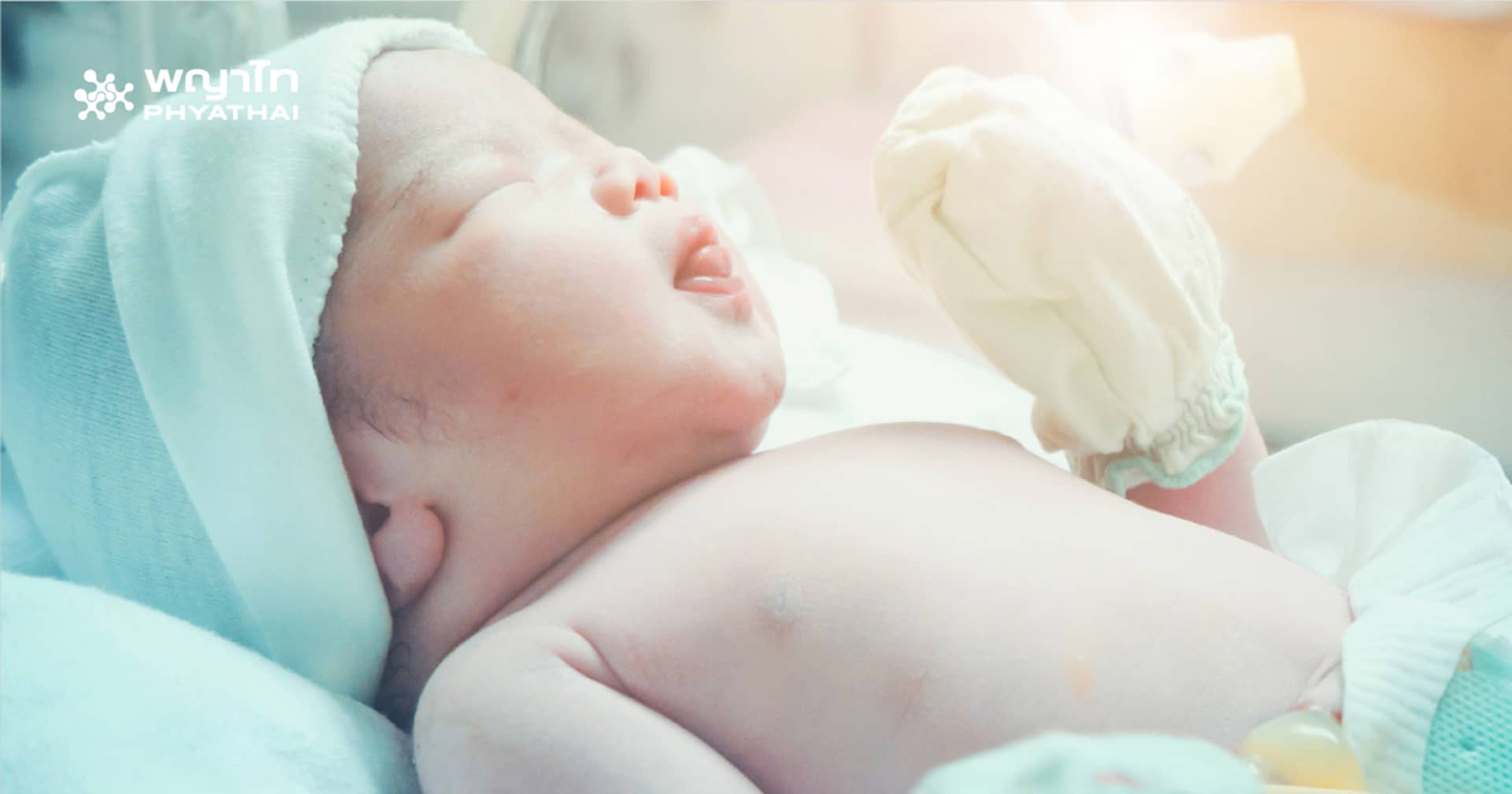
Health issues in newborns are something no one hopes for, but when they occur, it is crucial that the infant receives timely care. Common conditions that can lead to critical situations in newborns include:
- Respiratory problems such as postnatal distress
- Premature birth and low birth weight
- Preterm twin pregnancies
- Congenital heart defects
- Hypoglycemia (low blood sugar)
The Neonatal Intensive Care Unit (NICU) is a specialized unit for critically ill newborns, akin to an ICU for infants. It is staffed by a team of neonatologists and perinatal specialists, equipped with advanced technology, monitoring systems, and respiratory support equipment, ensuring 24-hour care for at-risk newborns.
The NICU team begins by assessing the risks before birth to identify which infants are likely to face complications. This team, trained specifically in neonatal critical care, plans for potential scenarios, prepares necessary equipment, and closely monitors the infants after birth. Swift and appropriate care is crucial as conditions in critically ill newborns can change rapidly.
In addition to medical care, the NICU team works closely with specialists from various fields, as well as the parents, to ensure that once the newborns are stable and strong, they can be safely discharged. Parents are also guided on how to care for their babies, including breastfeeding, handling, administering medication, and understanding infant behavior to ensure proper growth and development.
The NICU team includes:
- Obstetricians specializing in maternal-fetal medicine
- Neonatologists who manage abnormal conditions in newborns
- Nurses trained in prenatal, labor, and postnatal care
- Nurses specialized in cesarean section care
- Nurses specialized in critical newborn care
- Maternal coordinators
- Lactation consultants
